-

What makes Aloe nobilis so unique? Let us explain in detail
Aloe nobilis belongs to the Liliaceae family, genus Aloe. It has an elegant, compact form and pleasant green leaves, making it a fine choice among ornamental aloes. It is suitable for small to medium-sized potted plants, accenting windowsills, shelves, desks and other spots with fresh elegance and distinctive charm.
-

This kind of meat ruins your stomach and intestines and makes you prone to illness - your fridge might have some right now
This is no alarmist talk - your fridge really might be hiding "zombie meat." Dig through your fridge - how long has it been since you cleaned out the freezer? For many families, there is often chicken, fish, pork and other meat that gets forgotten in a corner of the fridge, only noticed after a year or so.
-
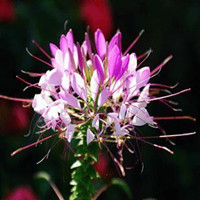
What makes the Cleome unique? An analysis of its distinctive features
Cleome (Cleome hassleriana), a biennial or annual herbaceous plant of the genus Cleome in the family Cleomaceae. The flowering stems are erect, and the plant grows 40 cm-60 cm tall. There are no wild populations in China, and it is commonly cultivated in major cities. Native to tropical America, it is cultivated from the tropics to temperate regions worldwide for ornamental purposes, and it is also an excellent nectar plant.
-
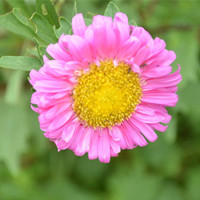
What makes the China aster so special? A detailed look at the China aster's characteristics
The China aster has vivid flower colors, diverse flower forms, abundant blooms, and a long flowering period. It is an ornamental plant highly valued by the horticultural world both at home and abroad. Let's get to know it together, and perhaps you will fall in love with it too.
-
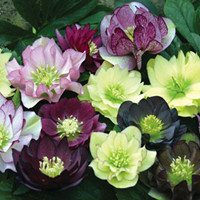
What makes hellebores so special? A detailed guide
Hellebore is a perennial evergreen herbaceous plant in the buttercup family (Ranunculaceae), about 30 cm tall. It blooms from March to April. It is found in both China and Europe.
-
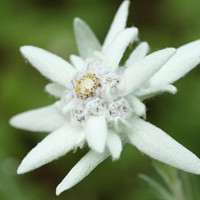
What makes edelweiss so special? These traits set it apart
Edelweiss, also known as fireweed leontopodium or snow-cover grass, is a perennial herbaceous alpine plant in the genus Leontopodium of the Asteraceae family. Edelweiss is native to the high-altitude regions of Europe. It is one of the famous alpine flowers and is hailed as the signature flower of the Alps.
-

Don't throw away the waste oil from your range hood - after fermenting it makes an especially good flower fertilizer
Every household has a range hood, and after it has been used for a long time it accumulates a lot of waste oil. Before I knew it could be used as flower fertilizer, I always poured it straight down the toilet - what a waste... Range hood waste oil Range hood waste oil Turning waste into treasure tip...
-
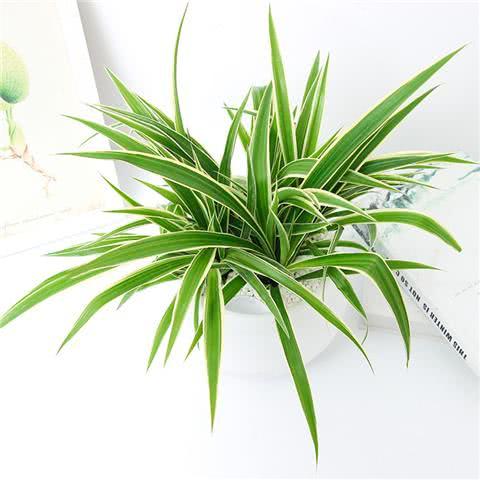
Spider Plant and Clivia Root Rot About to Die, This Rescue Method Makes Big White Roots Grow Like Crazy
Root rot is a common problem for plants, so how should you deal with it? Below we introduce rescue methods for spider plant and clivia root rot! What to do when a spider plant gets root rot? (1). When signs of root rot appear in a spider plant, promptly place it in a ventilated, bright spot with indirect light...
-
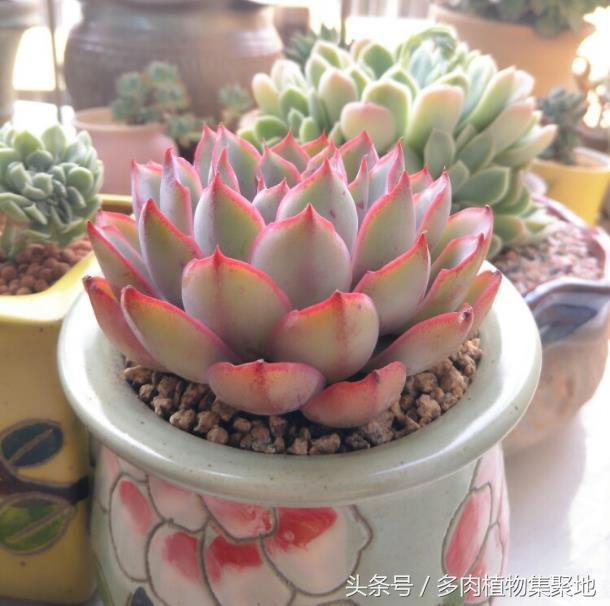
Watering succulents with beer added makes them grow fast, with plump, translucent leaves
Don't just pour leftover beer down the drain, because beer is an excellent fertilizer for flowers. If you have foliage plants at home, dip absorbent cotton or a clean, soft cloth in beer and gently wipe the leaves. Don't press too hard when wiping, to avoid damaging...
-
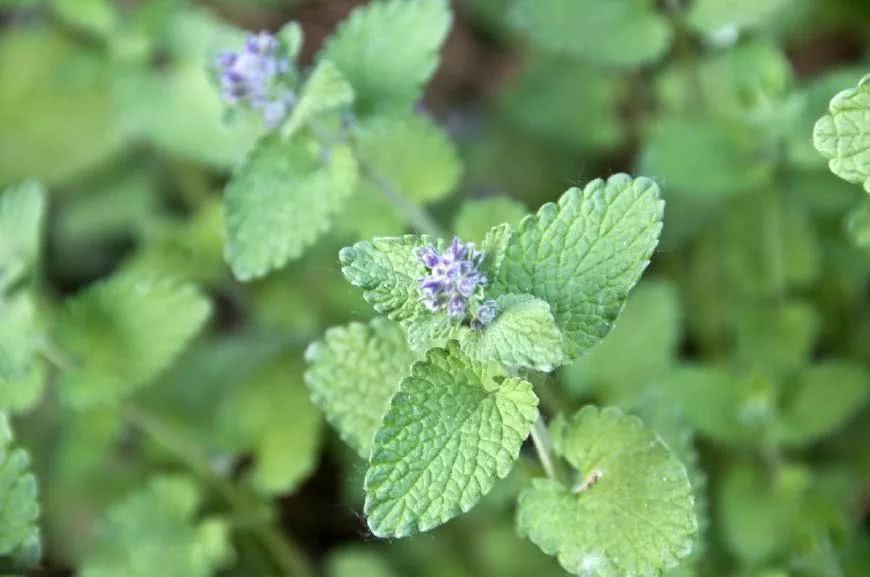
A wild grass that smells of camphor makes cats hallucinate when they sniff it; a rare find in the city at 10 yuan a pot
Warm reminder: Hemu Report aims to share and popularize information about various plants and their uses, for reference only. If medicinal use is needed, it is recommended to consult a professional physician to avoid problems! In rural areas there are many plants that give off all kinds of scents, such as lemongrass, ageratum...
条件筛选