A wild grass that smells of camphor makes cats hallucinate when they sniff it; a rare find in the city at 10 yuan a pot
Warm reminder
Hemu Report aims to share and popularize information about various plants and their uses, for reference only. If medicinal use is needed, it is recommended to consult a professional physician to avoid problems!
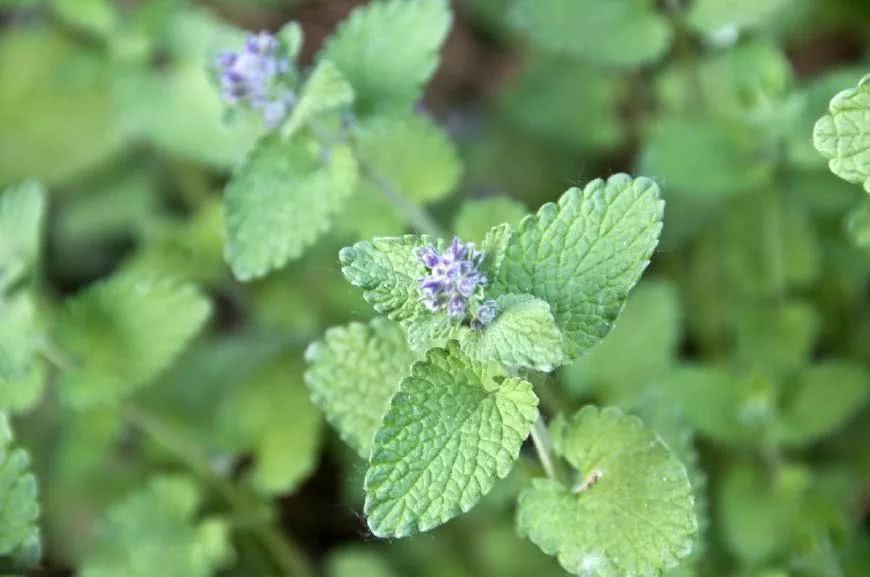
In rural areas there are many plants that give off all kinds of scents, such as lemongrass, ageratum and mint, all of them familiar fragrant plants. Today we are talking about a wild grass that gives off a camphor smell; farmers call it "camphor grass". For people this grass is at most an ornamental plant, and in farmers' eyes it is a useless weed, but it is the plant cats love most, because it contains a substance that makes cats hallucinate when they sniff it and feel extremely happy, and it is hugely popular in the city.
Camphor grass is commonly known as "catnip". Its leaves look very similar to ordinary mint, and it smells of cool camphor. This scent contains a substance called "nepetalactone", which can stimulate a cat's brain nerves and regulate its mood. So after sniffing it, cats have all kinds of hallucinations, such as chasing imaginary mice, rubbing and rolling on the ground, making all sorts of strange cries, and generally acting very happy. People who keep cats love to use it to tease them. Because cats usually act so aloof, it is rare to see them this happy, so camphor grass is very popular.
Camphor grass was once an "internet-famous" plant. A netizen said they planted a row of camphor grass in the yard, and when they opened the door in the morning they found dozens of cats lying outside; the scene was spectacular. However, research shows that camphor grass is not attractive to all cats: cats under 2 months old are not interested in camphor grass, and among cats over 6 months old, only about 50% can be attracted by it. It is said that camphor grass also works on other felids; in the past, animal trainers used camphor grass to train tigers and cheetahs, making these fierce beasts become docile and obedient to human commands.
Although camphor grass has a "hallucinogenic" effect on cats, it does not make them addicted, because this pleasant hallucination lasts only about 15 minutes, and no more than 1 hour at most. If a cat comes into frequent contact with camphor grass, it will lose its sensitivity to it and will no longer be interested in the plant. Research abroad shows that camphor grass is non-toxic and only has an excitatory effect on a cat's brain; abroad it is often used to help soothe cats' emotions and correct their behaviour.
Many people in the city love keeping cats, and some even call them "cat masters" while calling themselves "cat slaves". To make their masters happy, cat slaves will try every possible way. This camphor grass that can make cats happy is a rare find in the city and can sell for 10 yuan a pot, which is much cheaper than cat food. Cat slaves often buy it to let their cat masters sniff or eat, and seeing the cat happy makes them happy too. Dear readers, have you ever seen camphor grass?
Text/Hemu Report, images/Internet
If you like Hemu's articles, you are welcome to follow