Spider Plant and Clivia Root Rot About to Die, This Rescue Method Makes Big White Roots Grow Like Crazy
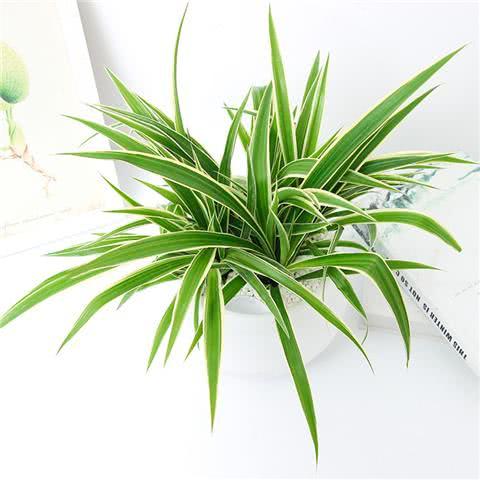
Root rot is a common problem for plants, so how should you deal with it? Below we introduce rescue methods for spider plant and clivia root rot!
What to do when a spider plant gets root rot?
(1). When signs of root rot appear in a spider plant, promptly place it in a ventilated, bright spot with indirect light, giving it 2 hours of indirect light each day, and slowly wait for the root rot to improve.
(2). In severe cases of root rot in soil-grown spider plants, take the plant out of its pot, wash the roots clean, remove the rotted root parts, then disinfect them, leave them in a cool place to let the wounds dry, and repot them.
(5). For root rot in water-grown spider plants, change the water promptly, disinfect and rinse the container, and clean the plant's roots. Then replant in water, do not fertilize for 1 month, and after 1 month has passed, apply an appropriate amount of nutrient solution.
What to do when a clivia gets root rot?
(1). Take out the clivia plant with rotted roots, gently remove the soil, wash the roots clean with water, and use disinfected scissors to cut off the rotted root system.
(2). Soak the treated roots in 0.1% potassium permanganate for 5 minutes, then apply a little carbendazim to the roots.
(3). Leave in a cool place to dry for 1-2 days, then plant in coarse river sand; generally new roots appear in 15-50 days.
(4). If the root system has completely rotted, clean off all the rotted roots, disinfect them, then insert them into plain sand to encourage sprouting, and they will re-root in about 2 months.