What makes the Cleome unique? An analysis of its distinctive features
Other names for Cleome
Western spider flower, swallowtail flower, purple dragon whiskers, spider flower
Morphological characteristics of Cleome
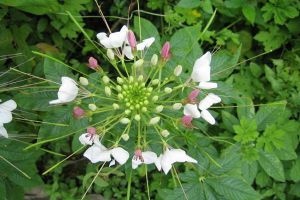
Cleome is a robust annual herbaceous plant, 1-1.5 m tall, with the whole plant covered in sticky glandular hairs, having a distinctive foul odor, and bearing stipular spines up to 4 mm long, sharp and curved outward.
Cleome blooms from June to September. Its flowering stems are long and sturdy, and when the flowers are in full bloom, the raceme forms a plump ball of flowers, with each small blossom resembling a dancing butterfly, extremely beautiful.
Growth habits of Cleome
It has strong adaptability. It prefers high temperatures, tolerates summer heat relatively well, and dislikes cold. It favors sunny locations, though it can also grow well in semi-shaded spots. It is not demanding about soil; in fertile ground with ample water and nutrients, the plants grow tall; in ordinary soil of medium fertility, it also grows well; it grows poorly in sandy loam, somewhat heavy clay soil, or alkaline soil. It likes moist soil and is also fairly drought-tolerant, but dislikes waterlogging.
Main uses of Cleome
Landscaping: The petals of Cleome are light and graceful, and when in full bloom they seem to flutter like butterflies, quite intriguing. It can be used to arrange flower beds and flower borders in summer and autumn, and can also be grown as a dwarfed potted plant for ornamental display. In landscaping applications, because of its tolerance for semi-shade, it can be planted under trees or on the shaded side of buildings for viewing.
Economic: Cleome opens in the evening and withers the next day, so it is also called the flower of summer nights; its brief life gives a sense of illusory impermanence. This Cleome is native to the tropical regions of South America and is an excellent pollution-resistant flower, highly resistant to sulfur dioxide and chlorine gas; it can beautify the environment and is an excellent pollution-resistant flower, growing well even in heavily polluted factories and mines. It is also an excellent nectar plant and can be used to extract high-quality essential oil.