What makes hellebores so special? A detailed guide
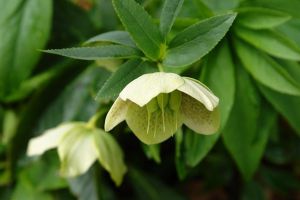
Morphological characteristics of hellebore
Hellebore is a perennial evergreen herbaceous plant with 5 petals, 5 sepals, numerous stamens, and nectar glands. After flowering, the sepals persist and can remain on the plant for several months. It grows about 30 cm tall.
Flower colors also include white, green, purple, and black-purple, and many are speckled or striped; flower forms include single, semi-double, and double; the flowers may be upright or nodding.
Growing habits of hellebore
Hellebore prefers a warm, humid, semi-shaded environment. It is relatively cold-tolerant but dislikes dry cold. It grows best in loose, fertile, well-drained sandy soil.
Distribution range of hellebore
Hellebore is native to western China, and many varieties are native to southern and central Europe. Its distribution stretches from western England, Spain, and Portugal eastward along the northern shore of the Mediterranean, through central Europe and Romania, Ukraine, and the northern coast of Turkey to the Caucasus, with most concentrated in the Balkan Peninsula.