-

How to grow Viburnum macrocephalum? Detailed guide to cultivation methods and precautions
Cultivation methods and precautions for Viburnum macrocephalum
-
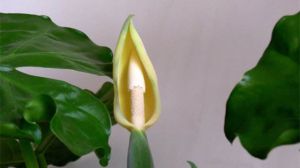
When does Alocasia macrorrhizos (giant taro) usually bloom
Alocasia macrorrhizos blooms in April, but it is difficult for plants grown in northern regions to bloom, while in southern regions it blooms very easily. If it is given a suitable growing environment in normal care, it will bloom; it needs to receive plenty of light, be kept in a growing environment of 20°C, be well protected from the cold when temperatures are too low, and have its soil kept moist with humidity controlled at around 60%.
-
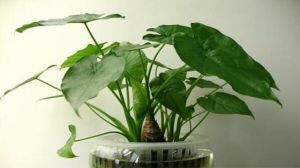
Hydroponic Alocasia macrorrhizos (Giant Taro) cultivation methods and precautions
Hydroponic Alocasia macrorrhizos needs clean water quality with no impurities, and it is best to change the water once a month. In summer, mist water around it appropriately to increase air humidity, and pay attention to the conditions in the container; if the water evaporates, replenish it promptly. In addition, during care it should be placed in bright indirect light, and the temperature should be maintained above 18°C.
-
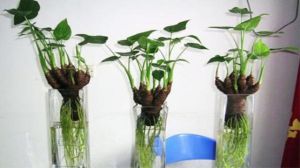
How to grow Alocasia macrorrhizos in water? Teach you the correct cultivation method
To grow Alocasia macrorrhizos in water, you first need to take it out of the pot, cut off all the soil-grown roots and some of the leaves, then wash and disinfect it. After that, place it in the very center of the hydroponic container, fill in with stones, and finally pour some water into the container. Normally, it needs to be kept in a semi-shaded environment with relatively high humidity and temperatures above 18°C.
-
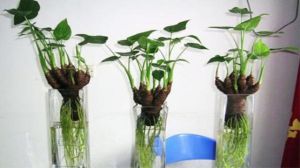
Can Alocasia macrorrhizos be grown hydroponically? Hydroponic methods and care tips
Alocasia macrorrhizos can be grown hydroponically, and compared with soil-grown plants, hydroponically grown plants are even more beautiful. The hydroponic method is to take the soil-grown plant out of its pot, prune and disinfect it, then place it into a hydroponic container, and finally add some stones and pour in water. During care, it needs to be placed in a warm spot without direct sunlight.
-
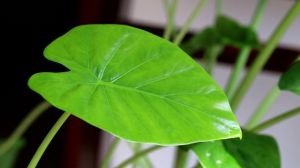
What are the benefits of keeping Alocasia macrorrhizos (giant taro) at home?
Purifying the air: Alocasia macrorrhizos can absorb CO2 from the air and release O2, and it can also absorb some tiny harmful substances floating in the air, thereby purifying the air. Beautifying the home: it is highly ornamental, and keeping it at home can beautify the home. Attracting wealth and warding off misfortune: placing it in the wealth position can exert a wealth-attracting effect.
-
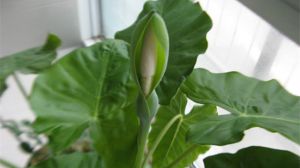
How often does Alocasia macrorrhizos bloom? A detailed explanation of its flowering cycle
A well-cared-for Alocasia macrorrhizos blooms every year, but it rarely blooms when kept in northern regions, and its flowering period is very short, usually around one week. When it blooms, it produces a white flower spike that looks as if Guanyin has appeared, which carries an auspicious meaning and is a good omen. If you do not want it to bloom, simply prune it off while it is still a bud.
-
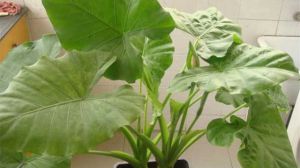
What are the reasons why Alocasia macrorrhizos does not bloom?
There are many reasons why Alocasia macrorrhizos does not bloom: if it is caused by insufficient light over a long period, it needs to be given plenty of sunlight, but it must not be exposed to harsh sun. If it is caused by too much watering, watering should be controlled appropriately, and you can mist it more often to supplement moisture. If it is caused by a large amount of nitrogen fertilizer, stop applying nitrogen fertilizer and apply more phosphorus and potassium fertilizer instead.
-

How to Grow Atractylodes macrocephala for High Yield? A Detailed Guide to Cultivation Techniques
High-Yield Cultivation Techniques for Atractylodes macrocephala
-

Atractylodes macrocephala seed prices and a detailed guide to growing methods
Atractylodes macrocephala seed prices and growing methods
条件筛选