Hydroponic Alocasia macrorrhizos (Giant Taro) cultivation methods and precautions
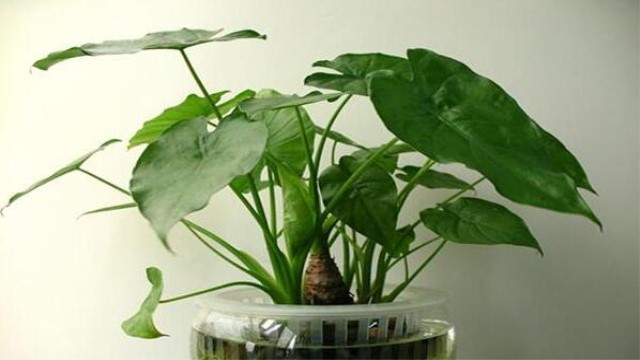
1. Water quality
If you want hydroponically grown Alocasia macrorrhizos to grow well, the most important thing is to provide it with good water quality. The water needs to remain clean at all times, with no debris floating in it, otherwise it may affect the plant's root system and hinder its growth.
2. Misting
It likes relatively moist growing conditions. In summer, when the air is relatively dry, it is best to frequently spray some water mist around it to keep the air humidity above 60%, which is very beneficial to its growth.
3. Changing the water
For plants that have just started hydroponic cultivation, it is best to change the water once every 2-3 days. After they gradually adapt to hydroponic growing conditions, the water can be changed once a month. In addition, some nutrient solution needs to be applied to add nutrients; for the specific method of use, refer to the instructions.
4. Replenishing water
In summer, water evaporates quickly. At this time, you need to observe the conditions inside the container and promptly replenish the evaporated water to prevent too little water in the container from adversely affecting it.
5. Temperature
Normally, the temperature needs to be maintained above 18°C so that it can grow. If the temperature is below 18°C, it will stop growing and enter a dormant state.
6. Light
It is a shade-loving plant and cannot tolerate direct sunlight, especially in summer. You must shade it or place it somewhere out of direct sunlight.