What to do when the leaves of the Buddhist pine (Podocarpus macrophyllus) wither? Use this little method and new leaves will sprout in half a month
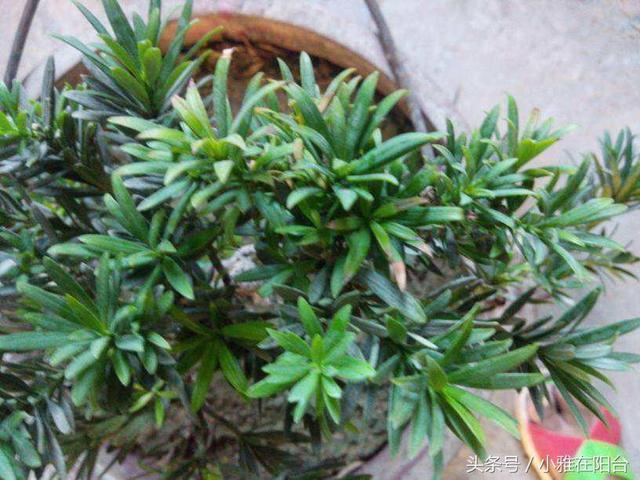
If you have a spacious balcony or a small yard, keeping a few pots of bonsai plants and flowers is quite pleasing to the eye, and a life of tending flowers and plants is full of joy. Buddhist pine (Podocarpus macrophyllus) is a bonsai plant we often grow; its branches stand upright and it is verdant and beautiful, loved by many gardening enthusiasts. But some friends, in the process of caring for Buddhist pine, encounter leaves withering and turning yellow. What exactly is going on, and how should it be handled? How should Buddhist pine be grown so it stays verdant and lush?
What to do when the leaves of Buddhist pine wither? Try this little method, and in half a month new leaves will sprout, with luxuriant branches and leaves!
Little tips for dealing with dried-out leaves of Buddhist pine:?
When the leaves of Buddhist pine begin to turn yellow and wither, and the withered leaves gradually increase, it needs to be dealt with promptly. First, dig the Buddhist pine out of the potting soil and check its root system, cutting off all rotted roots and roots with no vitality. Apply some carbendazim to the roots and let the wounds dry for a few hours.
In addition, cut off some dried small leaves and withered branches, and prepare new potting soil. It is best to disinfect the potting soil with some carbendazim. Absolutely do not add fertilizer to this soil; plain soil, or sandy soil, sand, is best. After planting, water once to settle the roots, and you can spray a little thiophanate-methyl solution, then place it on a windowsill or balcony in a ventilated, shaded spot.
Spray a little water occasionally; it is enough for the soil to be slightly moist. After resting for half a month, it will gradually return to its normal state and grow many tender leaves.
Usual techniques and methods for caring for Buddhist pine
Buddhist pine likes a relatively cool and humid environment, so in summer or early autumn, when the temperature is too high, Xiaoya suggests that you must not put the potted Buddhist pine under blazing sun to bake; it needs to be placed in a cool, ventilated spot, under a shade awning, or beneath other large plants to block some sunlight, otherwise the leaves will be dried out, turn yellow and wither from the sun.
When watering, pay a little attention: water promptly as soon as the potting soil dries, and occasionally spray a little water on the leaves, especially when the weather is particularly dry or the temperature is high. If you do not water for several days and it dries out, the leaves will lack water and the roots will also become shriveled, which will cause the leaves to dry up and wither.
If the potting soil is very compacted, poor and not breathable or draining at all, it will also be unfavorable to the growth of Buddhist pine. In addition, when fertilizing, the amount used at one time must not be too much; using raw fertilizer or fertilizing too much will burn the leaves and roots.
Care for Buddhist pine this way, and it will grow lush and beautiful, with more and more leaves.