-
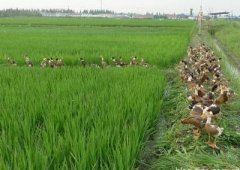
Using natural pest enemies, an agricultural natural factor, to protect the ecological environment
Humans need food, and society needs agriculture, so what should we do to develop agriculture better, and is agriculture bound to cause some damage to the ecology? In order to use fewer pesticides and protect the ecology, the "Sharing Nature" special exhibition soon to be held at the Smart Agriculture Pavilion in the Waipu Park of the Taichung World Flora Exposition
-
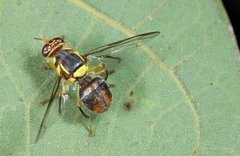
Three-Pronged Approach to Fruit Fly Control: Trapping and Orchard Cleanup Combined with Biological Control to Reduce Damage
As summer approaches, temperatures rise, and the Oriental fruit fly (Bactrocera dorsalis) begins to stir into action. Not only are the public's favorite mango and guava easily affected, but the red date (jujube), often used for warming tonics, is also a favorite food of fruit fly larvae. The Miaoli District Agricultural Research and Extension Station reminds that red dates, unlike general
-
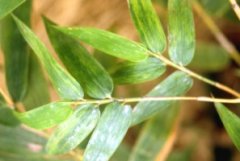
What diseases occur during the cultivation period of green bamboo? Analysis of mosaic disease symptoms and ecological impact
During the cultivation and management period of green bamboo, bamboo bugs, long-horned stink bugs, bamboo leaf roller caterpillars, bamboo leaf aphids, bamboo stem aphids, wireworms and Taiwan giant weevils are the main insect pests, while the diseases include mosaic disease, bacterial wilt, rust disease and sooty mold, among which bamboo mosaic disease
-
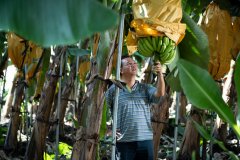
Fighting Banana Yellow Leaf Disease: Taiwan, China Pioneers Tissue-Cultured Plantlets with Tai Chiao No. 1, Banana Farmers Figure Out the Logic from the Soil
Banana's incurable disease, yellow leaf disease, has taken root in Taiwan, China for more than 50 years. Taiwan, China's leader in banana research, the Taiwan Banana Research Institute, has repeatedly set world precedents, developing tissue-cultured banana plantlets and multiple disease-resistant banana varieties and earning international fame, while professional banana farmers have developed a set of soil-improvement,
-
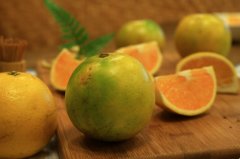
Organic Cultivation Features and Pest and Disease Control of Hongjiang Orange at Mengtian Ecological Farm
Do you think I am a yellow liuding (navel orange)? Cut me open and you will find that I have red and yellow alternating flesh! I am "Hongjiang Orange," grown from a cross of liucheng (sweet orange) and hongju (red tangerine). Because I look like a yellow liuding on the outside but my flesh is a vivid red-orange, my name is "Hongjiang Orange."
-
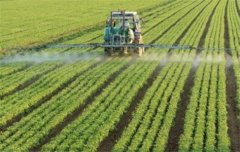
What aspects does agricultural ecological environment monitoring include, and how is monitoring carried out?
Agricultural development means rational and effective cultivation, high-yield harvesting and processing of crops, which promotes the improvement of the scientific and technological level of agriculture, reduces poverty, and supports sustainable ecological and environmental development. Recently, the Ministry of Agriculture and Rural Affairs issued the "Notice on Doing a Good Job in Agricultural Ecological Environment Monitoring."
-

What are the natural enemies of aphids and the biological control methods?
Aphids are a pest that reproduces very quickly and can harm many cash crops such as cotton, tea, rice and wheat. Controlling aphids is a headache for almost every farmer. Biological control can reduce the use of pesticides and make crops safer, so what are the
-
What Are Biopesticides? A Detailed Guide to Identifying Genuine and Fake Products
Pesticides are agents commonly used in agricultural production to prevent pest and disease infestations, and they are divided into biopesticides and chemical pesticides. But many people are unclear about what biopesticides refer to, and they do not know how to identify genuine and fake products. Let's take a look below. 1. Biopesticides refer to
-
What Does the Green Peach Aphid Look Like? A Detailed Guide to Its Morphological Characteristics and Control Techniques
There are three kinds of aphids that damage peach trees, namely the green peach aphid, the mealy peach aphid, and the peach leaf-curling aphid. After being damaged by the green peach aphid, peach trees show curled, thickened young leaves, uneven leaf surfaces, large numbers of aphids sucking leaf sap, greatly reduced leaf function, and excretion of sticky honeydew that contaminates branches and leaves,
-
What does the pigeon pea look like? A detailed introduction to the plant's morphological characteristics
In our diet, soy products are a very important part, and soybean is also one of China's important food crops, with a cultivation history of more than five thousand years in our country, but here we are talking about another strange legume, called the pigeon pea. The pigeon pea is native to
条件筛选