-

What effects does waterlogging damage have on the growth and development of tea plants?
Tea plants require moist air conditions, but they are not tolerant of excessively wet soil. When there is too much soil moisture or even standing water on the ground, the respiration of the root system is impeded, and its ability to absorb water and nutrients is reduced, seriously affecting the growth of buds and leaves and lowering the yield and quality of fresh leaves. In severe cases, the roots suffocate, anaerobic microorganisms become active, and organic acids are produced that poison the tea plant roots, causing peeling, necrosis and rot. The manifestations of tea plants suffering from waterlogging damage are: few absorbing roots, short and small lateral roots, a shallow root layer, and some lateral roots extending horizontally rather than downward, or even growing upward. Severely affected
-
What are the remedial measures after cotton suffers from waterlogging?
For waterlogged cotton that has been completely submerged for more than 3 days or soaked for more than 7 days, the root system rots and turns yellow, and the terminal leaves wither and die; such cotton seedlings have very little chance of survival and need to be replanted. Within 2 to 3 days after draining the water, if more than 500 surviving cotton plants per mu remain, they should be retained and given intensive management, with intercropping or relay intercropping of soybeans, corn, sesame and other crops; if fewer than 500 surviving cotton plants per mu remain, early replanting with a different crop should be carried out. After cotton is damaged by flooding, the root system is harmed, the taproot and lateral roots turn yellow, and the root tips become water-soaked; the stress-resistance contingency measures of "drain water quickly, loosen the soil early, apply heavy fertilizer, prevent diseases and pests, delay topping, and prune frequently" should be adopted.
-
What to Do When Cotton Is Flooded? Waterlogging Rescue Methods During Great Heat
Minor Heat and Great Heat fall in July, the hottest month of the year. Do a good job in flood control, heat prevention and drought resistance; harvest early rice in a timely manner; apply tillering and ear fertilizer to mid-season rice; carry out intertillage and soil loosening, topping, and flower fertilizer application for cotton; and control pink bollworm and cotton bollworm. Sow late-autumn crops in a timely manner. Ensure good ventilation and cooling for livestock and poultry pens to prevent heatstroke in people and animals. Most cotton fields in our province are currently in a state of hidden waterlogging. This is currently the most critical period for cotton's transition from vegetative growth to reproductive growth, and also the most critical period for the increase of cotton buds and bolls. Emergency management measures must be taken immediately.
-
How to manage a cotton field after a sudden shift from drought to waterlogging?
Right now, cotton is at the stage when vegetative growth is entering its peak and gradually shifting to reproductive growth, and it is also a period when the crop absorbs more fertilizer and water and is very sensitive. Since June 4, there have been many overcast and rainy days, the air humidity is very high, and the temperature has hovered between 25 and 30°C. Fusarium wilt has been triggered in many old cotton fields that have been planted for years. The rate of wilted plants is generally around 5%, in severe fields the rate of diseased plants is around 10%, and in some sections the incidence rate is around 20%. In some cotton fields, tarnished plant bugs, cotton bollworms, red spiders, and aphids are also causing damage in spots and patches.
-
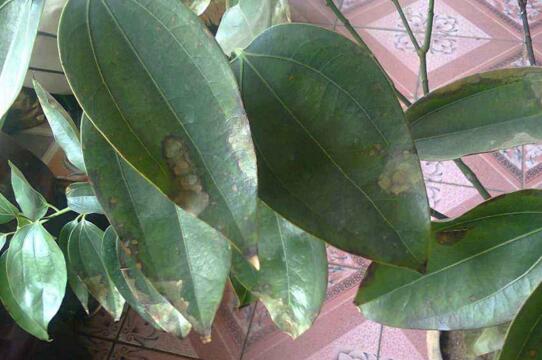
What to do when the leaf tips of the Radermachera sinica turn black? Respond to waterlogging and lack of light this way
The leaves of the Radermachera sinica are famous for being large; they can grow to 10-22 cm and also have a metallic sheen, so they are highly ornamental whether placed indoors or outdoors. But some people encounter blackened, moldy leaves, which seriously affects the tree's appearance.
-
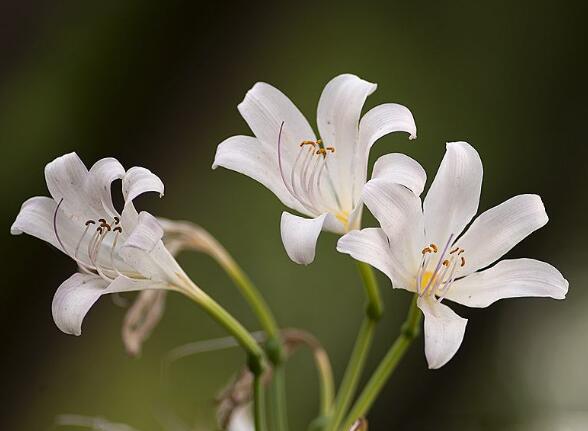
How to water Datura flowers? Remember the precautions such as avoiding waterlogging
Datura is a highly ornamental flower, but if you want it to be ornamental, you cannot be careless at all during the cultivation process. Only with proper care will it bloom brilliantly. In the process of cultivating Datura, watering is a relatively important part, so how do you water Datura?
-

How often should you water Iris japonica? Master the watering method of watering thoroughly without waterlogging
When growing Iris japonica, how to water, when to water, what kind of water to use, and so on - these are the questions flower lovers consider when learning how to care for Iris japonica, because too little water will cause poor plant growth, while too much water will lead to root rot
-
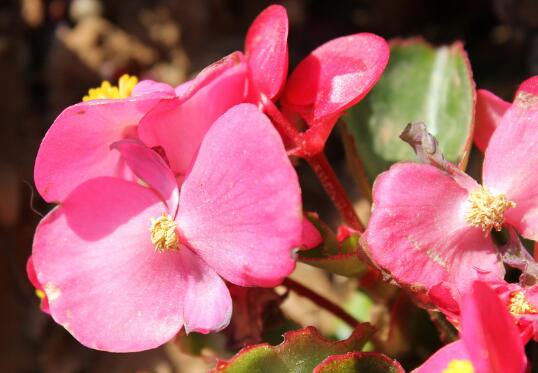
How often should wax begonia be watered? Watering precautions, avoid waterlogging at all costs
Wax begonia is a highly ornamental flowering plant, but if you want it to be ornamental, you cannot be careless in the care process at all, especially when it comes to watering, where there are many points to note. So how often should wax begonia be watered? What are the precautions for watering wax begonia?
-
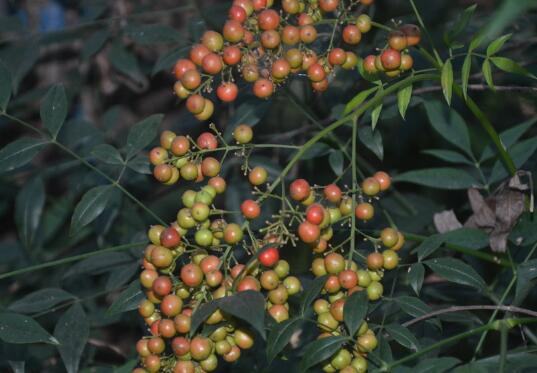
How to grow a Nandina domestica bonsai? Cultivation methods and precautions, avoid waterlogging
Nandina domestica is a fairly common woody flowering plant in people's daily lives. It has a graceful plant shape and high ornamental value, but this plant is not easy to grow well, and there are many points that need attention. So how do you grow a Nandina domestica bonsai? What are the cultivation methods and precautions for Nandina domestica
-
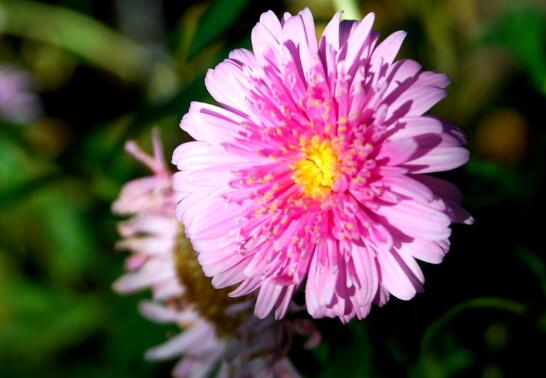
How to fertilize and water China asters? Remember to apply light fertilizer and avoid waterlogging
China aster is a highly ornamental flowering plant, and many people in China grow it, but to grow it well, there are many points to pay attention to, such as fertilizing and watering, which are especially key. So how do you fertilize China asters? How do you water China asters? Below, the editor will walk you through it.
条件筛选