-
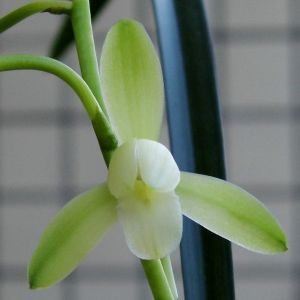
Why is the orchid called the flower of literati?
Cuiyi Xianzi, discovered in Meizhou, Guangdong, has leaves that are glossy and thick-glutinous, with slanted upright leaves, flowers standing above the foliage on wiry stems, and a pure, refreshing fragrance that fills the air. The flowers are not large, but set off by the leaves they appear delicate and exquisite, making them irresistible.
-
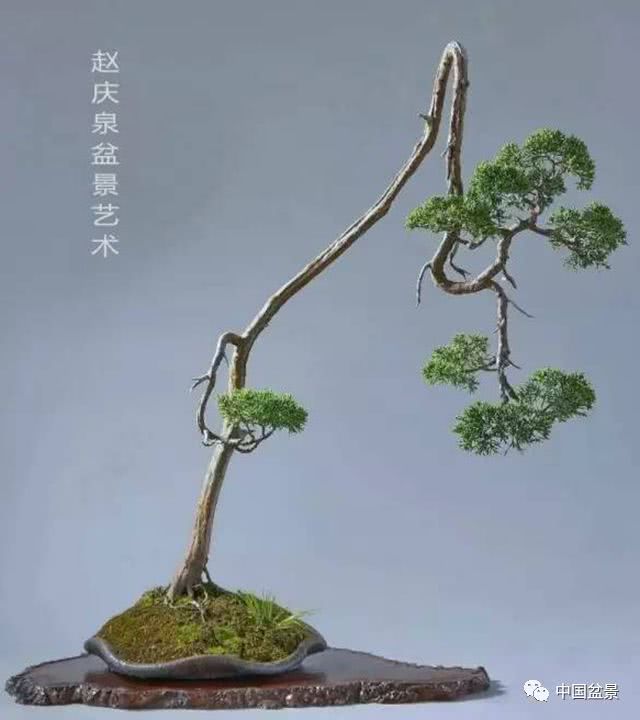
Zhao Qingquan on Literati Trees, Revisited: Spirit Revealed in Every Branch and Leaf
Spirit Revealed in Every Branch and Leaf - A Further Discussion on the Creation of Literati Trees. Production, photography, and text by | Zhao Qingquan. Copyright belongs to Teacher Zhao Qingquan. I have long held a special affection for literati trees. At first, when I was reading painting manuals, I discovered that in ancient Chinese painting, especially...
-
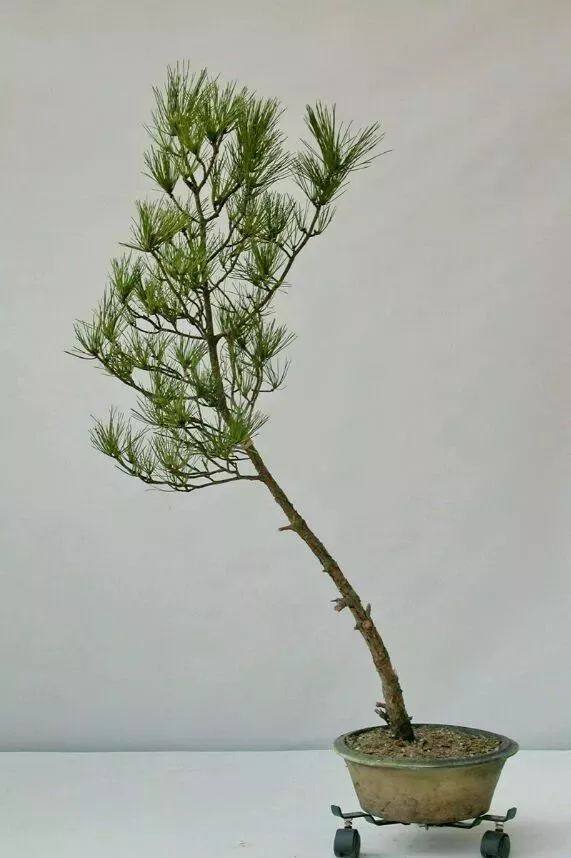
The process of creating a literati-style bonsai, demonstrated by Zhao Qingquan
Bonsai name: Chu Chen (Beyond the Dust) Species: Japanese black pine (Pinus thunbergii) Height: 106 cm Age: 25 years Author: Zhao Qingquan The creation of "Chu Chen" began in early 2004. The material was a mountain-collected Japanese black pine (Figures 1 and 2). Before starting work, I examined it repeatedly, and finally chose the front and back sides...
-
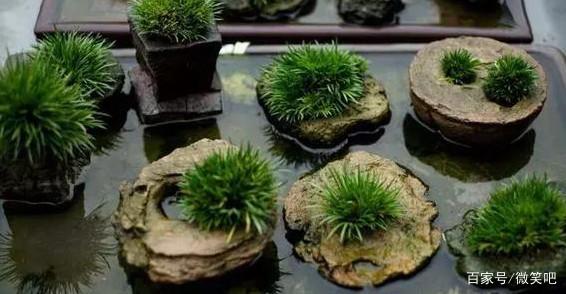
The calamus bonsai is stunningly beautiful, and its literati elegance is well worth savoring in detail.
Zheng Zhilin, a teacher at the Ancient Forest Garden, is a bonsai expert. He spends most of his time on potted bonsai. ...
-
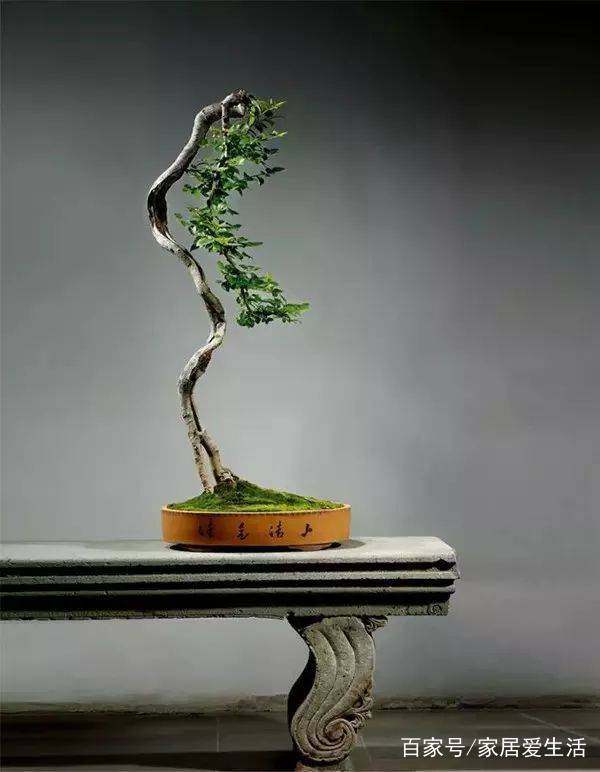
Literati tree bonsai appreciation: the spirit and charm are indescribably wonderful
Literati bonsai originated in China. It can be traced back to the Tang Dynasty. To understand what literati painting is, one must start with literati painting. Literati painting generally refers to the painting of scholar-officials in Chinese feudal society. In terms of subject matter, a large number of frustrated scholars...
-
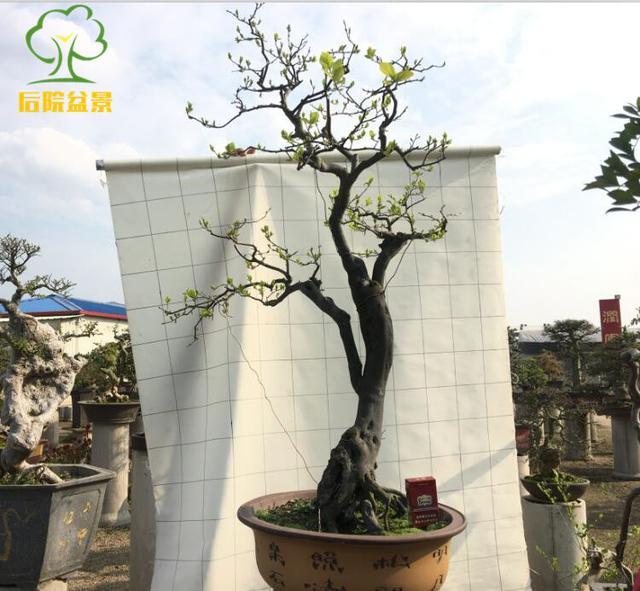
Literati-style bonsai have a flowing, concise form
The flowing, concise literati-style bonsai Literati bonsai requires grasping its special style in shaping, and even more attention must be paid to expressing and reflecting the literati's spiritual realm through form. Literati bonsai trees mainly emphasize the characteristic of being thin and tall, from the base of the tree's main trunk...
-
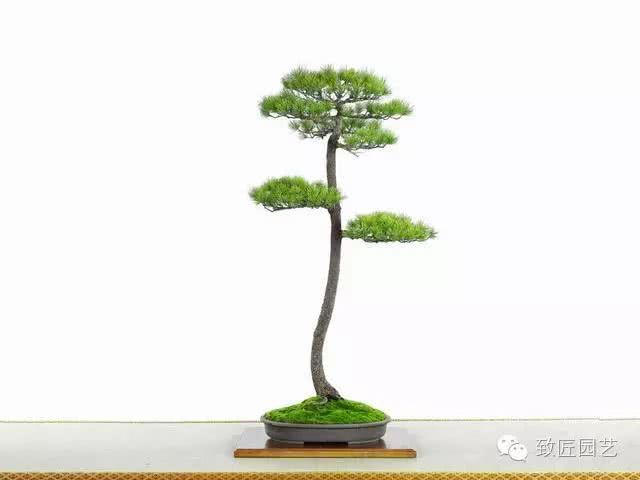
An introduction to the styling characteristics of five-needle pine literati bonsai
Literati style is a special form of expression within literati bonsai: the trunk is lean, vigorous and ruggedly simple, the branch structure is concise and crisp, and the style prizes elegance and archaic simplicity, emphasizing strength of character and spiritual resonance, carrying the symbolism of traditional Chinese literati value standards. Today we bring literati...
-
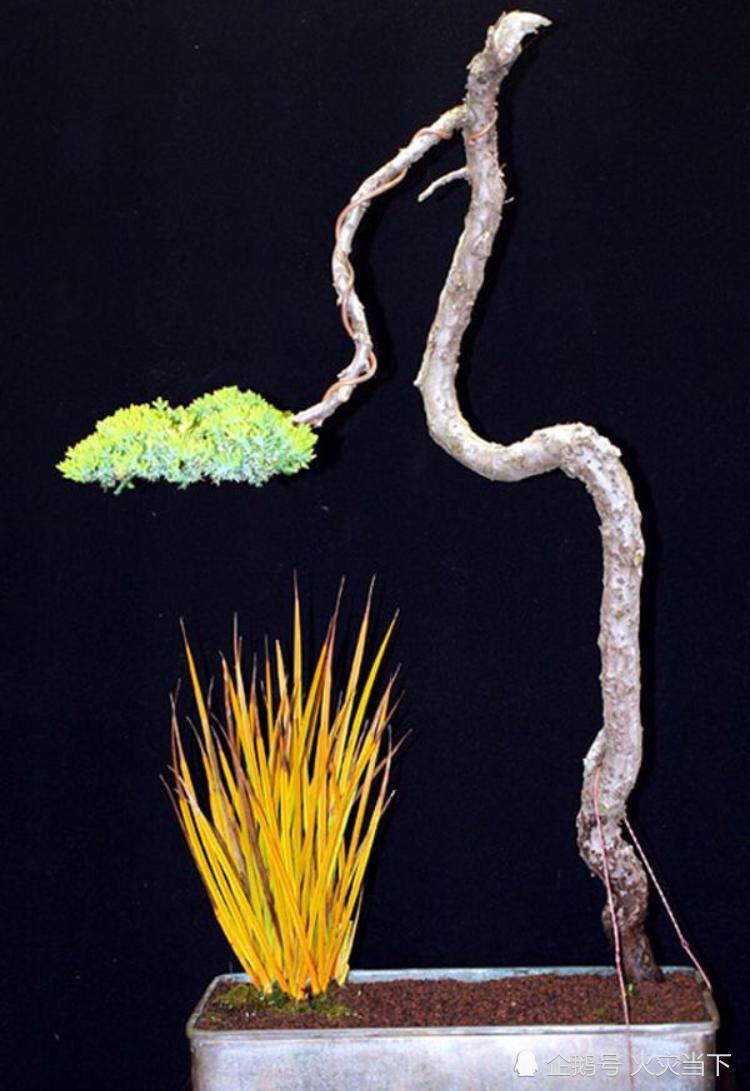
Literati bonsai have creative, unusual, elegant shapes that lift the spirits
Shimpaku juniper literati bonsai appreciation; old-trunk Ming aralia literati bonsai; creative banyan bonsai appreciation; old-trunk crabapple bonsai; old-trunk white cherry blossom bonsai appreciation; a single splendid branch literati banyan bonsai ...
-

Literati Tree Creation: Selected Works of Bonsai Master Zhao Qingquan
Name: Chuchen (Beyond the Dust) Species: Japanese Black Pine Height: 106 cm Age: 25 years Artist: Zhao Qingquan. The creation of "Chuchen" began in early 2004. The material was a mountain-collected Japanese black pine (Figs. 1, 2). Before starting, I conducted repeated examinations, and finally selected the front and back sides...
-
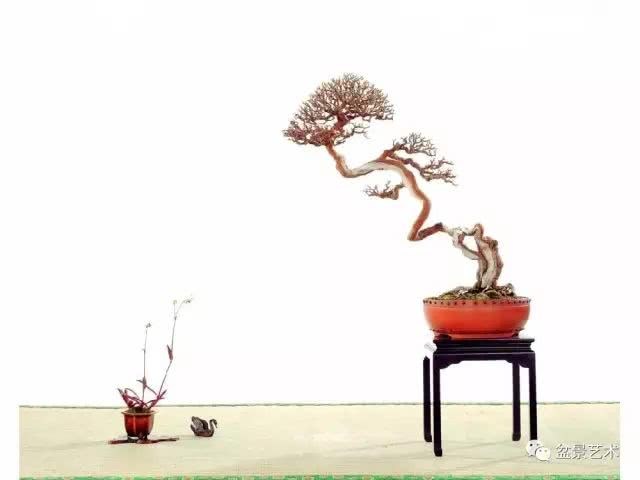
Key Points for Shaping the Literati Bonsai Style and a Detailed Guide to Styling Methods
The so-called literati bonsai style refers to a tree style that is taller and more slender than the curved-trunk style, with the lower branches removed and an exceptionally sparse number of branches. The literati bonsai style, long favored by men of letters and scholars, gives people a feeling of upright integrity and outstanding aloofness. The height of this tree...
条件筛选