-
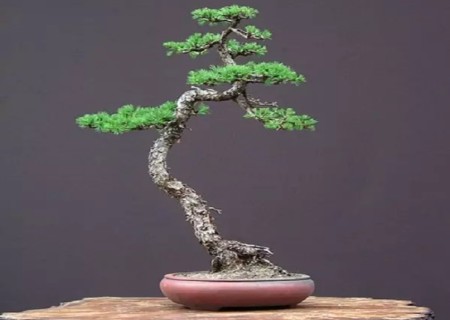
Illustrated guide to the whole process of styling a literati tree bonsai, teaching you step by step
Literati trees often use vivid, distinctive, fresh and exquisitely skilled artistic imagery to give the best interpretation of the lofty, proud aspirations, the solitary elegance and the untrammeled, independent humanistic spiritual pursuit of Chinese intellectuals since ancient times; literati trees are more about expressing oneself, while Suren style is more
-
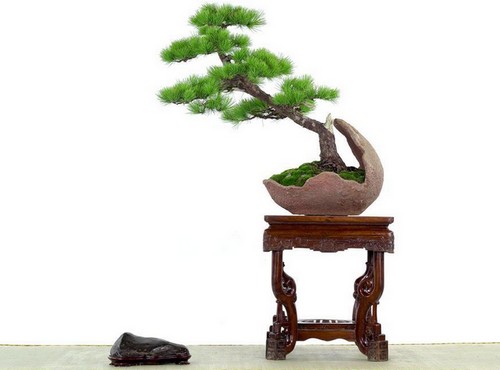
Detailed Explanation of the Methods and Steps for Making Literati-Style Bonsai
Literati-style bonsai is more about expressing oneself, while Suren-style is more about one's relationship with the world, placing oneself within the whole world. Therefore, in terms of the styling expression of bonsai, literati-style bonsai wins through various kinds of elegance and refinement, and what it expounds is how the tree form itself stretches out, elegant and refined
-

What are the creative characteristics of literati tree bonsai?
Some time ago, regarding the creation of literati trees, I traveled to Yangzhou to visit Mr. Zhao Qingquan. In Mr. Zhao's rooftop garden, I witnessed the "Peach Blossom Spring paradise" that the master had kept hidden for many years. Mr. Zhao's literati tree bonsai "Interdependence," created with a double-trunk Chinese juniper, fully displays the noble, tranquil, fresh and refined integrity of the literati character.
-
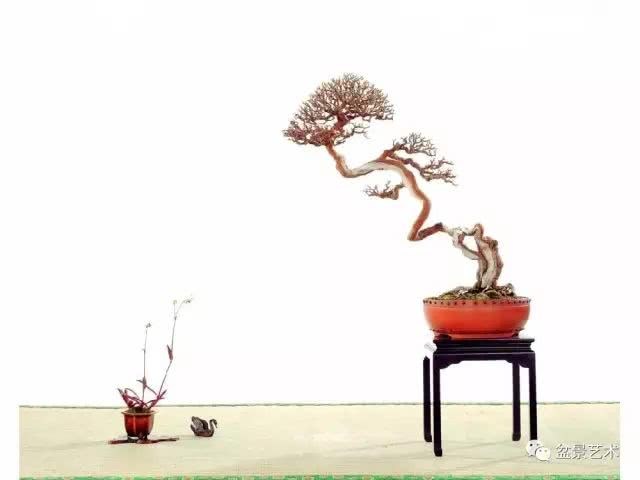
Key Points for Shaping the Literati Bonsai Style and a Detailed Guide to Styling Methods
The so-called literati bonsai style refers to a tree style that is taller and more slender than the curved-trunk style, with the lower branches removed and an exceptionally sparse number of branches. The literati bonsai style, long favored by men of letters and scholars, gives people a feeling of upright integrity and outstanding aloofness. The height of this tree...
-

Literati Tree Creation: Selected Works of Bonsai Master Zhao Qingquan
Name: Chuchen (Beyond the Dust) Species: Japanese Black Pine Height: 106 cm Age: 25 years Artist: Zhao Qingquan. The creation of "Chuchen" began in early 2004. The material was a mountain-collected Japanese black pine (Figs. 1, 2). Before starting, I conducted repeated examinations, and finally selected the front and back sides...
-
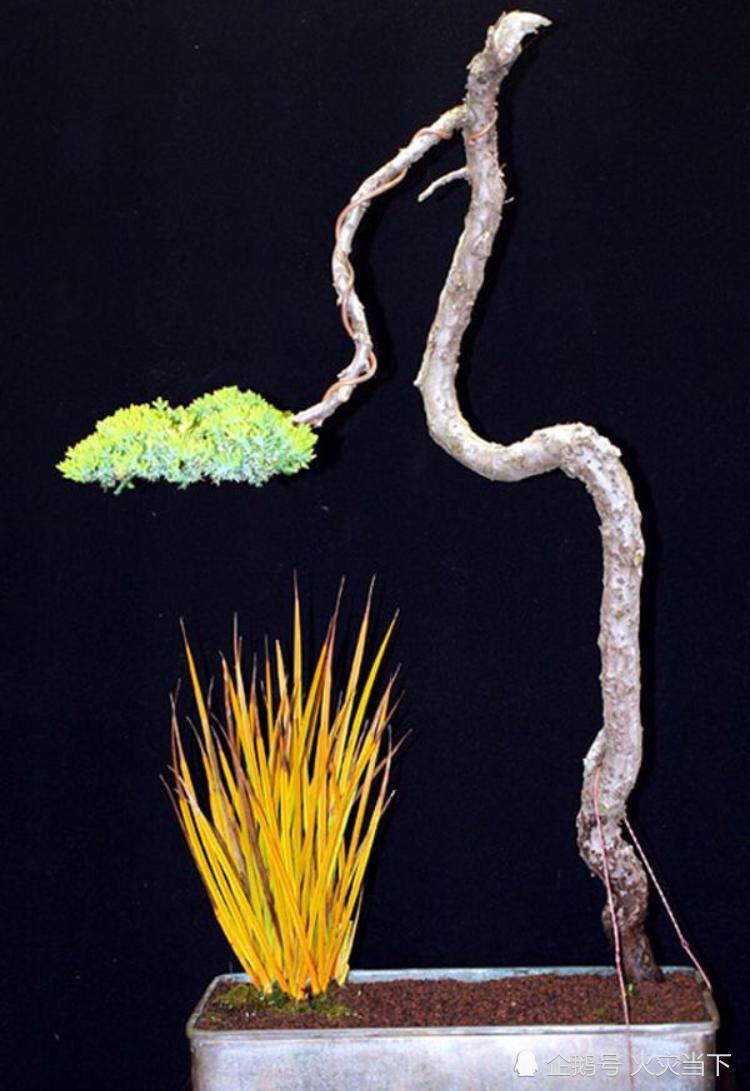
Literati bonsai have creative, unusual, elegant shapes that lift the spirits
Shimpaku juniper literati bonsai appreciation; old-trunk Ming aralia literati bonsai; creative banyan bonsai appreciation; old-trunk crabapple bonsai; old-trunk white cherry blossom bonsai appreciation; a single splendid branch literati banyan bonsai ...
-
Kerria japonica is a woody plant; let us get to know this flowering plant
Kerria japonica has been a favorite of literati and poets since ancient times; Kerria japonica stands out among all flowers, and each leaf and each blossom is abundantly lovely. Today let us get to know this lovely plant.
-
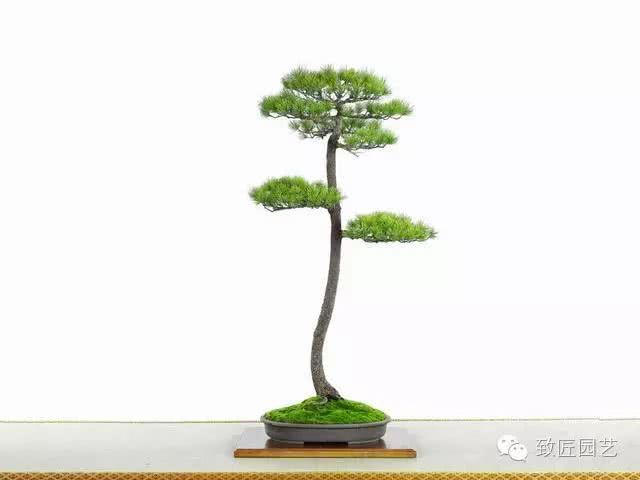
An introduction to the styling characteristics of five-needle pine literati bonsai
Literati style is a special form of expression within literati bonsai: the trunk is lean, vigorous and ruggedly simple, the branch structure is concise and crisp, and the style prizes elegance and archaic simplicity, emphasizing strength of character and spiritual resonance, carrying the symbolism of traditional Chinese literati value standards. Today we bring literati...
-
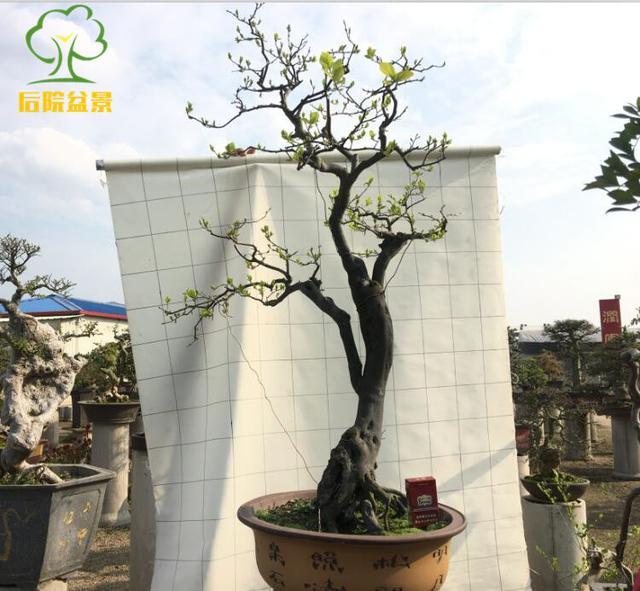
Literati-style bonsai have a flowing, concise form
The flowing, concise literati-style bonsai Literati bonsai requires grasping its special style in shaping, and even more attention must be paid to expressing and reflecting the literati's spiritual realm through form. Literati bonsai trees mainly emphasize the characteristic of being thin and tall, from the base of the tree's main trunk...
-
What kind of plant is the lotus? Get to know this aquatic plant
The lotus is a perennial aquatic herbaceous flower of the genus Nelumbo, and can be divided into two major categories: ornamental and edible. When used well, the whole lotus plant is a treasure: the rhizome and lotus seeds can be eaten, and the leaves, flowers, rhizomes and other parts can all be used as medicine. In addition, the noble character of the lotus has been one of the subjects celebrated by literati and poets through the ages.
条件筛选