-

How to Grow Guzmania (Guzmania lingulata): Detailed Guide to Cultivation Methods and Precautions
In China, "Hongyun Dangtou" is both an idiom and a very popular flowering plant. Guzmania (Guzmania lingulata) has very high ornamental value and is widely distributed across China. Today, Guzmania is cultivated in all the major flower bases in China, so
-
What are the propagation methods for the Guzmania (Guzmania lingulata)?
The Guzmania blooms only once in its lifetime and gradually dies after flowering. No one wants their beloved plant at home to die just like that! So you need to learn the propagation methods for Guzmania, continuously cultivating new plants so the blooms keep coming. So how do you propagate a Guzmania?
-
What is the correct way to grow Guzmania (Guzmania lingulata)?
Summary You can use 2 parts peat soil and 1 part fine sand to make a growing mix for planting. In winter, apply 1 diluted organic liquid fertilizer about every half month, with a suitable concentration of 20%. During cultivation, maintain a suitable temperature of about 15°C-22°C, and you can
-
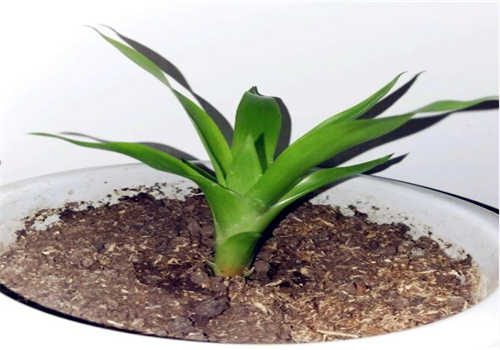
What plant is the Guzmania (Guzmania lingulata), and when is the best time to divide it?
The Guzmania is a common ornamental flowering plant for the home, evergreen all year round, with beautiful and varied inflorescences and rich colors. Many gardening enthusiasts are familiar with it, so when is the best time to divide a Guzmania? How do you divide it? As for the timing of dividing a Guzmania, division is best done in April each year, and it is only suitable when the offshoot has 6 or more leaves.
-
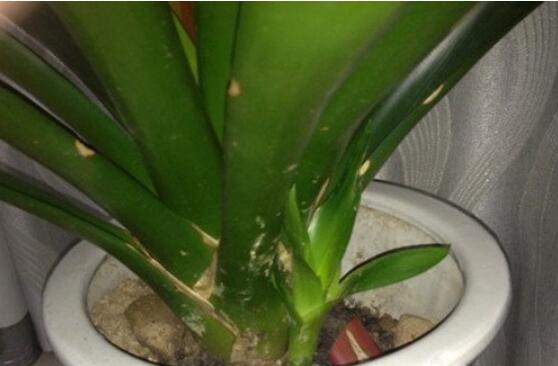
How to divide Guzmania (Guzmania lingulata)? A propagation method by division suitable for all four seasons
Gardeners are certainly familiar with the Guzmania flower; what leaves the deepest impression is that the head blooms only once in its lifetime! But precisely because of this, the Guzmania flower is very beautiful. And to keep enjoying this beauty, there is a good way, namely propagation. It is understood
-
What are the cultivation methods for Guzmania (Guzmania lingulata)?
1. Light: Light plays an important role in growing Guzmania. In cold seasons, it needs at least 4 to 5 hours of sunlight per day. On cloudy days, artificial light can replace sunlight. It should not be exposed to harsh sun, and in summer it should be placed in a shady spot. 2. Temperature: The suitable temperature for Guzmania is 15°C to 22°C
-

What causes yellow spots on the leaves of a Guzmania (Guzmania lingulata)?
There are many reasons that cause yellow spots on the leaves of a Guzmania: if it is caused by improper watering, then you need to water it properly, avoid pouring water into the flower center, and make sure the potting soil stays moist and never dries out; if it is caused by unsuitable temperature, then you need to control the plant's growing temperature, keep it constant, and make sure the temperature difference is not too large.
-
How do you transplant Guzmania (Guzmania lingulata) offsets correctly?
Guzmania offsets should be transplanted after the leaf shoots have grown roots. Take the plant out of the pot, use a knife to separate the offset from the mother plant, plant it separately, then place it in a shady spot for care. Use loose, fertile potting soil for transplanting; you can mix peat or coconut coir with 1/3 to 1/4 perlite for cultivation.
-

How many years does it generally take for a small Guzmanialingulata (scarlet star) seedling to bloom?
For commercially grown Guzmania lingulata, it takes only a few months from potting to blooming. For home care, the time varies, and it can take anywhere from a few months to several years, depending on the care conditions. Normally, give it plenty of light, supplement with artificial light on dark days, and keep the flower center moist right after planting.
-
What to Do If Your Guzmania (Guzmania lingulata) Flower Rots? Causes and Solutions
There are many reasons why a Guzmania flower rots: if the rot is caused by improper watering or fertilizing, use tweezers to remove the rotted parts completely. If the rot is caused by high humidity, you can discard it, or you can prune it appropriately so the leaf base sprouts new suckers again and a new plant can be grown.
条件筛选