-

2-square-millimeter sensor has promising prospects in the IoT era
2-square-millimeter sensor will have its chance in the IoT era
-
-

Black Goji Berry Helps Zhou Limei Broaden Her Path to Prosperity
Zhou Limei: Black Goji Berry Opens Up a Path to Prosperity
-

How to grow Kalimeris indica? These few points need attention
A few points to note when growing Kalimeris indica
-

Detailed Guide to Kalimeris Planting Methods, Timing and Precautions
Several Points to Note When Planting Kalimeris
-

Key Points of Xinlimei Radish Planting Technology and Management
Xinlimei Radish Planting Technology
-
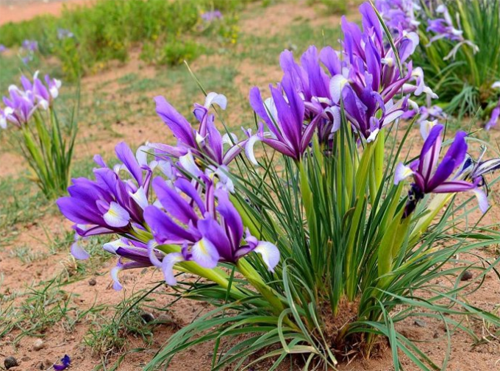
How to grow Kalimeris indica and how it differs from iris
Kalimeris indica blooms with pink flowers that are extremely beautiful, with a flower shape that looks as if it is smiling. Many people want to grow Kalimeris indica. What are the cultivation methods for Kalimeris indica? How does it differ from iris? Cultivation methods for Kalimeris indica: soil and fertilizer. Kalimeris indica has strong adaptability to soil
-
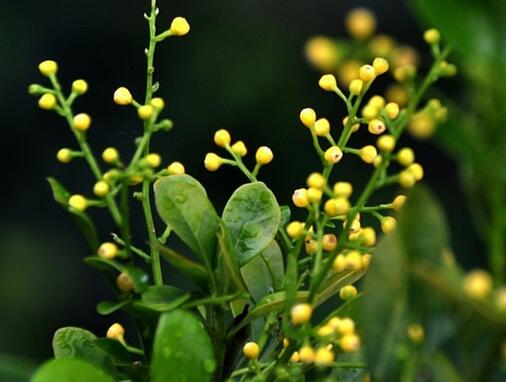
What to do when the leaves of the Aglaia odorata (mock lime) turn yellow? Don't overlook these cultivation precautions
Aglaia odorata (mock lime) likes warmth, sunshine and plenty of fertilizer. Its optimum growing temperature is 20°C-25°C. Normally, with ample sunlight and a fairly high temperature (around 30°C), the flowers it produces will have a strong fragrance. The mock lime has green leaves and small flowers with a rich aroma, yet the size and color contrast between the leaves and the flowers is just right
-
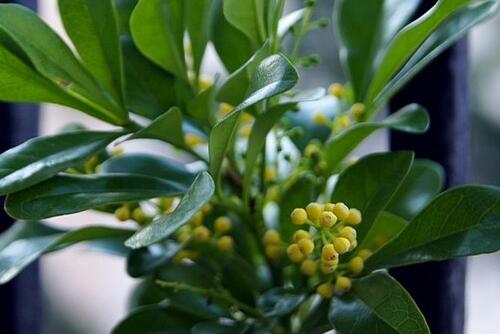
Methods for Propagating Aglaia odorata (Mock Lime) from Cuttings and Post-Cutting Care Points
Aglaia odorata (Mock Lime) is a beloved flowering plant, its fragrance filling the air when it blooms. As an edible flower, it can be used to extract essential oils, such as Aglaia odorata flower tea. Potted Aglaia odorata can be displayed in the living room, study, and porch, offering a fresh and elegant atmosphere that soothes body and mind. In southern courtyards, Aglaia odorata is also an excellent landscape tree.
-
Identification and Control Methods of Slime Mold Diseases in Oyster Mushrooms
Symptoms The slime mold colonies harming oyster mushrooms are white, and during the vegetative growth stage they mostly spread outward in a feather-like pattern, generally difficult to distinguish from oyster mushroom mycelium. In the middle and late stages of oyster mushroom growth, the slime mold develops rapidly. When the mushroom bed has high humidity, the slime mold spreads from the bottom layer of the substrate to the surface layer, beginning to appear on the surface of the mushroom bed as bright orange-yellow gelatinous filaments, which then rapidly produce powdery gelatinous masses, namely the slime mold spores entering the reproductive stage. The gelatinous masses spread rapidly from the stipe to the cap of the oyster mushroom, gradually enveloping the entire fruiting body and causing the fruiting bodies
条件筛选