-
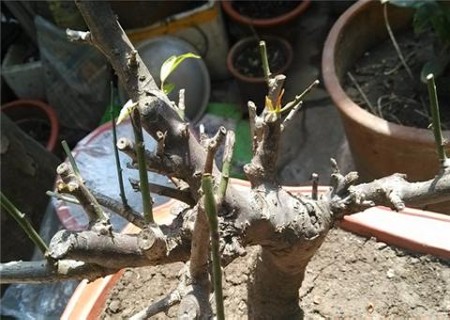
How to graft plum blossoms? A detailed guide to the cleft grafting propagation method
Plum blossoms are usually propagated by grafting, because seedlings grown from seed often fail to pass on the superior traits of the mother plant, and grafting is divided into two types: cleft grafting and bud grafting. We have already covered the bud grafting technique for plum blossoms, so this article will discuss the cleft grafting propagation method for plum blossoms! As for the scion, there is no need to elaborate, it is the same as usual
-
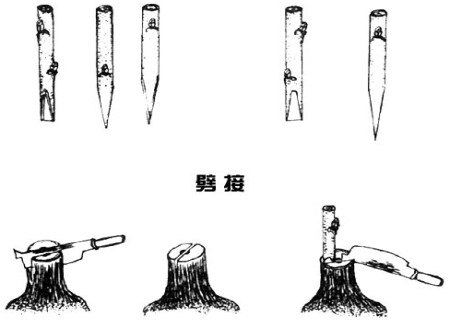
Detailed Explanation of the Key Operation Points of the Cleft Grafting Technique for Pear Trees
Among fruit trees, the pear tree is a species that is relatively easy to graft, and most grafting methods readily succeed. In summer, it is best to use the three bud grafting methods: patch budding, chip budding and T-shaped budding; in spring, it is best to use the two scion grafting methods: single-bud side grafting and cleft grafting
-
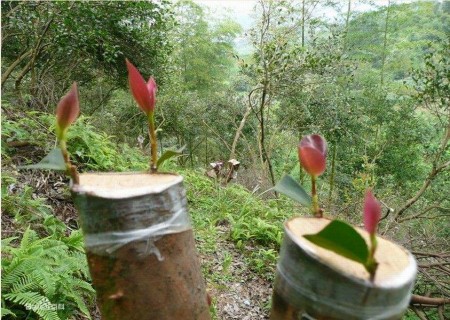
Pear Tree Cleft Grafting: Key Techniques and Step-by-Step Method Explained
Branch grafting of pear trees can be further divided into cleft grafting, tongue grafting, approach grafting and other forms, with cleft grafting and cut grafting being the most commonly used. Cut grafting is mostly carried out in early spring (mid to late March) when the trees begin to break dormancy but have not yet budded. The rootstock diameter should preferably be 2-3 cm; cut the rootstock horizontally at 2-3 cm from the base of the branch
-
Illustrated guide to the cleft grafting technique for bonsai, with detailed steps that are easy to understand at a glance
Grafting is the artificial joining of tissues such as a branch or bud from one plant onto a suitable part of another plant, such as a branch, trunk or root, so that they heal and grow together to form a new plant. This branch or bud is called the scion, and the plant that receives the scion is called the rootstock. Grafting flowers and trees places great emphasis on technique
-
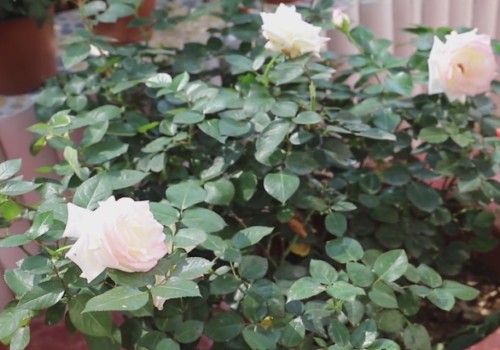
Will potted roses freeze to death if left outdoors in winter?
Friends who love roses have probably grown them in pots at some point, but as the cold winter arrives, what should we do for them to ensure they burst into bloom again next round? To make potted roses burst into bloom next round, we first need to get them through the winter safely and smoothly, making sure the plants are not frostbitten or frozen to death. So
-
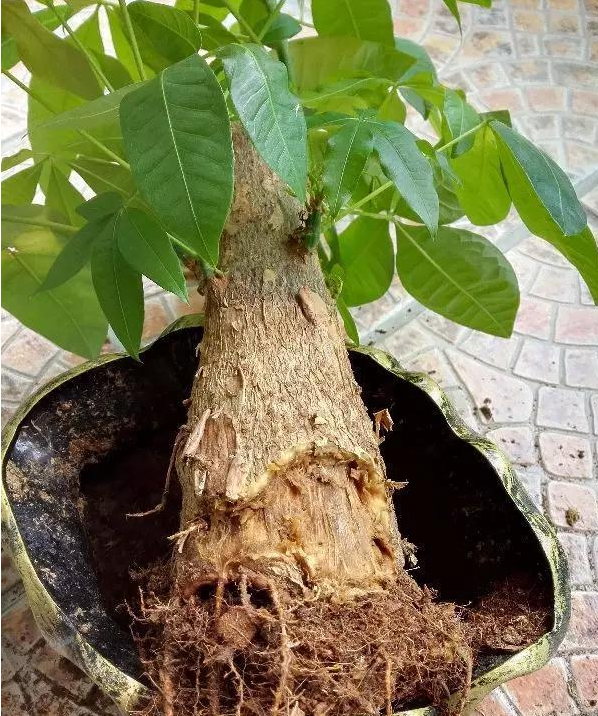
Treating a money tree with root rot this way, and can the soil left after it dies still be used?
The money tree (Pachira aquatica) is something many people love to grow; it looks so beautiful and is also very auspicious. Let's look at how to treat root rot in a money tree.
-
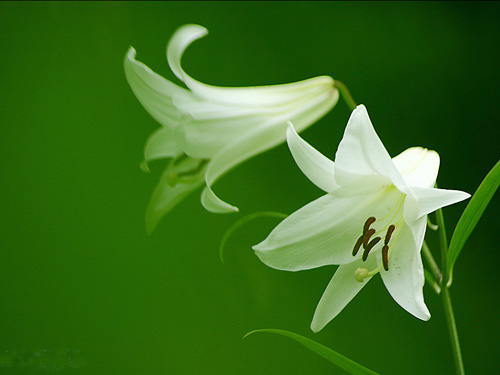
Is it beneficial to water flowers with leftover tea leaves and leftover tea?
Leftover tea leaves and leftover tea water are harmful and not beneficial at all when used to water any flowers. Leftover tea leaves and leftover tea water both contain a large amount of theophylline, and during the decomposition and fermentation process they produce a large amount of harmful gases and reducing substances. Watering with leftover tea water over a long period often causes alkaline damage on the soil surface and easily harbors pests and diseases. Before use, they need to be decomposed; it is best not to use undecomposed leftover tea leaves.
条件筛选