-
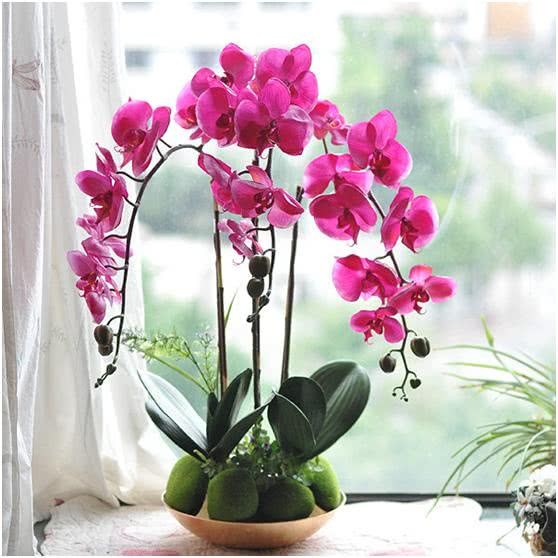
Personal experience with Phalaenopsis potting media and repotting, worth learning for beginners
Based on my personal growing experience, and after reading quite a few tips from expert growers, I'll just jot down some thoughts for fellow flower enthusiasts for reference. I feel that sphagnum moss, as an already widely used potting medium, is indeed the best medium for ordinary home-grown Phalaenopsis, rooting...
-
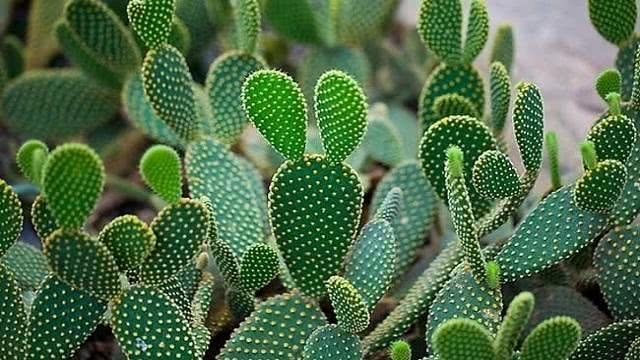
What to do about root rot in cactus? Learn one trick to easily solve it
To solve the problem of root rot in cactus, first take it out of the pot, cut off the rotten parts and disinfect them, then place it in a ventilated place to dry, and once completely dry, insert it into the potting soil. Usually, control the amount of watering well, ...
-

Crab claw cactus triangular grafting: new shoots fill the pot in two months, beginners can learn it at a glance
Three-ribbed opuntia, also called triangle cactus, is a plant of the Cactaceae family. It can be used to graft crab claw cactus, cactus ball, epiphyllum and other plants. It has good compatibility, and it forms independently without needing support, with a high survival rate and fast growth, making it suitable for beginners to graft this...
-
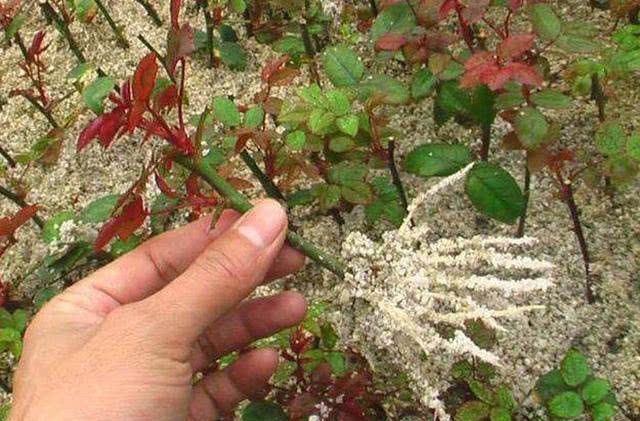
Cuttings hard to root? Learn these little tricks and white roots will sprout effortlessly
When it comes to cuttings, there are actually many methods: you can root them in water, in soil, or in river sand, vermiculite, perlite, and so on. So which rooting method works best? Let's analyze. 1. Water rooting: many potted plants can...
-
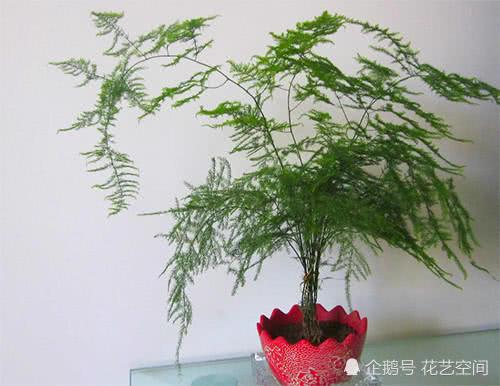
Asparagus fern loves yellow leaves? Learn the tricks and grow it by following them, and its leaves will be emerald green, glossy and growing well
Asparagus fern (Asparagus setaceus) is a flowering potted plant that many people love. Its leaves have a layered look, are elegant and delicate, and it is very effective at decorating a home, making it the best choice for home decor! The most common problem when caring for asparagus fern is yellow leaves. An asparagus fern with yellow leaves is simply...
-
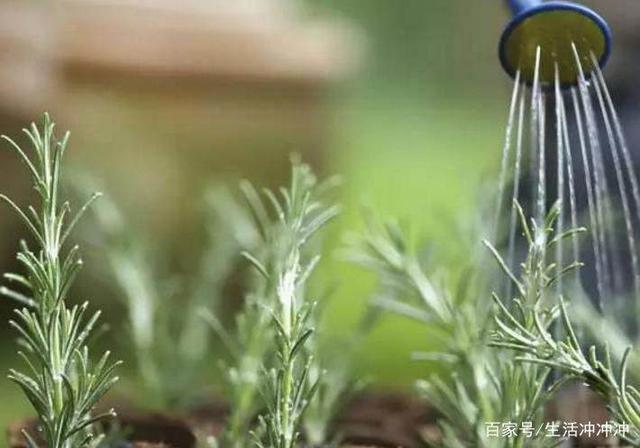
What are the key points for watering potted plants? Learn how to grow potted plants well
Water potted plants according to the situation and master the amount of water. 1. Water according to the size, depth, and shallowness of the pot: water less in large pots, more in small pots, less in deep pots, more in shallow pots; 2. Water according to the material of the pot: water more in clay pots, less in ceramic pots, and even less in porcelain pots...
-
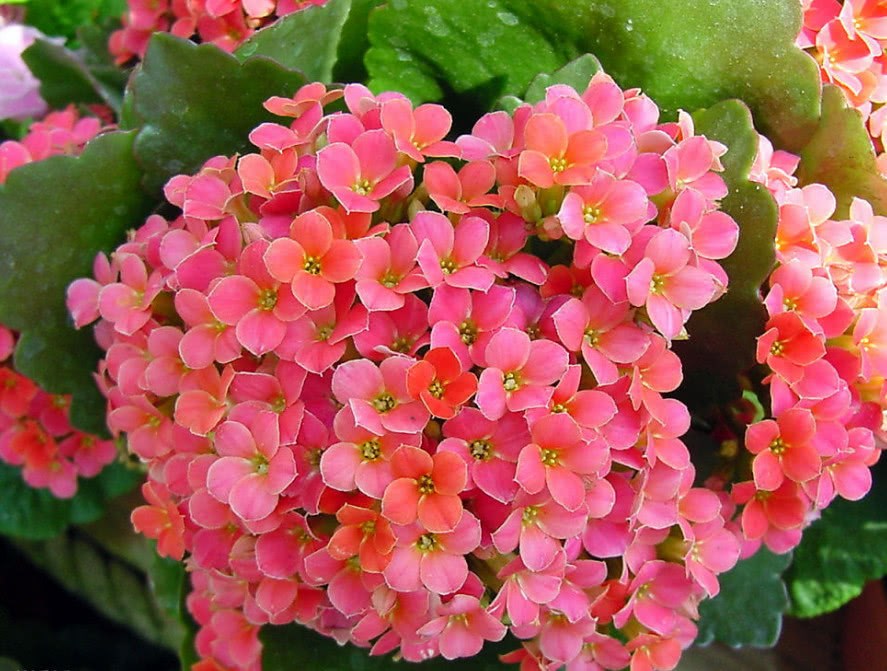
Flowers always suffering from root rot? Learn this one trick and they won't rot or turn yellow for ten years
The first cause of root rot and yellow leaves in flowers is soil that isn't breathable. This is a common problem for most potted flowers. The key is loose, breathable soil; even if you water too much, root rot won't occur. Many gardening enthusiasts use...
-
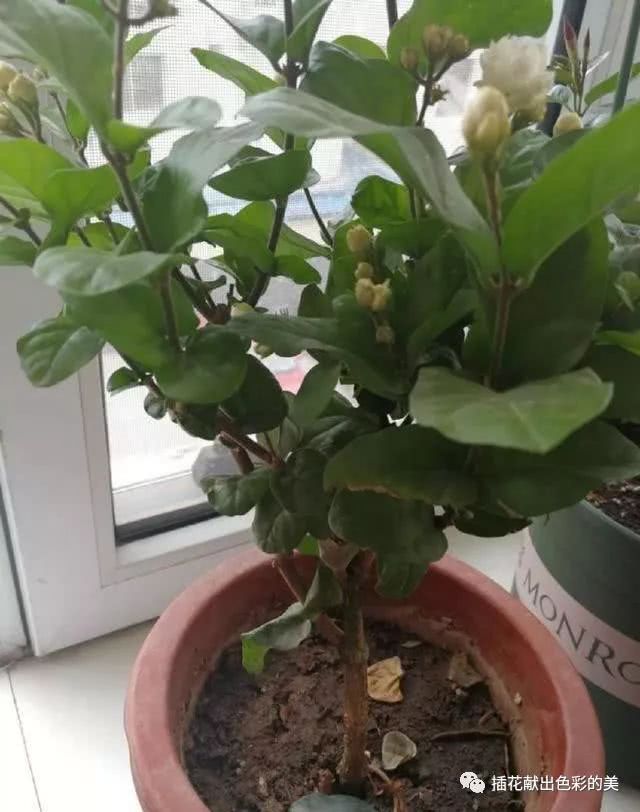
What to Do About Dry Branches and Withered Leaves on Jasmine: Learn the Quick Way to Help It Recover
Many friends find that most of the jasmine they buy from flower markets develops dry, withered leaves. Some plants look fine at first, but after just a few days they start failing. This is mainly because sellers add growth agents to the plants to promote...
-
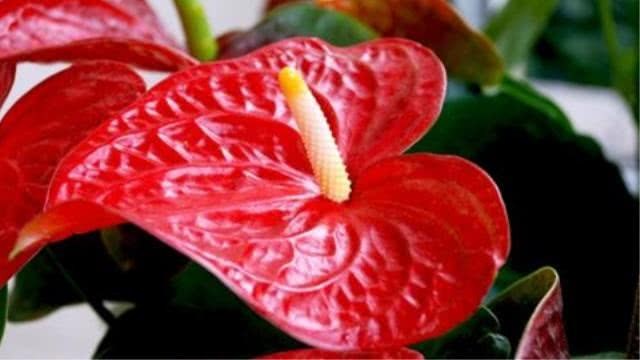
How to propagate Anthurium? Two methods everyone growing Anthurium at home must learn
Division propagation: Choose a suitable Anthurium offset, disinfect it, and place it in a cool, shaded spot so it can quickly recover and grow roots. Once it has rooted, it can be planted in a pot. Seed propagation: First collect the seeds and sow them individually in sand...
-
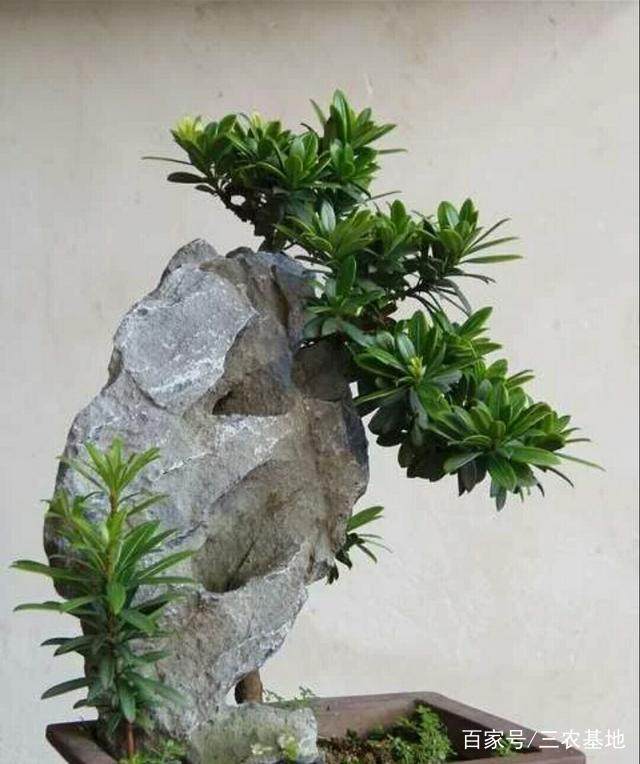
How do you make a stone bonsai? A simple method that you can learn in no time
Making a stone bonsai means connecting trees to crevices or grooves in stone, with the roots forming crevices or grooves, the branches and trunks gnarled and winding into hollows or around the stone, or hanging over the stone, or slanting and clinging to the wall, so that the strange stones and plants are in harmony with nature. ...
条件筛选