Cuttings hard to root? Learn these little tricks and white roots will sprout effortlessly
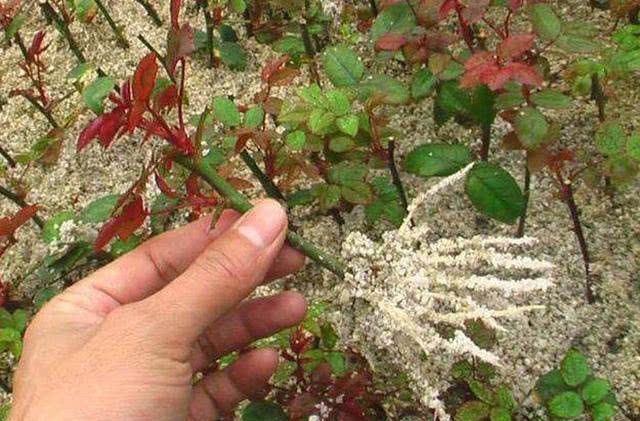
When it comes to cuttings, there are actually many methods: you can root them in water, in soil, or in river sand, vermiculite, perlite, and so on. So which rooting method works best? Let's analyze.
1. Water rooting: many potted plants can be rooted in water. Cut a suitable length of stem, put it in water, change the water every two or three days, and roots usually appear in about a week. Easy-to-root plants such as pothos and spider plant root in three or four days. However, the roots produced this way are very brittle and break easily when transplanted into soil, and switching from water culture to soil culture means a long recovery period.
2. Soil rooting: insert the cut stem directly into the soil. With this method, rooting is somewhat slower and the cutting easily loses water and wilts.
3. Vermiculite rooting: the rooting method I use most often is vermiculite rooting. Fill a flower pot with vermiculite, insert the cutting, water it thoroughly, and place it in a drip tray, keeping about two cm of water in the tray at all times.
Just put it directly in a bright spot and let it get sun; there is no need to cover it with a bag to keep it humid. Keep it like this for about a month. Some woody plants that are harder to root, such as Chinese rose, bougainvillea and gardenia, can all be rooted successfully with this method.
This is a Chinese rose, Christmas cactus, and others that I rooted successfully in vermiculite. In about twenty days the roots grew this long and they were ready to transplant. When transplanting, it is best to use loose, airy soil, and be sure to water the young plants thoroughly. You can simply place them in a tray and soak them for about half an hour so the potting soil and roots bind tightly together. If the watering does not soak through, it can easily cause transplant failure.
4. Of course, you can also use river sand, perlite and other plain soils for rooting, but I think these root somewhat more slowly than vermiculite.