-
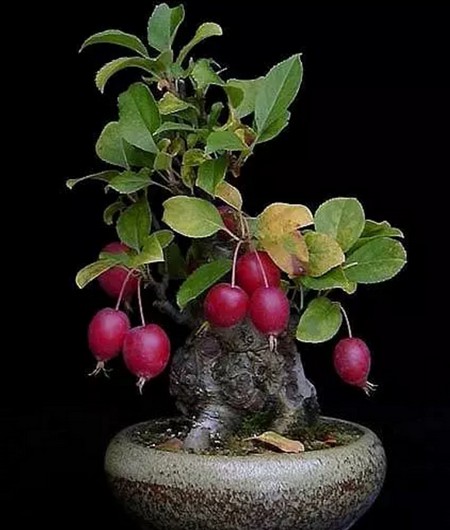
Detailed Explanation of Leaf Growth Characteristics of Fruit Tree Bonsai
Fruit tree bonsai combines the beauty of tree form, fine colors, and fresh fruit tasting all in one. The tree body needs to bear a certain number of fruits; the shape, distribution, size, quantity, color of the fruits, and the leaf-to-fruit ratio are all important factors that make up the art of fruit tree bonsai. Some fruit tree bonsai not only have ornamental value, but their fruits are also edible, achieving multiple benefits at once.
-
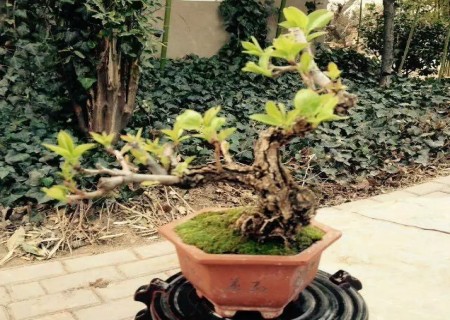
Detailed Explanation of the Making Methods and Steps of Tangli (Birchleaf Pear) Bonsai
When the green carp comes, I hear from afar the spring stream shattering sound by sound; I smell the light yellow buds first opening on the tangli I planted with my own hands. When Minor Heat quietly passes, the new pears gradually hang low, and I invite the neighbor girl from the east to gather fruit and stroll slowly home. Last year I gathered fine snow from the branch tips; today crimson pear leaves drift down, lightly kneading two or three strokes of grass color into the scroll, sipping spring wine and only then feeling its faint sweetness. Still it is the season for loving the two words "startled swan" as I drift into dreams
-
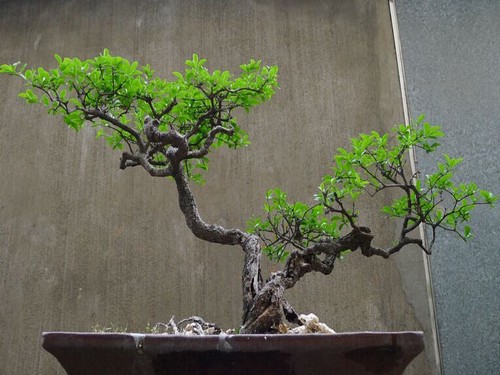
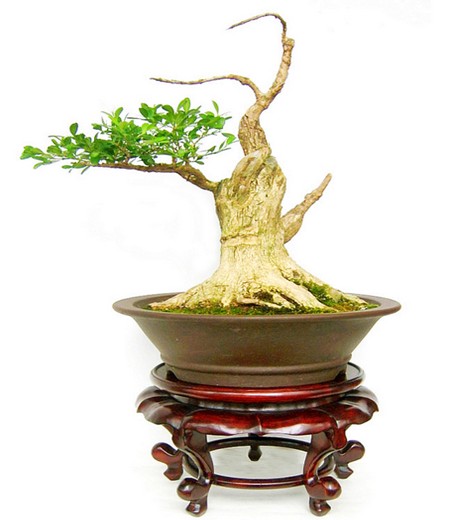
How to make a small-leaf privet bonsai? Detailed method explained
Small-leaf privet has dense branches and leaves, white flowers and purple berries, stays evergreen through all four seasons, and can be enjoyed year-round, but it looks best in spring and summer. Using its old trunk, with ancient roots and a slanting trunk, gnarled and full of varied forms, with branches and leaves styled in layer upon layer, it has even greater ornamental value. Below, let me introduce the method for making a small-leaf privet bonsai.
-
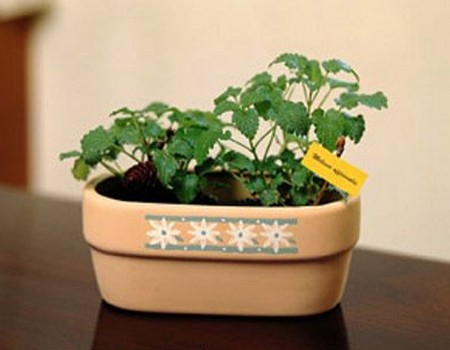
Detailed Guide to Making a Broadleaf Mahonia Bonsai
There are many varieties of broadleaf mahonia (Mahonia bealei). Common ones include the dense-spined broadleaf mahonia, whose leaf margins have denser spines, and the spineless broadleaf mahonia, whose leaf margins have no spines; these varieties are also often used to make bonsai. Mahonia has clustered stems, spreading branches and leaves, varied leaf shapes, and stays evergreen all year round. Especially when the old leaves turn orange-red alongside the newly sprouted emerald leaves,
-

Detailed Guide to Making a Red Leaf Barberry Bonsai
Red leaf barberry is a deciduous shrub with red-brown branches and leaves. It likes light and tolerates shade, is not demanding about soil, has strong sprouting ability, and tolerates pruning. It is one of the greening tree species in northern China. In gardens it is often used with evergreen tree species for block color arrangements, and can be used to arrange flower beds and flower borders. It is an important tree species for color block combinations in landscape greening.
-
A detailed guide to making big-leaf boxwood (Euonymus japonicus) bonsai, easy enough for beginners to learn
Boxwood bonsai has a graceful tree posture, with leaves as small as broad beans, thick and glossy, evergreen all year round, and can be enjoyed throughout the year. In the Yang-style boxwood bonsai, the branches and leaves are pruned and trained into cloud-like pads, flat and thin as if shaved, then dotted with rocks, elegant and beautiful as a painting. In spring, when the tender leaves of boxwood first emerge, the whole tree is tender green and very pleasing to the eye. An ancient poem praising boxwood
-
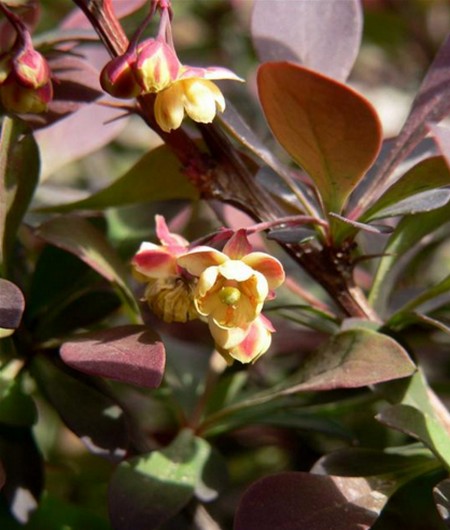
How to make a purple-leaf barberry bonsai? Detailed method
Purple-leaf barberry is an important colored-leaf shrub in landscaping, often combined with golden-leaf privet and big-leaf boxwood to form color blocks, color bands and pattern flower beds. Purple-leaf barberry balls can be planted beside roads or dotted in lawns. In addition, purple-leaf barberry is also a good material for making bonsai. Because it is relatively shade-tolerant
-
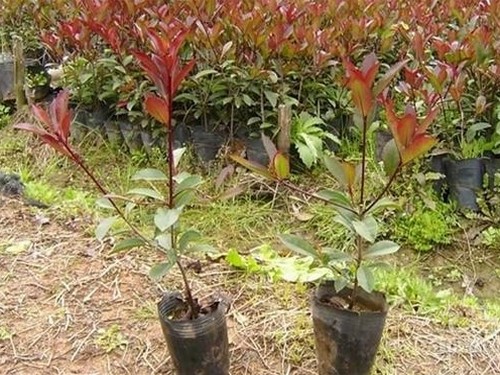
Detailed Guide to Making and Managing Red-Leaf Barberry Bonsai
Red-leaf barberry blooms with yellow flowers in spring and bears red berries in autumn; it is an ornamental shrub beautiful in leaf, flower and fruit alike. It is suitable for use in gardens as a flowering hedge, planted in groups at the corners of garden paths, edging large flower beds, or pruned into symmetrical spherical shapes for companion planting. It can also be dotted among rocks or beside ponds. It can also be made into bonsai; widely used in landscaping, it delivers excellent greening results.
-
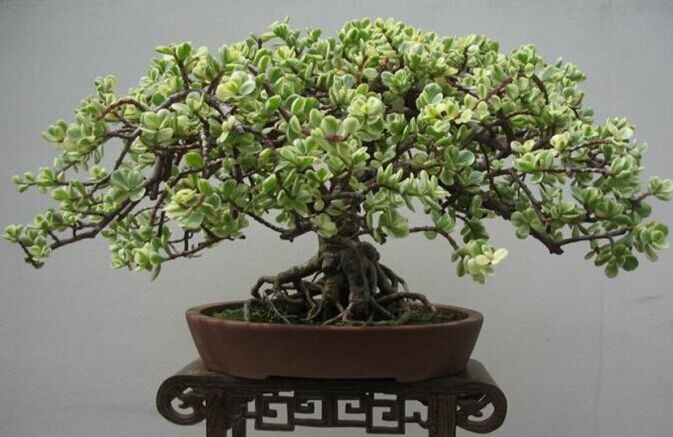
How to make a jade leaf bonsai? Detailed production method shared
When the plant propagated by layering has basically taken shape after one year of cultivation, it enters the bonsai-making stage. Bonsai making can be carried out in all four seasons of the year, and based on the thickness of the plant material's stem, its appearance, the unevenness of the branches, and their attachment positions, you can decide whether to make a single-trunk style or a double-plant or multi-plant combined planting style.
-
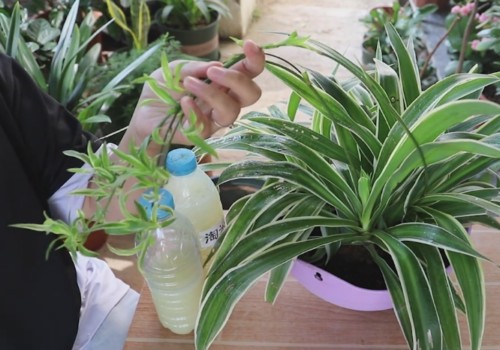
What to do when spider plant leaf tips turn yellow? Find the cause and solve it easily
Spider plant is an evergreen flowering plant that many people see as very lively, and in my eyes it is also very easy to care for. Since spider plant is not only highly ornamental but also strong at purifying the air, keeping it as a potted plant indoors is very good. However
条件筛选