What causes kiwifruit leaf drop
Kiwifruit is a relatively common fruit, and its nutritional value is very high. It is rich in nutrients and is welcomed by many people. Therefore, there are now also a great many people growing kiwifruit. However, when growing kiwifruit, the phenomenon of kiwifruit leaf drop often occurs. So what is going on with kiwifruit leaf drop? Below, the editor will give everyone a brief introduction. Let's take a look together!
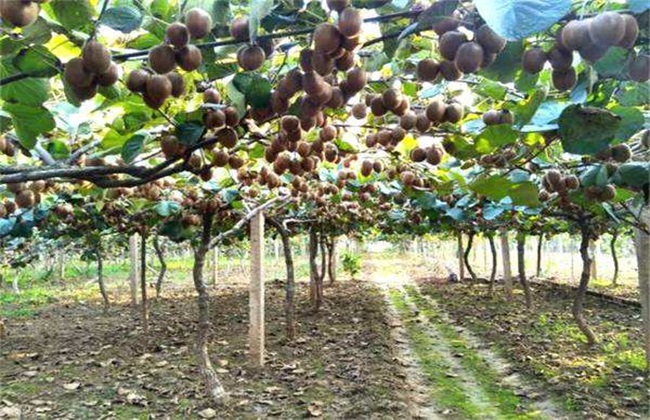
1. High temperature and drought
High temperature and drought are one of the main causes of kiwifruit leaf drop. Because kiwifruit under high temperature and drought conditions has enhanced respiration, and water evaporation also speeds up, the leaves are prone to water loss. And once the kiwifruit tree does not have enough water to replenish the evaporated water, the leaves will show water-loss wilting, leading to scorched, withered and fallen leaves, etc. So we must pay attention to weather changes, do a good job of watering, and meet the water needs of kiwifruit. If heavy rain falls on the soil after a long drought, it will also cause kiwifruit leaf drop, so we must also pay close attention.
2. Improper pruning
Pruning is an indispensable management task when growing kiwifruit. Reasonable pruning is the key to improving the ventilation and light penetration of kiwifruit trees. If pruning is unreasonable, causing the leaf canopy layer to be too dense or pruning to be excessive, it will affect the photosynthesis of kiwifruit trees. This causes excessive nutrient consumption in the kiwifruit tree, and the leaves fall off due to lack of nutrients. Therefore, we must do a good job of pruning, improving the ventilation and light penetration inside the tree body through summer pruning, autumn pruning, etc. Properly thin branches and remove leaves, maintain a reasonable fruit-setting rate, etc., and enhance the growth vigor of kiwifruit trees.
3. Too much water
Too much water is also very unfavorable to the growth of kiwifruit trees. If there is too much soil moisture, it will reduce the permeability of the soil, causing the root system to lack oxygen and be unable to breathe. This reduces the nutrient absorption capacity of the leaves, and at the very least the fruit will snatch nutrients from the leaves in the middle and lower parts of the tree body, thereby causing the middle and lower leaves to drop. And if it is in rainy weather for a long time, then the photosynthesis of the leaves will also be affected as a result, inhibiting the kiwifruit tree's own production of nutrients and speeding up the leaf drop phenomenon. So we must pay attention to controlling the amount of watering, and do a good job of clearing the orchard and plowing after the fruit is harvested. When the rainy season arrives, ditches should be opened in time for drainage to avoid water accumulation.
4. Other reasons
If the kiwifruit tree sets too much fruit, it will affect leaf function, thereby causing the leaves to age faster. Therefore, the fruit-setting amount must be reasonably controlled to avoid consuming too many nutrients. Then there is fertilizer damage and pesticide damage. Fertilizer damage and pesticide damage usually cause the leaves of kiwifruit trees to be burned. This causes the leaves to turn black, dry up, drop, and so on. Therefore, we must control the amount of fertilizer and the amount of pesticide used to avoid fertilizer damage and pesticide damage. Finally, there are also reasons such as pests and diseases that can cause kiwifruit leaf drop, so everyone must pay close attention.
The above is a brief introduction to what is going on with kiwifruit leaf drop. That is all for today's introduction. This article is for reference only, and we hope it can help everyone!