How to prevent leaf drop during the kiwifruit harvest period
Kiwifruit, as a very popular fruit in China, is grown over a large area. When growing kiwifruit, all the basic tasks require our close attention. Especially when harvesting kiwifruit, if the harvest is done improperly, the kiwifruit vines are highly prone to leaf drop at harvest time. So how can leaf drop be prevented during the kiwifruit harvest period? Let's take a look together below!
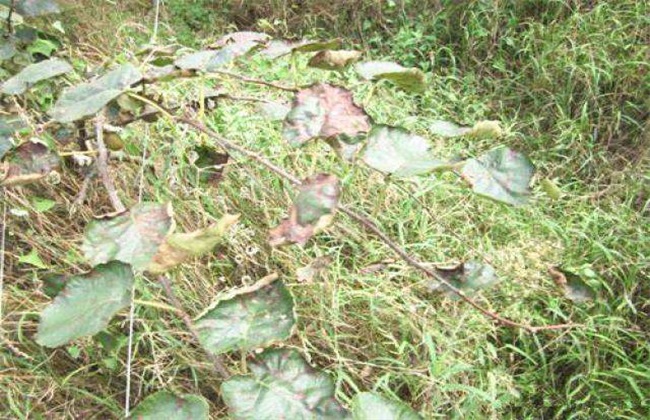
1. Pest and disease control
Pests and diseases are a major factor in leaf drop occurring during the kiwifruit harvest period. Therefore, if you want to prevent leaf drop during the harvest period, pest and disease control work is essential. Among the common diseases during the kiwifruit harvest period is leaf drop disease, and the main cause of leaf drop disease is brown spot disease, black spot disease and other diseases. Therefore, after harvesting the fruit, we should spray promptly to disinfect, and can use agents such as procymidone and mancozeb for control. Among the common pests is scale insect; the scales should be wiped off by hand promptly, and then a scale-killing agent should be sprayed for control.
2. Spraying foliar fertilizer
When harvesting kiwifruit, if leaf drop is severe, the impact on the growth of the kiwifruit vines is very great. Because leaves are the key material by which kiwifruit vines produce nutrients, the leaves also directly affect the nutrient accumulation within the kiwifruit vines. This will have a relatively large impact on both the quality of the kiwifruit in the current year and the yield in the following year. Therefore, after harvesting the fruit, we should combine this with pest and disease control work and promptly spray foliar fertilizer once to do a good job of protecting the leaves. For the foliar fertilizer, an appropriate amount of urea or potassium dihydrogen phosphate aqueous solution and similar substances can be used.
3. Applying base fertilizer
In order to improve the nutrition within the kiwifruit vines, after harvesting the fruit we should also apply sufficient base fertilizer. First, within about one month after fruit harvest, carry out deep plowing and hole expansion work, then increase the application rate of organic fertilizer. Usually the fruit harvest time is generally in October each year, and the amount of base fertilizer should be maintained at about 55% of the total annual fertilizer amount. Sufficient base fertilizer must be ensured to help the kiwifruit vines overwinter safely and improve the yield and quality of the fruit in the second year. Under normal circumstances, about 60-70kg of farmyard manure should be applied per plant, or the amount of farmyard manure can be reduced and an appropriate amount of cake fertilizer and phosphate fertilizer added.
4. Water management
When harvesting the fruit, because most of the nutrients of the fruit tree leave the tree along with the fruit, the fruit tree is in a state of nutrient deficiency and relative weakness. At this time, if water accumulates in the soil and affects the absorption of nutrients and water by the tree roots, then it will cause severe leaf drop in the kiwifruit vines. Therefore, we should appropriately widen and repair the drainage ditches, enlarge the bed ditches, and improve the drainage of the orchard. Ensure that accumulated water can be drained promptly after rain; usually the depth and width of the bed ditches should be maintained at about 80*50cm. Each bed ditch should remain connected, and an appropriate amount of rice straw should be laid down.
The above is a brief introduction to how to prevent leaf drop during the kiwifruit harvest period. That is all for today's introduction. This article is for reference only. Thank you for your reading and support.