What causes leaf curling in ginseng fruit and how to prevent and control it
Leaf curling is a fairly common phenomenon in ginseng fruit production, especially after the plant enters the fruiting stage, when leaf curling becomes particularly severe. Generally, only the leaf edges curl upward when it occurs, and in severe cases the leaves roll into a tube shape. Leaf curling not only prevents ginseng fruit from carrying out normal photosynthesis, but also leaves the fruit without leaf cover, making it highly prone to sunscald, which seriously affects fruit quality and market value. So what causes leaf curling in ginseng fruit? How should it be handled? Let's take a look together.
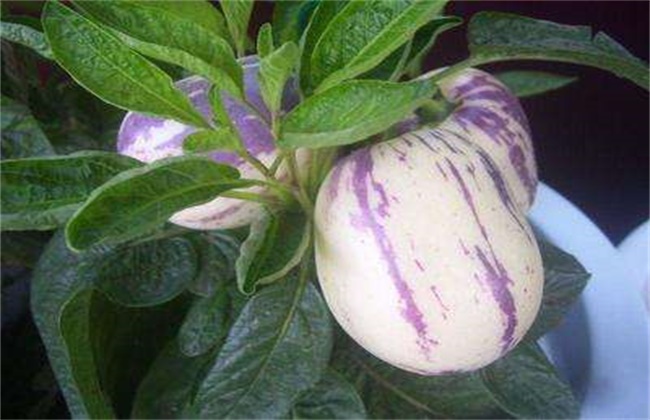
I. Causes of leaf curling in ginseng fruit
1. When the soil is short of water and drought-stressed, and the water supply is insufficient, the leaves consume more water through transpiration and cannot replenish it, so leaf curling occurs.
2. In summer, strong sunlight often causes the leaf temperature to rise considerably, leading to faster water loss from the leaves, which also causes leaf curling. Therefore, ginseng fruit cultivated in summer is relatively prone to leaf curling.
3. When the plant bears a large fruit load and fruit thinning is not carried out in time, the ratio of fruit to leaves becomes imbalanced. A large amount of nutrients is used for fruit growth, and the leaves also curl due to nutrient deficiency. In addition, leaf curling is also likely to occur when pinching is done too early or too few leaves are left when pinching.
4. After using fruit-setting hormones, the fruit's growth vigor increases, and its competition with the leaves for nutrients also strengthens. If fertilizer and water are not supplemented in time at this point to ensure the normal needs of the leaves, it will inevitably cause premature leaf aging, resulting in leaf curling.
5. During pest and disease control, weeding and fertilization, improper operation that causes phytotoxicity or fertilizer burn to the plant will all lead to leaf curling in ginseng fruit.
II. Control measures
1. Generally, ginseng fruit varieties with small, thick leaves have stronger resistance to leaf curling, so this type of variety can be selected for production.
2. During high-temperature periods, temperature regulation should be strengthened to avoid leaf curling caused by excessively high temperatures. Try to keep the temperature from exceeding 30 degrees; once it exceeds 30 degrees, it will be detrimental to the growth and development of ginseng fruit.
3. During cultivation, plant at a reasonable density and close the rows before midsummer to avoid strong light hitting the ground, which causes rapid soil water evaporation and insufficient water supply.
4. Plastic film mulching cultivation can be adopted. Plants grown this way have strong growth vigor, high fertilizer and water use efficiency, and are less prone to leaf curling.
5. When spraying foliar fertilizer and pesticides, be sure to pay attention to the concentration and timing. Prepare the pesticide and fertilizer strictly according to the required concentration. It is not advisable to spray fertilizer or pesticide at noon under strong sunlight.
The above is an introduction to the causes of leaf curling in ginseng fruit and the control measures. We hope it can help you. If you want to learn more related knowledge, please stay tuned to us.