Detailed Explanation of the Causes of Passion Fruit Leaf Curling and Prevention and Control Methods
Passion fruit is one of the more popular fruits on the market at present, with relatively high economic benefits. However, during the passion fruit planting process, leaf curling often occurs, seriously affecting passion fruit yield and reducing planting benefits. So what causes passion fruit leaf curling? How should it be prevented? Let's find out together.
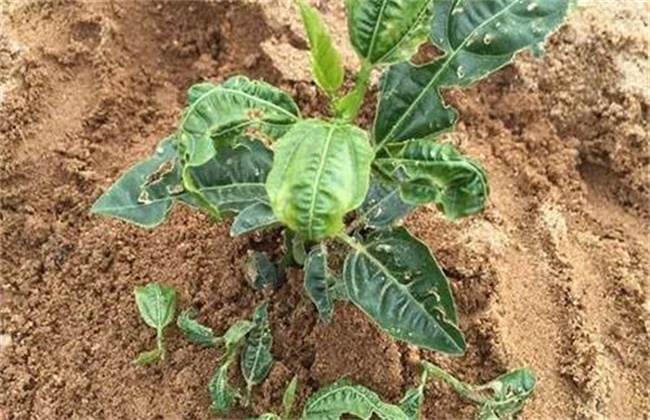
1. High temperature effects
When the temperature is above 30 degrees, it will affect the growth of passion fruit. If high temperatures above 35 degrees persist, it will intensify leaf transpiration, causing the transpiration rate of the leaves to exceed the water absorption rate of the root system. This very easily leads to plant dehydration, the leaf stomata are forced to close, and the leaves appear dehydrated and curled.
Prevention and control methods: Take good care of the roots and improve the absorption capacity of the root system. At the same time, water and fertilize reasonably to avoid the soil becoming too dry. It is not advisable to water and fertilize at noon during the day, as this will worsen the leaf curling. When leaf curling occurs severely, brassin can be sprayed to relieve the symptoms.
2. Rainy season effects
After the plants are planted, if the soil is too dry, and then when the rainy season comes with excessive rain, the root system remains soaked for a long time, which will inhibit leaf transpiration. The leaves will curl backward as a self-protection response. If the rainy season lasts too long, the branches and leaves become dense, photosynthesis is weak, and this can also cause nutrient imbalance in the stems and leaves, resulting in leaf curling.
Prevention and control methods: During the seedling stage, water reasonably during drought, do a good job of water conservation and harvesting, and avoid excessive soil drought after planting. After drought, flood irrigation should not be used. In addition, during the rainy season, drainage measures should be well implemented, and root care should be done well to reduce the occurrence of leaf curling.
3. Pesticide damage
When summer temperatures are too high and the concentration of pesticides is not paid attention to during use, pesticide damage can occur, causing discoloration or small spots on the leaf surface, and the leaves will also curl upward. In addition, when adjacent fields use herbicides for weed control, they very easily drift with airflow, causing pesticide damage to passion fruit and inducing upward leaf curling.
Prevention and control methods: When spraying pesticides in high summer temperatures, reduce the concentration. Once pesticide damage occurs, promptly spray water or brassin to relieve it. Generally, for leaf curling symptoms, the growing tips can be pinched off in time or the damaged branches and leaves can be cut off, or Bihu can be sprayed and organic fertilizer added, which will produce better results.
4. Fertilizer damage
Fertilization can achieve higher yields, but improper fertilization will cause root burn and leaf curling and withering. Too much nitrogen fertilizer, especially excessive application of nitrate nitrogen, will increase the concentration of the soil solution, causing passion fruit leaves to turn over and curl upward. When there is too much ammoniacal nitrogen fertilizer in the soil, the leaves will bulge, and the small leaves will appear inverted and boat-bottom shaped.
Prevention and control methods: Fertilize reasonably, especially control the application of nitrogen fertilizer. Pay attention to fertilizer and water management and the reasonable combination of fertilizers. Especially during the rainy season, in order to prevent excessive plant growth, nitrogen fertilizer application should be controlled even more. Multiple micronutrient fertilizers can be used and mixed with other fertilizers. Multiple micronutrient fertilizers can be used and mixed with other fertilizers to ensure sufficient fertilizer and water supply for passion fruit during the flowering and fruiting period.
The above is an introduction to the causes of passion fruit leaf curling and prevention and control methods. We hope it can help you. If you want to learn more related knowledge, please follow us.