-

Why Are Orchid Leaf Tips Turning Brown and Withered? Causes and Control Methods
Orchid leaf tip scorch is one of the common and frequently occurring diseases. It damages the integrity of the orchid leaves, affects their ornamental value and economic value, and also seriously affects the healthy growth of the orchid plant, and may even endanger the life of the plant. After years of practical exploration, it is believed that
-
Symptoms, Identification and Control of Lily Leaf Scorch
Lily, also known as Qiangshu, Fanjiu, Shandan, Daoxian, Chongmai, Zhongting, Moluo, Chongxiang, Zhongfenghua, Baihesuan, Dashifusuan, Suannaoshu, Yehehua and so on, is a perennial herbaceous bulbous plant of the genus Lilium in the family Liliaceae, native to China, mainly distributed in Asia
-
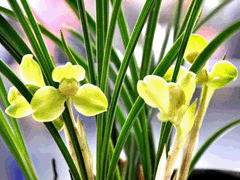
Causes and Prevention Methods of Orchid Leaf Tip Scorch
Causes and Prevention of Orchid Leaf Tip Scorch
-
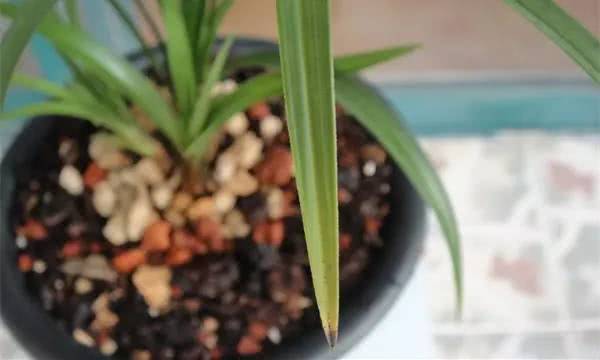
Orchid leaf tips always scorched yellow? So these are the reasons
Orchid tip scorch is a very common orchid disease. Although this problem does not have much effect on the normal growth of orchids, after all, scorched tips are still unsightly and will greatly reduce the ornamental value of orchids, and it is exactly this point that makes...
-
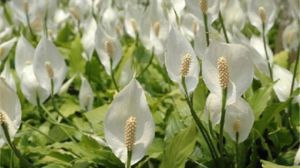
Peace lily leaf tips look scorched: causes and solutions
There are many reasons why peace lily leaf tips look scorched: if it is caused by overwatering, raise the pot and place it in a ventilated spot; if it is caused by too much light, move it to a spot with indirect light; if it is caused by excess fertilizer, reduce the frequency of fertilizing; if it is caused by pests or diseases, promptly remove the diseased leaves and spray with pesticide.
-
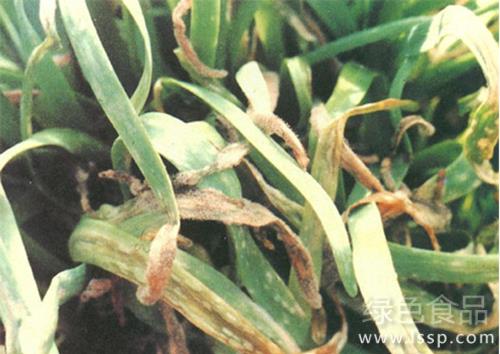
After mold appears on the leaves of Chinese chives, the whole leaf withers and scorches. How should gray mold be prevented and controlled?
Prevention and control methods for Chinese chive gray mold, where the whole leaf withers and scorches after mold appears on the leaves
-
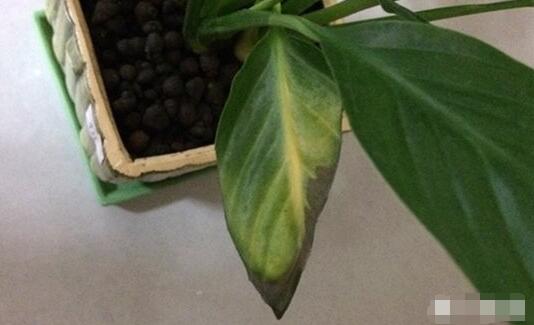
What to Do When Peace Lily Leaf Tips Look Scorched? Identifying the Four Causes Is Key
The leaves of the peace lily are oval or lanceolate, and under normal conditions both ends should be emerald green. However, some flower lovers have encountered the situation where the leaf tips of their peace lily look scorched, which has caused some of them great worry. Experts believe there are four main causes.
-
Leaf scorch on Japanese aralia (Fatsia japonica), spotted laurel (Aucuba japonica 'Variegata'), and rhododendron
Japanese aralia and spotted laurel are shade-loving plants that cannot tolerate strong sunlight. The scorching sun of midsummer often severely burns their young leaves, causing the young leaves to curl, turn yellow, and wither, or the leaves to scorch, seriously affecting plant growth. Certain pathogenic fungi then seize the opportunity to invade, further causing infectious diseases, and now fungal fruiting bodies can be seen on some of the lesions. Rhododendron is a semi-shade-loving plant, and the cause of its leaf scorch is similar to the above. Young leaves are more severely affected, and this disease causes a large amount of abnormal leaf drop in the plants. Control methods: (1) Because midsummer often brings sudden, relatively strong wind and rain,
-
What are the symptoms of apricot leaf marginal scorch?
Apricot leaf marginal scorch is a common physiological disease of apricot trees. It occurs in all apricot-producing regions, and is more severe in the north. Apricot leaf marginal scorch only harms the leaves. Symptoms generally appear first at the leaf margins; in the early stage the margins dry up, and sometimes the dried portions fall off. The lesions gradually spread inward, with a clear boundary between the affected edge and the healthy part. Severely affected leaves curl upward toward the upper surface, and often drop early.
-
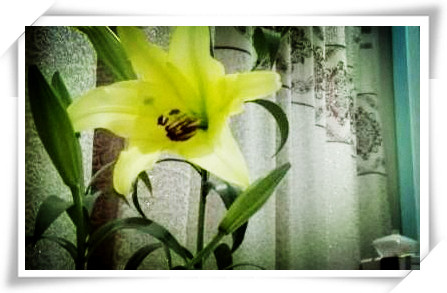
Symptom Identification and Control Methods for Lily Leaf Scorch
Lily, also known as Qiangshu, Fanjiu, Shandan, Daoxian, Chongmai, Zhongting, Moluo, Chongxiang, Zhongfenghua, Baihesuan, Dashifusuan, Suannaoshu, Yehehua and so on, is a perennial herbaceous bulbous plant of the genus Lilium in the family Liliaceae. It originated in China and is mainly distributed in temperate regions of the Northern Hemisphere, including eastern Asia, Europe and North America
条件筛选