What are the dangers of using chicken manure as fertilizer? Farmers should know this in advance
[Introduction]
Once upon a time, chicken manure was the obvious choice for organic fertilizer thanks to its rich nutrient content, but in recent years various problems caused by applying chicken manure have been found, and they cannot be ignored.
According to research, fresh chicken manure has an organic matter content of about 25.5%, and it also contains the major elements crops need.
Measurements show that chicken manure contains 2.38% nitrogen, 2.65% phosphorus, 1.76% potassium and 0.46% magnesium oxide.
100 kg of chicken manure is equivalent to the effective components contained in 3.5 kg of urea, 8.2 kg of superphosphate and 3.4 kg of potassium sulfate respectively, and at the same time the fertilizer takes effect faster than ordinary organic fertilizer, making it deeply popular with growers.
In fact, organic fertilizer made from chicken manure as a raw material is also very common abroad, but the process of making it into organic fertilizer requiresabout 6 rounds of fermentation. Yet most planting bases in China basically just do simple fermentation.
Chicken manure must be decomposed before use
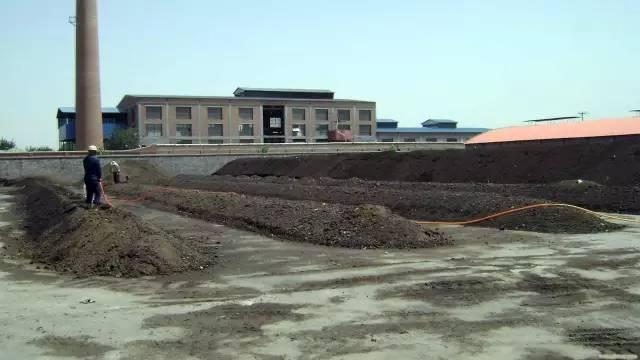
In recent years, because the treatment is too simple, the use of chicken manure has also brought quite a few side effects.
Surveys have found that continuously using chicken manure that has not been fully fermented or decomposed and applying it directly to fruit and vegetable bases brings great harm to large bases:
1. Root burn, seedling burn, plant fumigation, dead plants
In serious cases, whole patches or an entire greenhouse die, farming seasons are missed, and labor costs and seedling investment are lost. The safety risk is greatest when chicken manure is applied in greenhouses in winter and spring;
2. Salinization of the soil in the greenhouse, fruit fails to size up
With years of continuous use of chicken manure, a large amount of sodium chloride salt remains in the soil; on average every 6 cubic meters of chicken manure contains 30-40 kg of salt.
And 10 kg of salt per mu of land already severely restricts soil permeability and activity, solidifies phosphorus fertilizer, potassium fertilizer, calcium, magnesium, zinc, iron, boron, manganese and other important elements, causing abnormal plant growth, sparse flower buds, fruit failing to size up and other yield-reducing phenomena, and significantly restricting improvements in crop yield and quality.
Severe soil salinization severely restricts soil permeability and activity
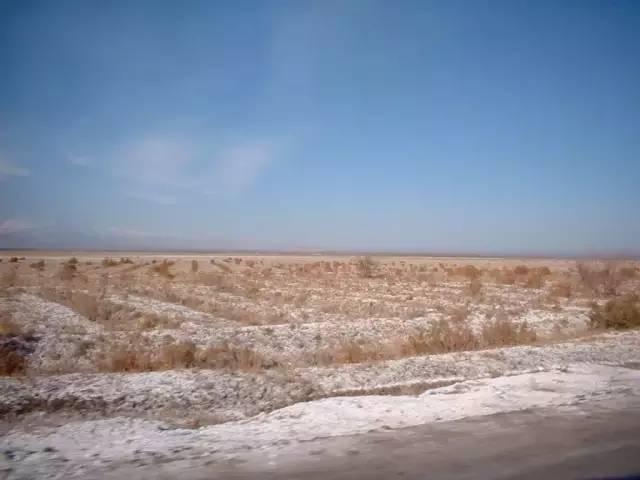
This therefore causes fertilizer use efficiency to fall in a straight line, getting worse year after year, and increases input costs by 50-100%;
3. A large amount of root-knot nematodes breeding
Chicken manure is the camping ground and hotbed of root-knot nematodes; it itself carries 100 root-knot nematode eggs per 1000 grams.
The nematode eggs in chicken manure hatch extremely easily, multiplying by tens of thousands overnight, and the incidence of nematodes in soil is more than 500 times higher in plots with chicken manure.
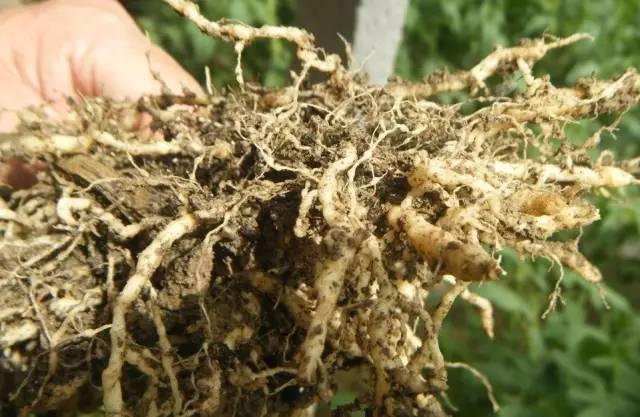
Undecomposed chicken manure also leads to a large amount of root-knot nematodes breeding
4.Inducing various root-zone diseases and viral diseases
Chicken manure causes an imbalance in the carbon-to-nitrogen ratio in the plant body, aggravates soil salinization, and causes the stem base and root tissues to suffer chemical trauma and severe damage.
At the same time it also provides an entry point and infection opportunity for the large number of viruses and pathogens it carries itself, soil-borne disease-carrying bacteria and viruses; once humidity and temperature reach the critical point, disease will break out.
It causes plants to wilt, turn yellow and wither, shrink and stop growing, produce no flowers or fruit, and even die; viral disease, blight, stem base rot, root rot and bacterial wilt have become the most obvious aftereffects of using chicken manure;
----------------------------------------------
For more agricultural information please followLenongbaoWeChat ID: lenongbao
China's most professional agricultural materials C2B platform
Making it so there is no land in the world that is hard to farm!