-

Marigold Planting Methods: Seed Sowing and Seedling Raising, Water and Fertilizer, and Key Points for Pest and Disease Control
How do you grow marigold (Tagetes patula)? This article introduces the seed sowing and seedling raising methods for marigold, suitable temperature and humidity, watering and fertilizing techniques, and key points for controlling pests and diseases such as brown spot and red spider mite, to help you easily grow marigold well.
-
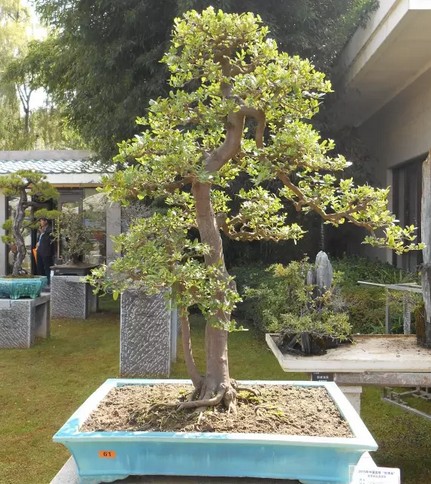
Detailed Explanation of the Key Technical Points for Formal Upright Bonsai Styling
The styling characteristic of the formal upright style is a trunk that is upright or basically upright, belonging to the tall and vigorous tree type, and is also the basic tree form of arbor species. (1) Selecting the planting material. An excellent planting material should have the following characteristics: (1) A perfect root spread. (2) A rugged, upright trunk base. (3) A trunk of moderate thickness, becoming progressively thinner toward the top.
-
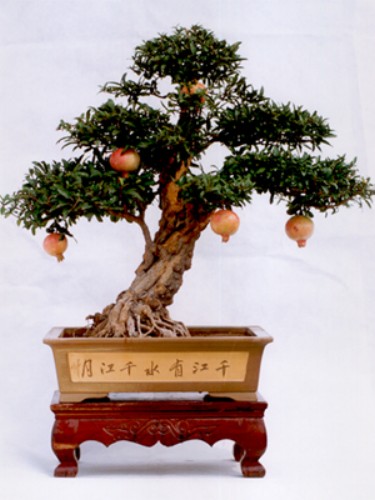
Detailed Explanation of the Key Points of Pomegranate Bonsai Shaping Techniques
Currently, pomegranate bonsai are in high demand in the flower market. Judging from market trends, pomegranate bonsai with attractive shapes sell quickly despite their high prices. Of course, good quality certainly comes from good cultivation techniques. Today, the editor of World Factory Modern Agriculture Network brings you a complete guide to pomegranate bonsai cultivation techniques. For thousands of years
-
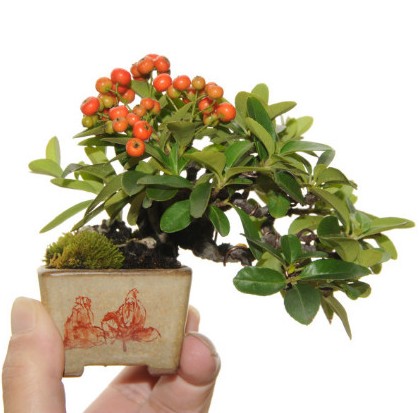
Detailed Guide to Propagating Pyracantha Bonsai from Seed: Master the Key Points to Grow Healthy Seedlings
Pyracantha is distributed across China's Shaanxi, Jiangsu, Zhejiang, Fujian, Hubei, Hunan, Guangxi, Sichuan, Yunnan, Guizhou and other provinces and regions. The genus contains 10 species in total, 7 of which are native to China, and many fine cultivated varieties have been developed abroad. In summer, under the blazing sun, snow-white flowers bloom in profusion. In a courtyard or indoors
-
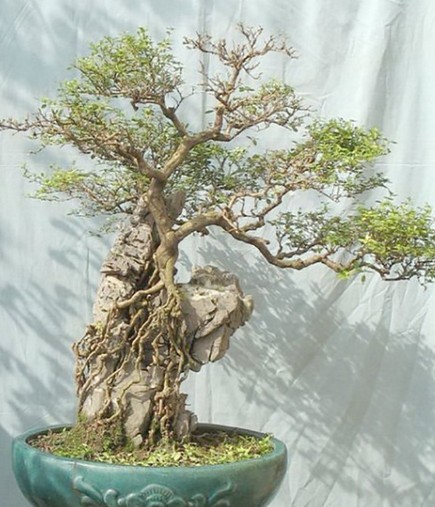
Detailed Explanation of Seedling Cultivation Methods and Technical Key Points for Serissa Bonsai
Serissa bonsai can be propagated by cuttings or division. Division means obtaining new individuals by separating the suckering shoots of Serissa, usually carried out in March in spring. Propagation is mainly by cuttings, and natural old stumps can also be used. Cuttings can use softwood or hardwood. Softwood cuttings are taken in early summer each year
-
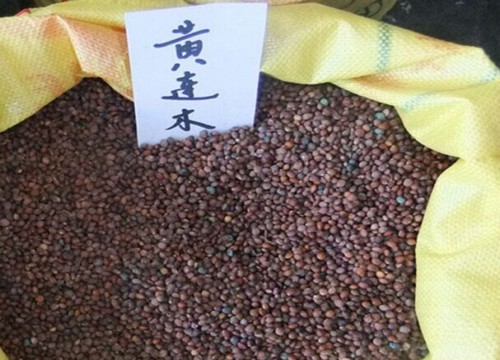
How to grow the trunk of a Chinese pistache bonsai? The key points are here
For growing the trunk of a Chinese pistache bonsai, around the Spring Equinox, dig out robust seedlings that have grown on the seedbed for a full 2 years; when digging, take care to protect the lateral roots and fibrous roots. To ensure the bonsai seedling's growth height does not exceed 80cm, all branches and trunks above 50-60cm on the newly dug seedling should be cut off
-
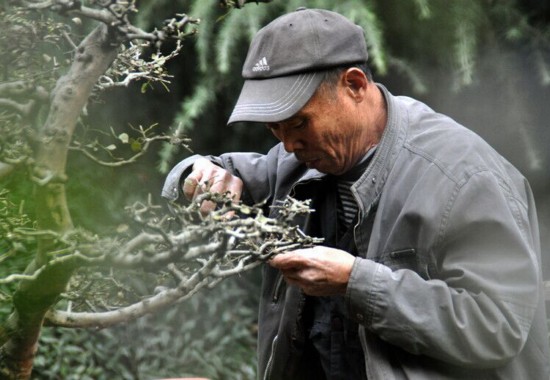
Detailed Explanation of the Key Points of Stump Bonsai Pruning Techniques
Stump bonsai is a living work of art created by planting old woody plants in pots and, through years of artistic processing such as pruning, wiring and fertilizing, along with meticulous management, giving the trunk rugged strength and the branches and leaves lush green foliage. It does not take its final form from the initial artificial styling, but instead grows and changes continuously according to natural laws, therefore
-
How to shape and maintain the form of mixed-wood bonsai? Detailed explanation of the technical key points
Chinese bonsai is divided into northern and southern styles. Lingnan bonsai is mainly based on mixed-wood species, and its branch-cultivation and trunk-chopping techniques, along with its theoretical maturity, have produced one group of famous masters and masterpieces after another. Their success will be forever recorded in history and praised by the world. Thanks to the efforts of Lingnan bonsai practitioners
-
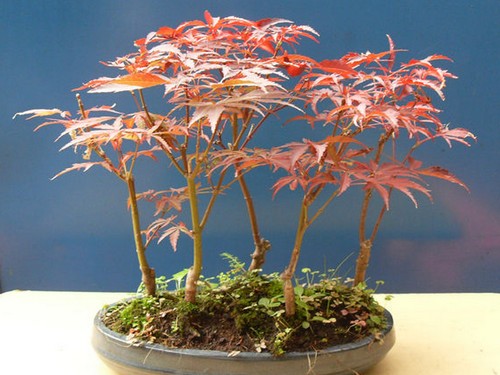
What are the key points of the seedling-raising technique for red maple bonsai?
Red maple is a precious foliage tree, so it is often grown as a potted plant for appreciation. For potting, use 2 parts garden soil and 2 parts leaf mold, plus 1 part sand to make the growing medium. Japanese red maple is transplanted in February to March; when transplanted during the growing season, the leaves must be removed and a soil ball kept around the roots. For routine watering, keep the soil alternately dry and moist, and prevent it from becoming too dry or too wet.
-
How to prune fruit tree bonsai? A full analysis of the technical key points
Fruit trees grown in pots put on a relatively large amount of growth each year, and if left to grow unchecked, their fruiting is also hard to control. To maintain a perfect, compact tree shape and effectively control growth and fruiting, pruning must be carried out several times a year. By pruning period, it can be divided into dormant-season pruning (winter pruning) and growing-season pruning (summer pruning)
条件筛选