-

Key Beekeeping Techniques for Chinese Honey Bees Building Comb
Chinese honey bees love new comb and dislike old comb. When keeping Chinese honey bees, be sure to seize the right moment to build new comb, so that new comb is used year-round. For Chinese honey bees to build comb, pay attention to the following st...
-

Detailed Explanation of Key Points for Storage and Fresh-keeping Techniques of Peaches, Plums and Apricots
Peach, plum and apricot (including cherry) fruits all contain a hard stone and belong to the drupe category of fruits, sharing common characteristics in fruit development and postharvest physiology. It is precisely because the fruit contains a hard stone that a double-S growth curve appears during growth. Peach, plum and apricot fruits have high respiration intensity; all have a respiration peak, so they all belong to the climacteric type of fruit, which determines that they have basically similar storage, transport and fresh-keeping technical measures. However, as tree species and varieties differ, the storage, transport and fresh-keeping techniques adopted also differ. Peaches and plums generally
-
Detailed Explanation of Pear Storage Characteristics and Fresh-keeping Techniques
Pear is one of the three major fruits in our country, and its output ranks first among the three major fruits. Its deep-processing volume is limited, and its rot rate is high. In order to extend market supply, storage and fresh-keeping should be done well in combination with its variety characteristics, reducing urban biological waste and providing a guarantee for generating income in the pear industry. I. Biological Characteristics Pears are composed of fruit, core, and seeds. The growth process of pear fruit follows an S-shaped growth curve. In the early stage, cell division and embryo growth are dominant, and volume increases slowly. In the later stage, the fruit grows rapidly. The increase in the 40 to 50 days before harvest is about 10 times the growth amount of the early stage.
-
Winter Storage Methods and Fresh-Keeping Techniques for Napa Cabbage
Winter Storage Techniques for Napa Cabbage
-
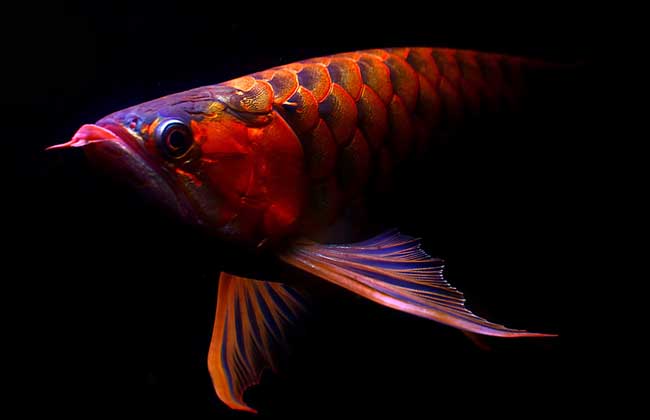
How to Best Keep Red Arowana? Detailed Guide to Keeping Methods and Techniques
How to Best Keep Red Arowana?
-
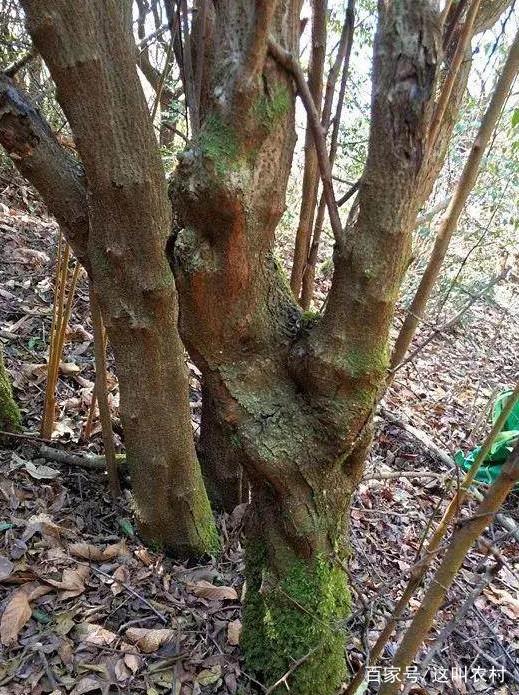
A real-life example of keeping a wild-dug stump alive by hand, teaching you bonsai care techniques
Finding a good batch of firethorn, I felt a surge of joy in my heart. There are plenty of firethorn on New Year's Eve, but it is not so easy to come by; sometimes it often takes a whole day, one mountain after another, and it can be described as a thousand hardships, and you still cannot catch up with it...
-
Common pests and diseases of magnolia and orchid planting, fresh-keeping, storage and transportation techniques
Common pests and diseases of magnolia and their control techniques
-
Broccoli Fresh-keeping Processing Methods and Edible Mushroom Cultivation Techniques
Broccoli Fresh-keeping Processing Methods
-
Beekeeping Techniques: How to Replace the Queen Twice a Year
In southern Anhui, spring breeding begins in early to mid-January and ends in mid-to-late October after wintering bees are raised. The breeding period lasts as long as 10 months, and the queen is prone to aging, especially after the high-temperature summer period...
-
Detailed Explanation of Key Points for Potato Storage and Fresh-Keeping Techniques
Potatoes are a vegetable with a dormancy period. In summer, heap storage does not require refrigeration or cooling, but it is necessary to prevent heat buildup in the heap. The specific method is: pile undamaged, high-quality tubers in a well-ventilated room or ventilated storage warehouse, with a heap height not exceeding 0.5 m. To prevent the tubers in the heap from overheating, set up a ventilation tube every 1 m. If they are packed in baskets and stacked into piles, it is best to stack them in a "#" shape to facilitate ventilation. During storage, regularly turn and inspect them, promptly remove infected tubers, and prevent the spread of pathogens. To prevent the tubers from sprouting during storage, a certain amount of
条件筛选