-

Is Baby's Breath Toxic? A Detailed Guide to Indoor Keeping and Planting Methods
Baby's breath is generally used as a filler in floral art, but it is actually quite a beautiful flower, and many flower lovers have probably grown it. So is baby's breath toxic? Is it suitable for growing indoors? How do you plant baby's breath? Is baby's breath toxic? 1. It is non-toxic. Baby's breath is often used to decorate bouquets
-

How to do artificial swarming in beekeeping? A detailed guide to the methods
Artificial swarming means taking several honey-and-pollen combs, brood combs, and adult-bee combs from a colony to form a new colony. After artificial swarming, by the main honey flow...
-
Common freshwater ornamental fish keeping methods and tips for selecting goldfish
Whether it is sociable: any fish that swims alone away from the group may be sick | no matter how good its color is, it should not be chosen. You can only select from the group | choose those that swim while looking for food and staying close to...
-

Harvesting, Storage, Fresh-keeping and Processing Methods of Taro
Taro is a perennial herbaceous hygrophytic plant of the Araceae family, native to China, India, the Malay Peninsula and other places. At present, in China it is mainly distributed in South China, Southwest China...
-
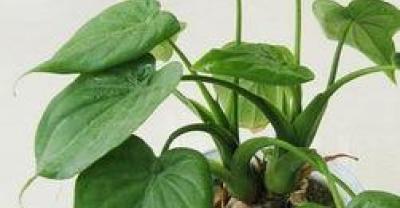
How to keep the Snow Cichlid? Common freshwater ornamental fish keeping methods
Origin and distribution of the Snow Cichlid: Lake Tanganyika, Lake Malawi, and Lake Victoria in Africa | artificially improved variety. Morphological characteristics: adult Snow Cichlid body length 12-26 cm...
-
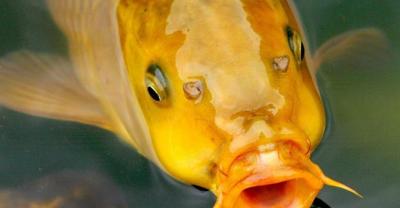
A detailed guide to common freshwater ornamental fish keeping methods
Taisho Sanke: on an overall white base, adorned with red and black markings #A pure Taisho Sanke koi has a pure white base color#It must never contain other mixed colors#Do not...
-
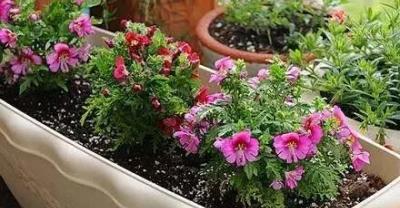
There's a trick to keeping plants alive. 20 years of experience teaches you 4 methods
Without further ado, let's get down to business. Everything has its methods and efficiency. 8 years of plant-growing experience helps you avoid detours and keep your plants alive. 1. Chinese medicine residue as flower fertilizer. Chinese medicine itself...
-
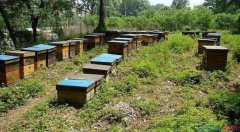
Introduction to Model Beekeeping with the Chinese Honeybee: Beekeeping Techniques Teach You How to Keep Bees
What is model beekeeping like? How good is this beekeeping method? How exactly is model beekeeping done? Let's take a look together. Model beekeeping is currently the most advanced beekeeping technique in China. Model beekeeping saves manpower and material resources, builds strong colonies that do not swarm, and the bees have a particularly strong resistance to wax moths. When the queen's egg-laying ability declines, natural supersedure occurs on its own without human intervention; usually two queens lay eggs in the same hive, rapidly strengthening the colony, greatly increasing honey production, several times or even more than ten times higher than conventional rearing methods.
-

Detailed Explanation of Autumn Rabbit Keeping Epidemic Prevention Methods and Technical Key Points
When domestic rabbits come through the hot summer, their disease resistance declines somewhat. By autumn, they are also in the molting period and the doe kindling period, so epidemic prevention is very important. 1. Vaccine immunization ①Rabbit plague vaccine. The tissue inactivated vaccine currently in use has relatively good effects. Inject 1 ml subcutaneously per rabbit; strong immunity can be produced in 5-7 days, and the immune period reaches 6 months. ②Rabbit plague-Pasteurella bivalent vaccine. Inject 1 ml subcutaneously per rabbit; it can protect against rabbit plague infection for half a year and against Pasteurella infection for 4 months. ③Clostridium welchii type A inactivated bacterial vaccine. Inject subcutaneously per rabbit
-
Storage and Fresh-keeping Methods and Technical Key Points for Japanese Sansui Pears
Cultivars such as Hosui and Golden Pear have won wide popularity among consumers for their excellent flavor, so in recent years Japanese and Korean superior sand pears have made considerable progress in our country, and fruit output has also risen substantially year by year. However, the flesh of these pears is relatively soft, easily damaged during transport, and because their harvest period is short, their storability is poor, and their sales period is too concentrated, it is difficult to supply the market over the long term. How to store and keep them fresh is therefore particularly important. The author hereby introduces Japan's storage and fresh-keeping methods for Sansui pears to everyone for reference. 1. Harvest maturity and
条件筛选