Common freshwater ornamental fish keeping methods and tips for selecting goldfish
Whether it is sociable
Any fish that swims alone away from the group may be sick | no matter how good its color is, it should not be chosen. You can only select from the group | choose those that swim along the bottom of the pond while looking for food# such fish are healthy.

Well-proportioned head and tail
Some fish have uneven tails | crookedly grown tails# such fish are also unsuitable for purchase. Dragon-eye and bubble-eye are named for their eye features# so if their eyeballs are one large and one small# they do not meet the standard. Careful observation will reveal# that many fish do not have eyeballs of equal size. The pompon of the pompon goldfish must be two symmetrical pompons | when purchasing small fish hatched for 4 months, pay attention to the pompons on the head# if the pompons are found damaged# no matter how good they are in other respects, they should not be taken# because damaged pompons# cannot regenerate. For the celestial-eye, if the three rings around the moon are not bright and not golden, it is not good.
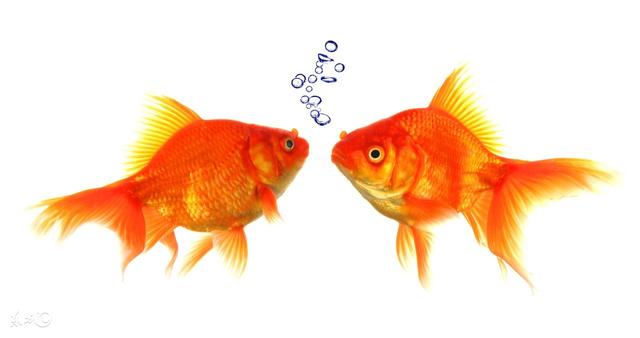
Pure color
If black is desired, do not take dark gray; if crimson is desired, do not take red-yellow or yellow# some red fish have a body color like small carrot color# these are the worst. Some fish have bodies that are half black and half red, or are red with black edges on the fins# as if very beautiful# but in fact# before long this fish's body color will become entirely red# you must have foresight.
Intact scales and fins
After goldfish hatch# during loading, unloading, and transport | some fin rays and scales are easily torn and fall off. The dorsal fin and caudal fin of goldfish are easily broken and split during netting in and out# and the scales on both sides of the abdomen are also easily rubbed off. In red and black fish# after scales fall off# the grayish white of the epidermis is exposed on the body | very easy to distinguish.
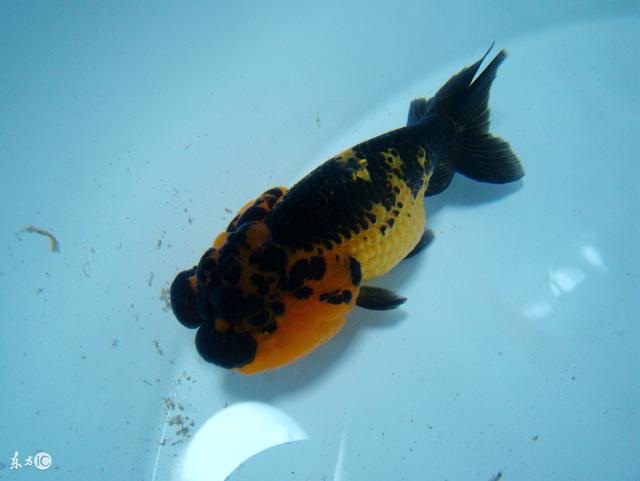
Caudal fin selection
For all varieties with four-open large tails# the middle between the caudal fin and the dorsal fin should be split# forming two paired downward-hanging four tail lobes | when swimming# extremely beautiful^ leisurely. If the middle between the caudal fin and the dorsal fin is not split, this belongs to individual fish that leave the group and always like to have the head up and tail down# floating to the water surface to breathe in and out# this phenomenon is called "floating head" by experts. If the oxygen in the water feels slightly lacking, it cannot stand it | it is very difficult to get through the dog days of summer. This shows that this kind of fish has poor resistance and a poor constitution itself.