Is Baby's Breath Toxic? A Detailed Guide to Indoor Keeping and Planting Methods
Baby's breath is generally used as a filler in floral art, but it is actually quite a beautiful flower, and many flower lovers have probably grown it. So is baby's breath toxic? Is it suitable for growing indoors? How do you plant baby's breath?
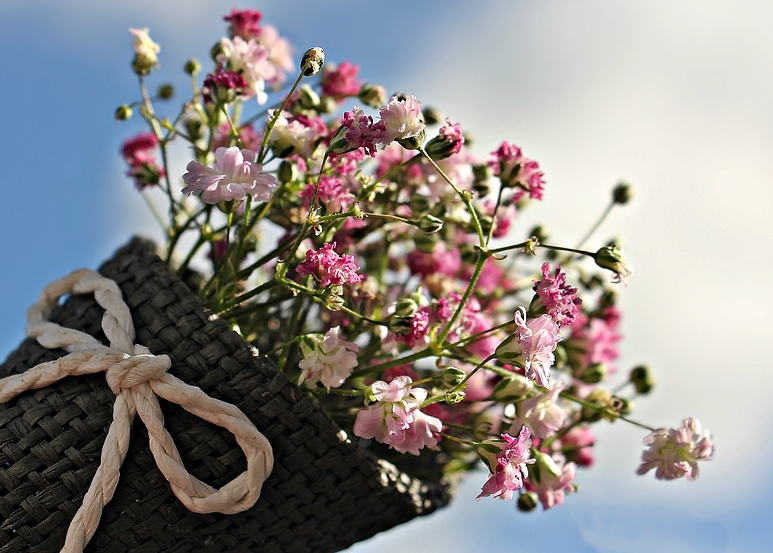
I. Is Baby's Breath Toxic?
1. It is non-toxic. Baby's breath is often used to decorate bouquets, fresh and elegant, and the cut flower is a top-grade material for floral arrangements; after being dried in the shade it becomes a natural dried flower for decoration.
2. Baby's breath is an annual herbaceous plant with many branching stems, lanceolate leaves, and flowers blooming at the tip of each slender branch, numerous like stars in the sky, with a very delicate flower shape. In Western floral design, baby's breath is often regarded as an all-purpose filler, because it can be freely combined with many different types of flowers, without stealing their splendor, while at the same time showing its own elegance and charm and never losing its own style.
3. Baby's breath clears heat and promotes urination, and resolves phlegm and relieves cough. It is used for acute icteric hepatitis, acute nephritis, whooping cough, urinary tract stones, athlete's foot, herpes zoster, conjunctivitis and erysipelas. This product has the effect of dispelling wind and clearing heat; for wind-fire red eyes, it can be used together with mulberry leaf, Androsace umbellata and other medicines; for sore and swollen throat, it can be used together with Achyranthes bidentata, Ajuga nipponensis and the like; to treat snake-like sores, the fresh whole plant can be pounded into a paste, soaked in alcohol for half a day, and then applied to the affected area with a cotton ball.
II. Is Baby's Breath Suitable for Growing Indoors?
1. The temperature suitable for its growth is between 15°C and 25°C, and indoors can fully meet this condition. So from this point of view, there is no problem keeping it indoors.
2. Points to note:
(1) This plant prefers a cool environment, so when growing it indoors you must choose a place with good air circulation, and the temperature must be kept between 15°C and 25°C. When the summer temperature is too high, artificial cooling is needed; in winter the temperature must be maintained above 10°C, otherwise it will not bloom.
(2) During its growing period it needs plenty of sunlight, so choose a spot such as a south-facing balcony for placement.
(3) If someone smokes indoors for a long time, keep the plant as far away as possible, otherwise it will affect the plant's health.
(4) Many homes now keep pets, especially cats, so you must also prevent pets from damaging the plant.
III. How to Plant Baby's Breath
1. Soil sterilization
A beautiful baby's breath can generally fill a pot from just one seed, and the method for planting baby's breath seeds is that we first need to sterilize the planting soil; you can choose to put loose soil in a prepared plastic bag, add a little water, and then heat it in a microwave to sterilize it, or you can choose to heat the soil in a pan to sterilize it at high temperature.
2. Sowing the seeds
Before sowing, we need to first moisten the sterilized soil with water; after the soil is thoroughly watered and no water drips from the soil in the pot, place the prepared seeds on white paper and use a toothpick to sow them evenly one by one. After scattering the seeds, cover the seeds with the prepared loose soil, with the covering amount just enough to cover the planting best.
3. Germinating the seeds
After the seeds are planted, we need to germinate them to promote the rapid growth of baby's breath. We can cover the top of the flower pot with a thin layer of plastic film to keep the seeds warm and moist, and at the same time remember to poke a few small holes in the film. This provides circulating air for the seeds and prevents them from being suffocated.
4. Management after sprouting
Generally we only need to wait 5-7 days to see the baby's breath seeds sprout. After sprouting, we need to manage the seedlings well, placing the potted seedlings in a cool and ventilated place for care, and after they survive, gradually accustom them to light to promote rapid growth.
IV. Key Points for Caring for Baby's Breath
1. Suitable temperature
Baby's breath is a plant that greatly fears heat, and the suitable temperature during the growing period is generally 15-20°C. When planting baby's breath we need to provide it with a suitable temperature, so it is generally sown in spring, while in the south it can be sown in spring and autumn. At the same time we should note that when the temperature exceeds 30°C it will cause baby's breath to grow deformed flowers, and when the temperature is below 10°C it will cause the baby's breath plant to become clustered or dormant.
2. Controlling water
Baby's breath's water needs are divided into two stages: in the seedling stage it has a high demand for water, so we need to water it promptly, generally once a day; during its growth and flowering period, we should reduce watering, generally watering once a week in spring and autumn, once every 2 days in the high summer heat, and about once every 10 days in the low winter temperatures.
3. Plenty of light
Baby's breath is a sun-loving plant, and we need to provide it with plenty of light to promote its growth. In summer we can give baby's breath full sun, generally letting it receive more than 8 hours of sunlight, and take care to prevent scorching. In winter it can receive half-day sun; if the day's light conditions are insufficient, we can also supplement its lighting to promote enough light for it to produce beautiful flowers.
4. Timely pruning
Baby's breath generally grows vigorously, with very rampant growth, so we need to prune it promptly to make its branches and overall shape more beautiful. When we see baby's breath growing too fast and too much, we can choose to cut off the branches that are growing faster and longer, and also take care to prune away diseased leaves and branches, making the potted baby's breath more ornamental.
V. Pest and Disease Control for Baby's Breath
1. Diseases
The diseases of baby's breath are generally leaf spot and root rot. We can choose to spray a 600-fold dilution of 65/100 zineb wettable powder, spraying 2-3 times, to control leaf spot. For root rot, we can choose to use an 800-fold dilution of Root Rot Ling for root irrigation treatment, and at the same time take care to prevent water accumulation in the pot.
2. Pests
The main pests of baby's breath are aphids and snails, which damage the leaves. For aphids we can choose to spray diluted essential balm or neutral laundry detergent for control, and for snails we can choose to spray Mie Wo Ling granules for control.