-
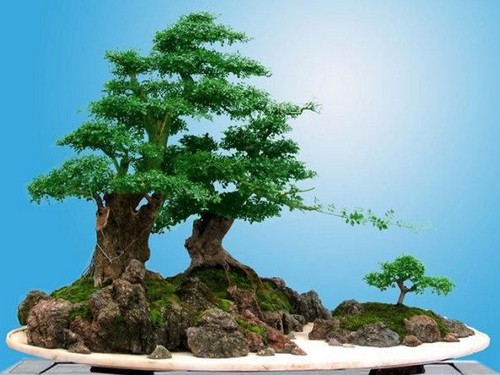
A Detailed Guide to Scientific Fertilization Methods for Chinese Ash (Fraxinus chinensis) Bonsai
During the growing season, apply light fertilizer frequently. To facilitate absorption by the tree and avoid wasting fertilizer solution, it is best to apply once every 5-7 days. Fertilization is generally carried out on a sunny afternoon when the potting soil is on the dry side, and after application, water to rinse the leaves. On rainy days when the potting soil is wet, the tree roots cannot breathe well, and after fertilization the roots do not absorb it easily; in strong sun: even in the hottest days of the dog days of summer
-
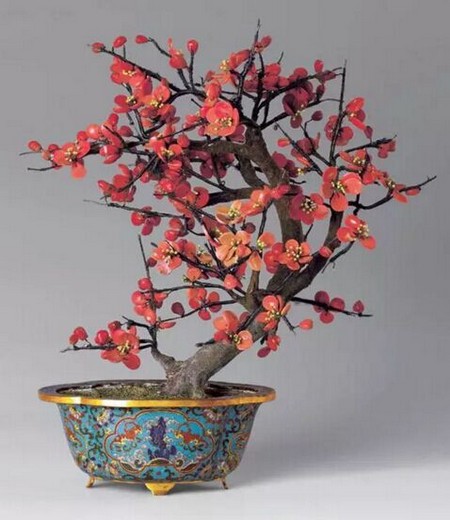
What are the fertilization methods for wintersweet bonsai?
Any plant needs a certain amount of nutrients to be grown well. Although wintersweet can withstand severe cold, fertilizer is something that still cannot be skimped on where it is needed. In fact, wintersweet is a flower that very much likes fertilizer. So when growing wintersweet bonsai, be careful to preferably choose fertile soil
-
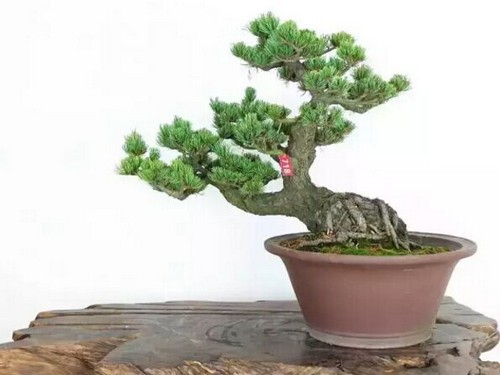
A Detailed Guide to the Correct Fertilization Methods for Pine Bonsai
In the wild, pines mostly grow in barren or high-altitude areas. They are a sun-loving (heliophilous) pioneer tree species, which is to say that pines do not need much fertilizer to grow well. In horticultural cultivation, however, fertilizer is still applied in order to make the trees grow quickly and shorten the cultivation time.
-
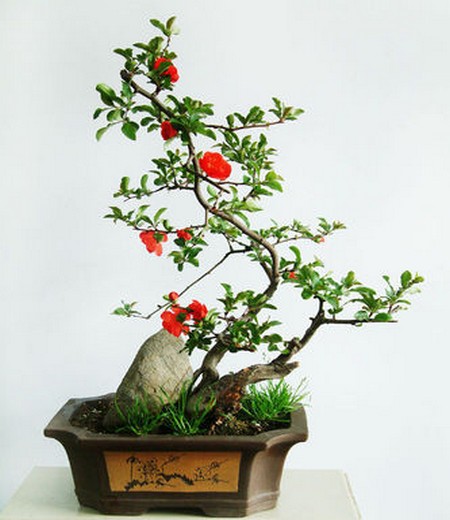
Key Points and Detailed Methods of Fertilization Techniques for Pomegranate Bonsai
Pomegranate is one of the fruits loved by many people. Pomegranate is not only highly nutritious, but the pomegranate tree is also one of the trees people grow for ornamental purposes. So when is the best time to fertilize a pomegranate tree, and what are the fertilization techniques for pomegranates? When to fertilize a pomegranate tree: topdressing must be carried out in a timely manner when the pomegranate tree urgently needs nutrients
-
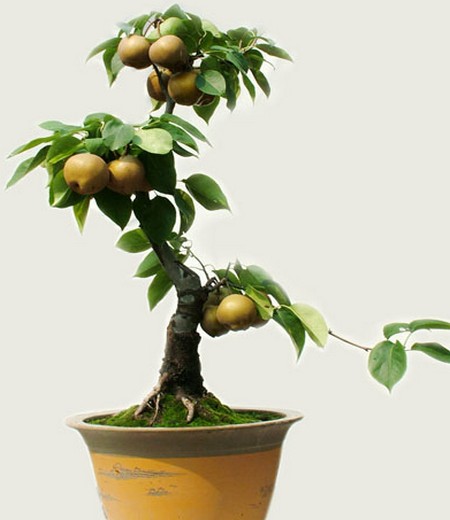
What are the fertilization methods for pear tree bonsai?
Once Awakening of Insects arrives, the weather begins to warm up, and spring thunder gradually appears. Awakening of Insects is the day when heaven awakens hibernating animals with thunder. Starting today, most regions of China begin to enter the spring plowing period. Today, many people are very interested in the topic of eating pears on Awakening of Insects.
-

Master the fertilization methods for edible fungi, preventing green mold is key
Preventing green mold is key in edible fungus cultivation
-
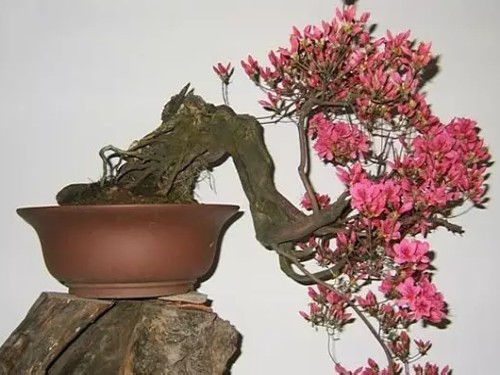
How to fertilize bonsai and flowering plants, and what to do about over-fertilization?
Fertilization should mainly be based on the ecological conditions and biological characteristics of the plants, paying attention to the relative balance of the three major nutrient elements, as well as factors such as soil composition and the characteristics of the fertilizer to decide which fertilizer to use. 1. Choose fertilizer based on its characteristics: fertilizers are divided into organic fertilizers and inorganic fertilizers.
-
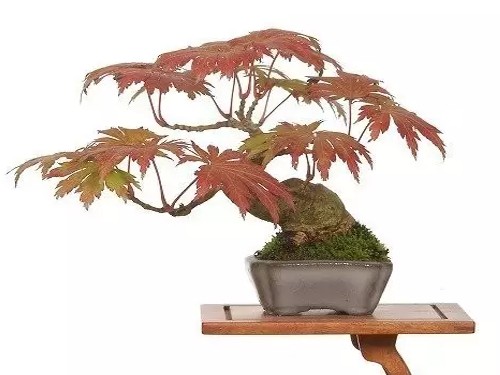
Detailed Explanation of Key Techniques for Autumn Fertilization of Bonsai
The general characteristic of tree growth is that the shoots of spring and summer have already lignified, and a new root and leaf system has formed, increasing the tree's assimilation area and accumulating nutrients for autumn shoots and flower bud differentiation. In evergreen trees, autumn shoot growth and flower bud differentiation occur at the same time, and the competition for nutrient distribution is fierce, with vegetative growth taking precedence over reproductive growth
-
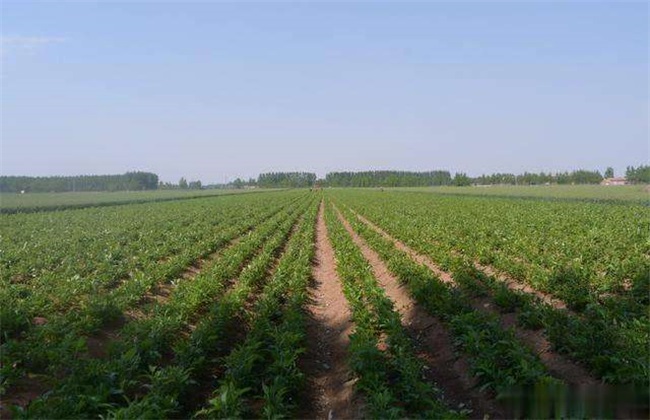
How to fertilize Atractylodes macrocephala? A detailed guide to practical fertilization methods
Fertilization methods for Atractylodes macrocephala
-
Fertilization techniques and methods for edible fungi: dry storage is key
Dry storage is key for storing edible fungi
条件筛选