-
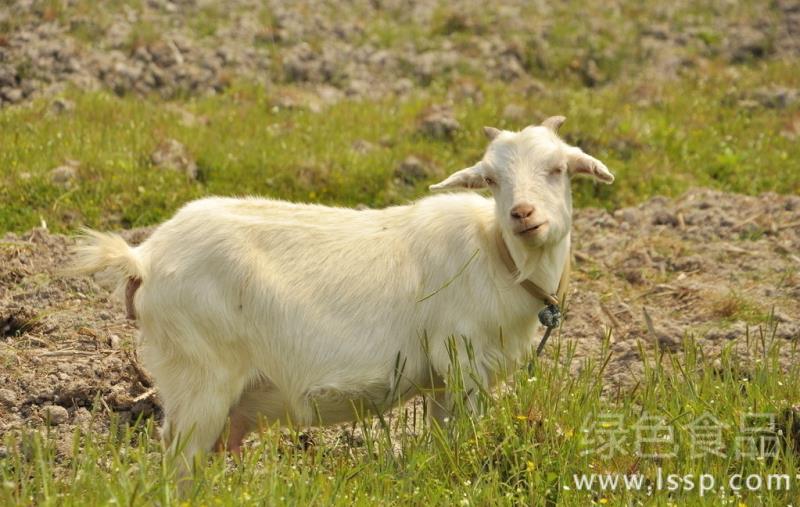
How to prevent and treat goat stomatitis affecting feed intake
How to prevent and treat stomatitis affecting goat feed intake Goat stomatitis
-
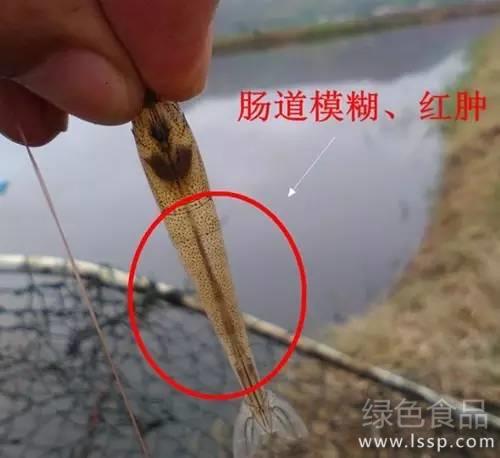
How to prevent and treat slow growth in shrimp caused by enteritis?
How to prevent and treat slow growth in shrimp caused by enteritis: shrimp enteritis
-
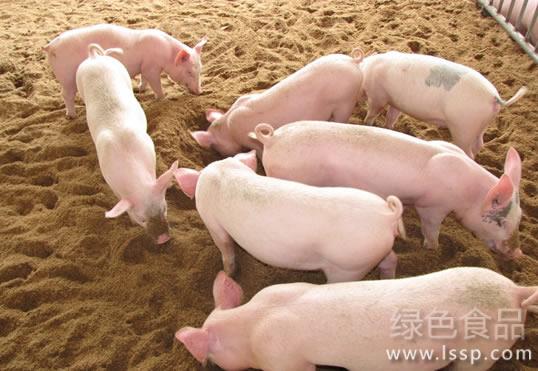
Sow endometritis with repeated breeding failure and complete loss of appetite: how to prevent and treat it
How to prevent and treat sow endometritis with repeated breeding failure and complete loss of appetite
-
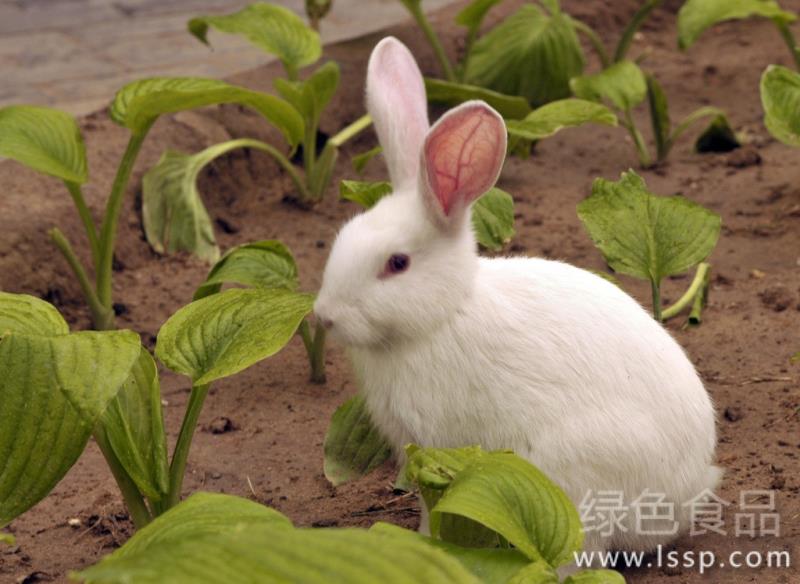
Rabbit foot dermatitis is difficult to treat; how should it be prevented and controlled?
Rabbit foot dermatitis is difficult to treat; how to prevent and control rabbit foot dermatitis
-
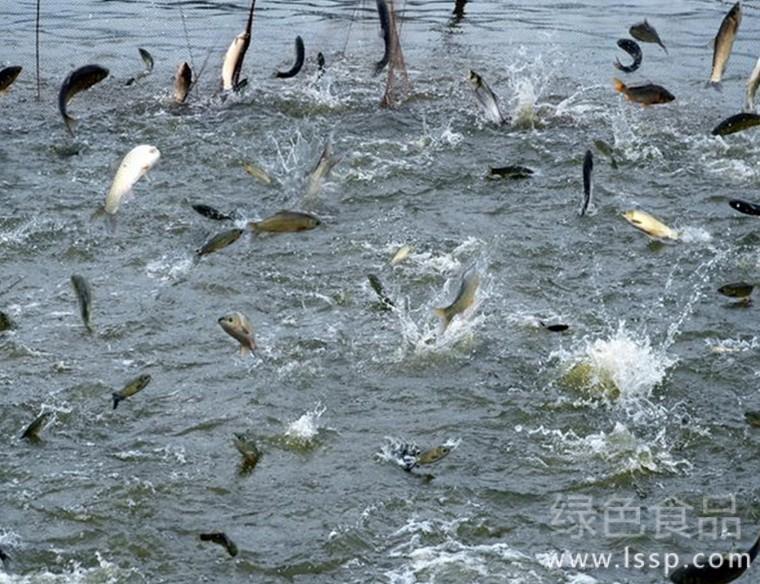
How to prevent and treat enteritis in freshwater fish to avoid rapid death
Fish with enteritis die very quickly; how to prevent and treat enteritis in freshwater fish
-
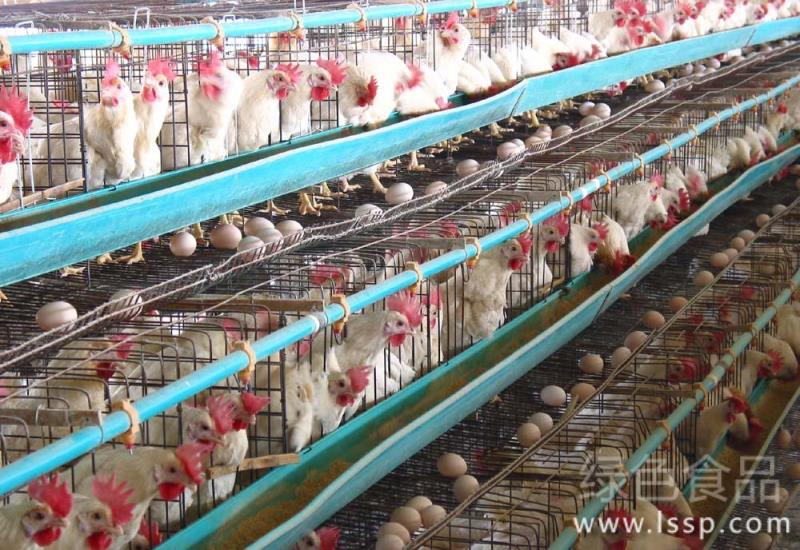
How to prevent and treat difficult egg laying caused by salpingitis in laying hens
How to prevent and treat difficult egg laying caused by salpingitis in laying hens
-

Broccoli sprouts help prevent degenerative arthritis, a new option besides glucosamine supplements
To prevent degenerative arthritis, broccoli sprouts can be another option besides glucosamine supplements
-

How to Grow Nephritis Grass? Detailed Explanation of Planting Methods and Technical Key Points
How to Grow Nephritis Grass
-

Detailed Explanation of Prevention and Treatment Methods for Infectious Canine Hepatitis
Infectious canine hepatitis is an acute septicemic infectious disease caused by the infectious canine hepatitis virus. The susceptible animals are young dogs under 1 year of age, often presenting as acute necrotizing hepatitis. This disease occurs throughout the world and is a common canine disease. In the early stage of onset, the virus mainly exists in the blood of affected dogs, and subsequently appears in various secretions and excretions, and is shed from the body, causing environmental contamination. After recovery, dogs can still shed the virus in urine for 6 to 9 months. Affected dogs and virus-carrying dogs are the sources of infection for this disease. Healthy dogs are mainly infected through the digestive tract, and infection can also occur via the placenta.
-
How to treat necrotic dermatitis in pigs? Introduction to treatment methods
Epidemiological characteristics: Necrotic dermatitis in pigs, caused by Fusobacterium necrophorum, is highly contagious. In the hot and humid season each year, piglets, growing pigs, boars and sows are all susceptible to this disease. It often affects the whole litter and the whole herd, with piglets and sows infecting each other, but sows infect piglets more often. At the beginning of the disease, systemic symptoms are not obvious; in severe cases, body temperature rises, appetite is reduced or completely lost, and the animal becomes emaciated, often dying from cachexia, causing considerable harm to the pig industry. Disease characteristics: First, rice-grain-sized red papules appear on the skin surface, often with itching; the papules then develop
条件筛选