-

Common Symptoms and Treatment Methods of Keratitis in Dogs
[Etiology] Keratitis in dogs is usually caused by trauma or foreign bodies, and can also occur in certain infectious and parasitic diseases. [Key Points of Diagnosis] The main symptoms of acute keratitis are photophobia, lacrimation, pain, blepharospasm, and conjunctival hyperemia. When caused by trauma, the corneal surface is rough and uneven, with corneal opacity; some cases are relatively mild, showing only a layer of translucent thin nebula, while others are thicker, appearing as an opaque white membrane, and the affected dog thereby becomes blind. Cases with a longer course of disease develop corneal peripheral hyperemia and neovascularization.
-
Encephalitis in Dogs
Encephalitis refers to inflammation of the meninges and brain parenchyma caused by infection or toxic factors. In a broad sense, encephalitis includes various brain infections and encephalopathies. [Etiology] Purulent encephalitis is mostly caused by pyogenic bacteria, head trauma, spread of nearby purulent foci, or hematogenous metastasis from systemic pyemia. It can also be caused by the migrating larvae of certain parasites entering brain tissue, resulting in parasitic encephalitis. Non-suppurative encephalitis is mostly seen secondary to infectious diseases, such as canine distemper and rabies. Bacterial
-
How to care for a dog with an internal medicine condition? Explaining with gastritis as an example
The usual signs are not eating, vomiting, and diarrhea, leading to severe dehydration and reduced resistance. Intravenous fluids generally work best. Next, giving stomach-strengthening and appetite-stimulating drugs is fine, but giving only these drugs is not enough. Owners should administer medication according to the veterinarian's advice and prescription, but because the education level and clinical experience of veterinarians vary across different animal hospitals and clinics, you should find an experienced veterinarian to prescribe. Generally, households should always keep drugs such as berberine and furazolidone on hand, but these
-
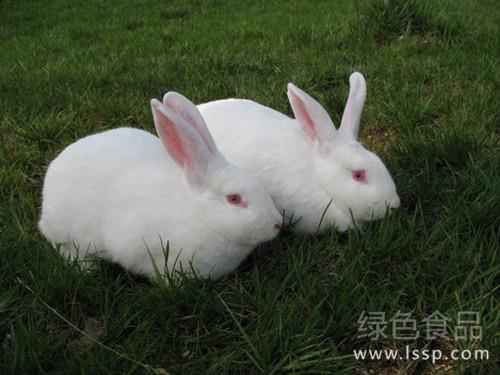
How to prevent and treat rabbit mucoid enteritis? Be on alert for abdominal distension, drooling, and mucus in the feces
Prevention and treatment methods for rabbit mucoid enteritis with abdominal distension, drooling, and mucus in the feces
-
What Are the Treatment Methods for Chemical Pododermatitis in Dogs?
When a dog's toes come into contact with irritating or corrosive acids, alkalis, or other chemicals, it causes redness, swelling, heat, and pain in the toes, followed by inflammatory exudate; in severe cases, infection leads to ulcers and affects the dog's normal walking function. Case 1: The affected dog's appetite was basically normal, its mental state was fair, its hind limbs were weak when walking, and its right hind limb would often be lifted off the ground quickly after touching down, as if the sole had been punctured by a sharp object. Clinical examination: The toes of the right hind limb were obviously swollen, and palpation was painful. No signs of puncture by a foreign object were found on the soles, but the foot pads of all four limbs showed varying degrees of epidermal peeling.
-
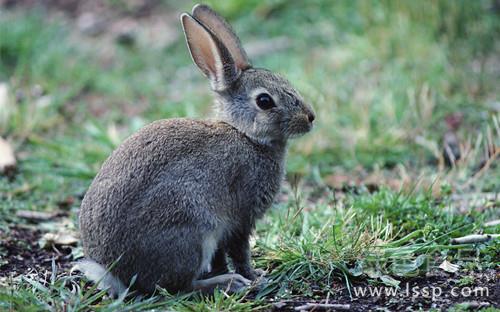
Rabbit epizootic enteritis is highly prevalent in winter; be on guard against refusal to eat, abdominal bloating, severe watery diarrhea and dehydration
Refusal to eat, abdominal bloating, severe watery diarrhea and dehydration; be on guard against rabbit epizootic enteritis in winter
-
What are the treatment methods for keratitis in pigs?
Causes: Keratitis is a general term for inflammation of the corneal tissue. It is often caused by trauma, being struck by the tip of a leather whip, or puncture wounds to the cornea from sharp foreign objects. Symptoms: Keratitis in pigs presents as photophobia and tearing, pain, conjunctival redness and swelling, closed or partially closed eyelids, congestion of the blood vessels around the cornea, and diffuse opacity that gradually spreads from the periphery of the cornea toward the center, appearing light gray, milky white, or orange-yellow. The corneal epithelium swells and the surface becomes rough and uneven. When superficial damage occurs to the cornea, the surface epithelium detaches and shows marks, and transparency
-
How to treat pig stomatitis? Detailed introduction to treatment methods
1. Cause: Coarse and hard feed or feed mixed with sharp objects such as fish bones and nails, drenching with irritating drugs such as tartar emetic, and feeding overly hot feed can all cause oral mucositis. In addition, it can also occur in diseases such as foot-and-mouth disease, necrobacillosis and mercury poisoning. 2. Symptoms: The sick pig eats slowly or has difficulty eating, and there is a foul odor in the mouth. Ulcers may occur at the injured area caused by punctures. When caused by corrosion or irritation, the oral mucosa becomes congested and red, and may even slough off. 3. Prevention and treatment: Feed should be inspected, and the cause should be removed promptly after onset. For treatment, the following can be used:
-
A Detailed Guide to the Diagnosis and Treatment of Duck Infectious Serositis
Duck infectious serositis is a contagious, acute or chronic infectious disease caused by Riemerella anatipestifer, mainly affecting ducklings 1-8 weeks of age. This disease is characterized by fibrinous pericarditis and fibrinous airsacculitis, and is an infectious disease that severely harms ducklings. 1 Clinical symptoms The most acute cases die suddenly without visible symptoms. The main clinical manifestations of acute cases are: depression, reduced food intake, refusal to eat, lying prone in a corner, weak legs, unwillingness to walk, ataxia, and when lying prone on the ground, the head tilts upward and backward with spasmodic
-
Diagnosis and Treatment of Anal Sacculitis and Perianal Fistula in Dogs
Just like weasels (yellow weasels) and skunks, dogs also have a pair of anal sacs, which open on both sides of the anus. They are secretory glands that emit a foul odor, and their secretions are discharged along with feces during defecation. The perianal area is frequently contaminated by feces and dirt, making it prone to disease. Anal sacculitis is inflammation caused by obstruction of the anal sac duct for some reason, causing the glandular secretions within the anal sac to accumulate inside the sac and irritate the mucosa, after which the purulent lesion spreads to the perianal area. Hair follicles, sweat glands, and sebaceous glands are distributed around the anus, and these tissues can produce superficial and deep purulent lesions.
条件筛选