How to prevent and treat goat stomatitis affecting feed intake
Stomatitis in goats is inflammation of the superficial and deep tissues of the oral mucosa, with diverse causes. Clinically, affected goats show inflammation of the oral mucosa and gums, which affects feed intake and chewing, with clear drooling of saliva and increased pain sensitivity.
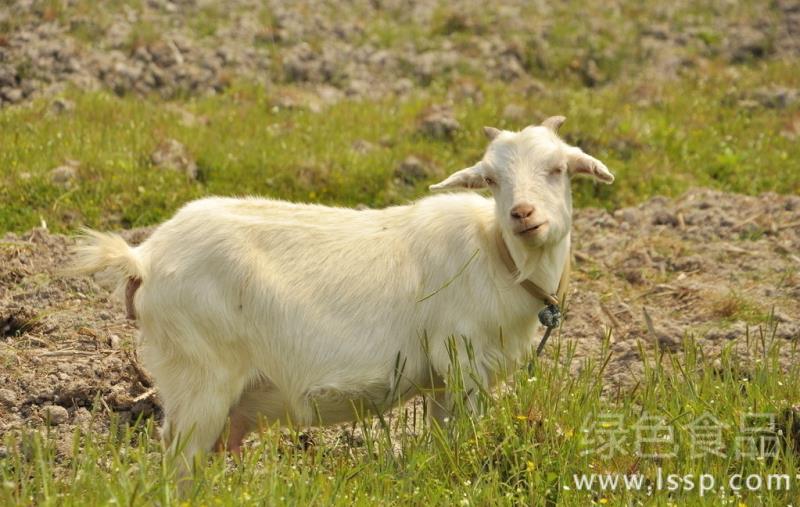
Goat
1. Causes
Because the nature of stomatitis differs, the causes also differ. Eating coarse, hard feed with awns or bristles, or feed mixed with sharp objects such as glass or iron wire, or drenching with overheated medicinal liquid, or eating frozen feed or moldy and spoiled feed can all lead to stomatitis. It also occurs when goats suffer from contagious ecthyma, foot-and-mouth disease, sheep pox, mycotic stomatitis, allergic reactions, and lamb malnutrition, among other diseases.
2. Clinical symptoms
Sick goats have reduced or absent appetite; the oral mucosa is reddened, swollen, painful, and drooling occurs. In severe cases, bleeding, erosion, and ulcers may be seen, or the animal may become emaciated. Secondary stomatitis often has phenomena such as elevated body temperature. In contagious ecthyma, there are watery blisters and hemorrhagic dry scab-like necrosis on the oral mucosa, upper and lower lips, and corners of the mouth; in foot-and-mouth disease, besides blisters and erosive patches on the oral mucosa, there are also lesions between the toes and on the skin; in sheep pox, besides pox eruptions on the oral mucosa, there are also pox eruptions on the udder, eye corners, head, and skin of the lower abdomen.
3. Prevention and treatment measures
(1) Strengthen management and care to prevent primary stomatitis caused by oral injury in goats. For stomatitis caused by infectious diseases, isolation and disinfection are advisable. For mild stomatitis, rinse with 2%--3% sodium bicarbonate solution, or 0.1% potassium permanganate solution, or 2% saline.
(2) For chronic stomatitis, when there is erosion and exudation, rinse with 1%--5% silver protein solution or 2% alum solution; when there are ulcers, apply 1 : 9 iodine glycerin or honey to the affected area. When systemic reactions are obvious, inject intramuscularly once 400,000--800,000 units of penicillin and 1,000,000 units of streptomycin, for 3 --5 consecutive days; sulfonamides may also be administered.
(3) For traditional Chinese medicine therapy, Liuhua San can be used: Phellodendron bark 50 grams, indigo naturalis 12 grams, cinnamon 6 grams, borneol 2 grams; grind each into fine powder, mix evenly, and apply to the sore surface inside the mouth. Qinghuang San can also be used: indigo naturalis 100 grams, borneol 30 grams, Phellodendron bark 150 grams, Chinese gall 30 grams; grind each into fine powder, mix evenly, and apply to the sore surface inside the mouth.
(4) To prevent the spread of stomatitis, it is advisable to scrub and disinfect goat feed troughs with 2% alkaline water. Feed sick goats tender, succulent, soft forage.