How to prevent and treat enteritis in freshwater fish to avoid rapid death
Fish enteritis, also known as rotten-gut plague, is a widely prevalent bacterial disease and one of the most serious bacterial diseases affecting koi. Fish enteritis often occurs together with bacterial gill rot and red-skin disease.
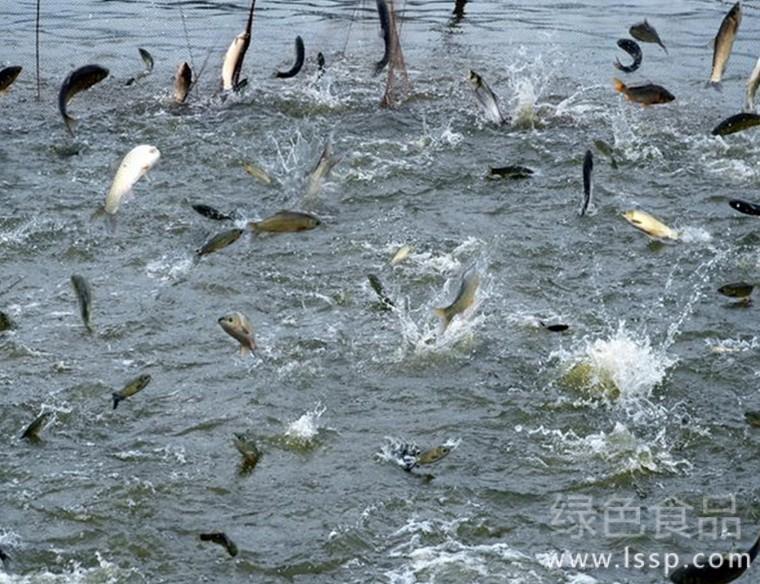
Freshwater fish farming
[Symptom identification]
Sick fish have reduced appetite and move slowly, often swimming alone away from the group; the body darkens or fades in color, most noticeably on the head and tail fin; the abdomen swells and red patches appear, the anus becomes red and swollen, and in the early stage the fish passes white thread-like mucus or becomes constipated; when the abdominal wall is pressed, yellow-red ascites fluid flows out; when the intestine is opened, the intestinal wall is seen to be locally congested and inflamed, with no food in the intestine and a large amount of mucus; in the late stage of the disease, the entire intestine turns red, the intestinal wall loses elasticity, and it is filled with pale yellow mucus; when the sick fish is dissected, the intestine is seen to be inflamed and congested, and may even turn purple, so the fish soon dies.
[Causes]
Fish enteritis is caused by enteric Aeromonas punctata. This opportunistic pathogen is present in large numbers in ordinary water bodies and in the mud at the bottom of fish ponds, and is also found in the intestines of healthy fish, but in small numbers. When the fish's living environment deteriorates and its resistance declines, the bacterium multiplies in large numbers in the fish's intestine, causing disease. Through the feces of sick fish and carrier fish, the pathogen is discharged into the water, contaminates the feed, and infects the fish orally. Prevalence and harm: fish enteritis begins to spread at water temperatures above 18°C, with the peak of prevalence at water temperatures of 25-30°C; when the disease is severe, the mortality rate can reach as high as 90%.
[Prevention and treatment methods]
(1) In the early stage of the disease, when floating feces appear in the water, first stop feeding and increase aeration; under normal circumstances, the fish can recover in 3-4 days.
(2) Mix medication into the bait and feed it to the sick fish. For fishery-grade whole-intestine probiotic, add 1-3 kg per ton of feed; the recommended optimal dosage is 1.5 kg/ton.
(3) For fish that are severely affected and no longer feeding, kanamycin can be injected into the abdominal cavity at 500-1000 international units per day for 3-5 consecutive days or until the symptoms disappear.