Rabbit foot dermatitis is difficult to treat; how should it be prevented and controlled?
Rabbit foot dermatitis is one of the most common diseases in the rabbit farming industry, a chronic disease caused by infection of wounds with Staphylococcus aureus. Because of its high incidence and great harm, once it occurs it causes huge economic losses to rabbit farmers.
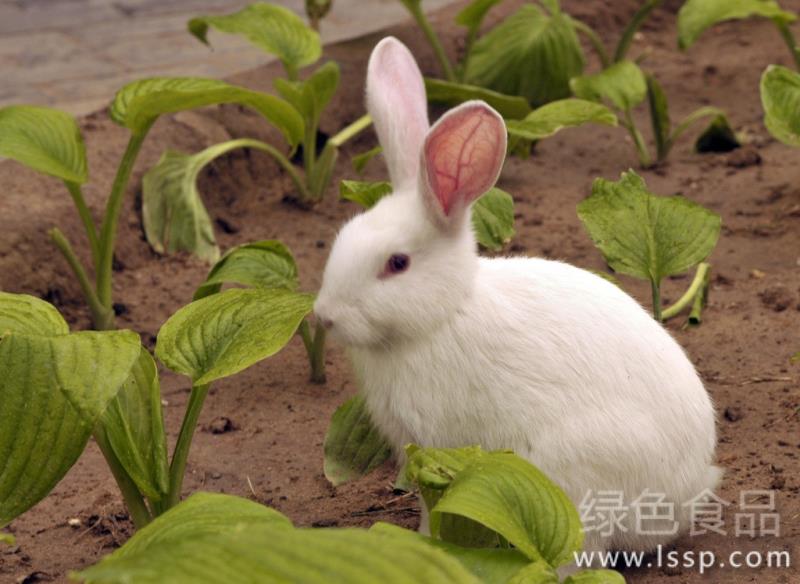
Rabbits
Rabbit foot dermatitis generally occurs on the soles or toes of the hind legs, manifesting as local congestion, redness and swelling, suppuration, and the formation of ulcerated surfaces. It mostly presents with pain and reluctance to move; a minority show intense itching, with affected rabbits gnawing at the affected area, and in severe cases the bone becomes exposed, the rabbit gradually emaciates, and it dies from secondary septicemia. This disease is difficult to treat and takes a long time to recover from; for severely affected animals, culling is preferable.
Prevention and control: 1. Strengthen feeding management: the bottom of the rabbit cage is best made of bamboo boards, and should be flat and free of sharp objects. Keep the rabbit cage and shed clean and dry, with smooth cage fittings free of sharp objects, and regularly spray with 0.3% peracetic acid for disinfection.
2. Immunization by injection of staphylococcus vaccine, 2 ml per rabbit, immunized twice a year.
3. Treatment: place rabbits suffering from foot dermatitis in a cage lined with dry, soft bedding straw. Clean the wound, repeatedly apply 3% iodine tincture to the affected area until all pus and scabs are removed, then apply erythromycin ointment to the affected area, cover with gauze and bandage firmly, and at the same time inject each rabbit intramuscularly with 200,000 units of penicillin, twice daily. For mild cases, rinse with 3% hydrogen peroxide, then apply gentian violet solution, once daily, and most heal within 3-5 days. For rabbits with ulcers, rinse the affected area with 0.2% lead acetate solution, remove necrotic tissue, and apply 15% zinc oxide ointment or oxytetracycline ointment. When the ulcer begins to heal, apply 5% gentian violet solution.