-
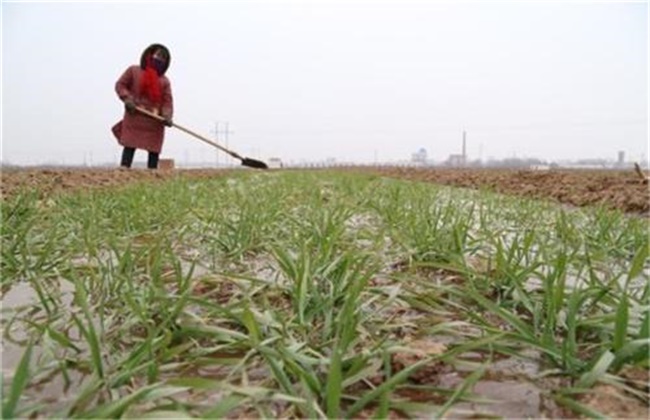
Winter irrigation of wheat: benefits and precautions explained
Benefits and precautions of winter irrigation for wheat
-
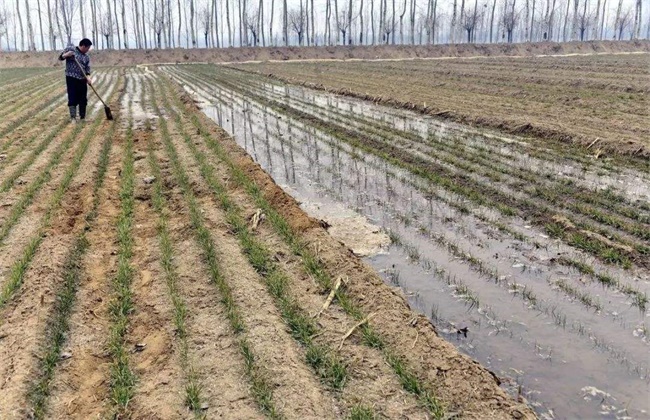
How to apply overwintering water to wheat? Master the timing and method of irrigation
How to properly apply overwintering water to wheat
-
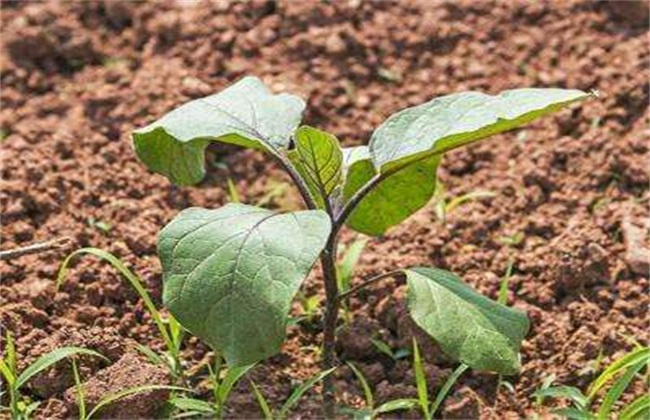
Key Points of Eggplant Irrigation Techniques and Scientific Watering Methods
Eggplant Irrigation Techniques
-
-

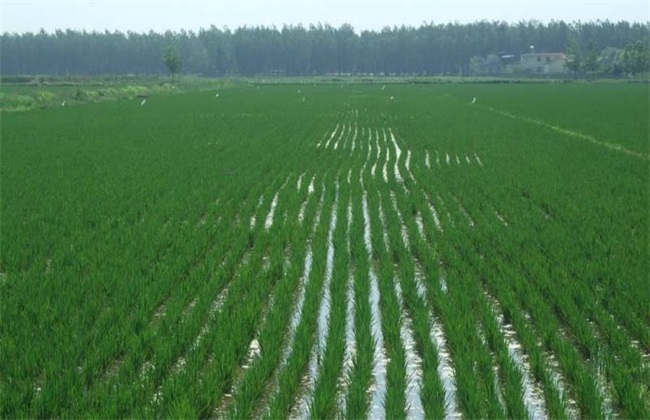
What are the precautions for winter irrigation of wheat? Read this article to understand
Precautions for winter irrigation of wheat
-

Detailed Explanation of the Three-Drainage and Three-Irrigation Water Management Measures for Rice
1. Three Drainages. First drainage: From the critical tillering stage to the stage when the penultimate leaf tip emerges (20 days before heading), the field should be drained and sun-dried to control the growth of ineffective tillers. For fields with vigorous seedling growth and dark green leaf color, as well as fertile fields and cold-waterlogged fields, heavy sun-drying should be carried out to promote fading of leaf color; for fields with poor seedling growth, as well as lean fields and fields with a low groundwater table, multiple light sun-dryings should be carried out, combining sun-drying with exposure, with the degree judged by the field not sinking underfoot. Second drainage: From 5-7 days before heading to the heading stage, a second drainage should be carried out to improve rice root vigor and enhance the roots' ability to absorb nutrients
-
The 10th Regiment of the First Agricultural Division pioneers a new water-saving technique for dryland rice cultivation with drip irrigation under plastic film
In 2010, the 10th Regiment of the First Agricultural Division of the **Production and Construction Corps used new science and new technology to transform traditional agriculture. Faced with a severe shortage of water resources and its disadvantaged position as a unit downstream of the First Division's water supply, it independently developed new machinery for sowing rice on dryland with drip irrigation under plastic film, which was put into rice production and vigorously promoted by Aral City of the First Division. According to Kong Jun, the First Division's deputy division commander in charge of agriculture, this cultivation model not only saves labor in rice planting but also conserves water resources and farmland costs, helping to increase rice yields and efficiency, and it has opened a new chapter for the Corps' agriculture and livestock farms.
-
Qing'an's 700,000 mu of rice adopts cold-region dry seedling cultivation and controlled irrigation technology for water saving and high yield
The controlled irrigation, water-saving and high-yield technology for cold-region dry seedling rice has been successfully tested in Qing'an. This year, 700,000 mu of rice in this county are using this technology. According to expert calculations, it saves about 450 cubic meters of water per mu, saves 11.2 yuan in pumping costs, and increases yield by an average of 22 kg per mu. In recent years, through the trinity approach of "engineering water saving, mechanism water saving, and technical water saving," Qing'an has reduced irrigation water per mu from nearly 1,000 cubic meters to 500 cubic meters. Over 10 years, it has expanded the paddy field area from 640,000 mu to 1.17 million mu, accounting for half of the cultivated land area. Last year
-
Rice cultivation in cold regions requires water-saving irrigation, selection of improved varieties, making the most of accumulated temperature, and growing strong seedlings
Heilongjiang Province is located in a high-cold region, where heat and water resources are relatively scarce, annual atmospheric precipitation is extremely unevenly distributed, spring is windy with little rain, and drought is quite severe. The author discusses how to achieve water-saving, high-quality, and high-yield rice cultivation in cold regions. 1. Selecting excellent varieties is the prerequisite for ensuring high-quality and high-yield rice. The varieties that rice farmers plant directly affect the quality and yield of rice. Therefore, in production, varieties with a suitable maturity period, excellent quality, stable and high yield, and strong stress resistance should be selected. First, select varieties that have passed national approval, been named, and promoted, which can ensure relatively stable rice traits, steady and rising yields, and safe and reliable use; second, introduce varieties with suitable maturity periods according to different accumulated temperature zones, and never introduce varieties across zones; third, pay attention to seed quality, and select first-grade improved seeds with a purity above 98%, a germination rate above 90%, and a moisture content no higher than 14% for production use; fourth, purchase seeds from nationally certified seed companies, research institutes, and agricultural colleges, and eliminate blind planting; fifth, in actual planting, unify varieties as much as possible, plant in contiguous fields, form scale, and achieve industrialized planting.
-
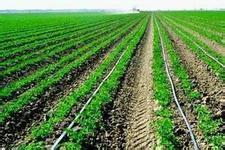
Detailed Explanation of Key Techniques for Tomato Planting and Irrigation Management
Tomatoes begin to be watered after the seedling-stabilizing stage when fruit has set (when the first fruit is about the size of a walnut). Over the whole growing season, 3--4 waterings are given. Generally, one watering is given at the seedling stage as a transplanting and seedling-lifting watering. Water is then withheld until the first fruit cluster swells to where the young fruit is 2--4 cm in diameter, at which point the second watering is given. After that, depending on the condition of the seedlings and the moisture level of the soil, irrigation is carried out once every 10--15 days, with 3--4 irrigations over the whole growing season, each irrigation applying 60--...
条件筛选