-

How to prevent diarrhea in pigs in winter? These measures need to be mastered
1. Strengthen feeding management. The feed quality should be good, and mold and spoilage should be prevented, so that sows do not transmit it to piglets through colostrum and cause them to have diarrhea. Pay attention to keeping the pig herd warm during the cold season from late autumn to early spring. 2. Strengthen immunization. Pregnant sows should be injected with the vaccine for this disease 45 days and 15 days before farrowing respectively, and then ensure that piglets receive enough colostrum so that they obtain relatively high antibodies. 3. Pay attention to hygiene and disinfection. Strictly prohibit the entry of outside vehicles, purify the air, avoid infection by viruses and bacteria, and reduce pigs
-
How to Prevent and Control Common Diseases in Pigs in Winter and Spring
This disease is an infectious disease of piglets caused by Salmonella. Piglets aged 1-4 months have high morbidity and mortality rates. The disease occurs in endemic or sporadic form, often in cold, changeable weather and rainy seasons. Poor environmental hygiene and reduced resistance of piglets can induce this disease. Symptoms and lesions: In the initial acute onset, it is similar to swine fever and requires comprehensive judgment combined with other examinations. The typical symptom is persistent diarrhea with a chronic course, and some piglets also show pneumonia symptoms. Lesions: Acute cases often die of shock, with purple congestion at the extremities and systemic septic
-
Key Techniques for Overwintering Management of Panax notoginseng Seedling Fields
Panax notoginseng is a perennial herbaceous plant. Once winter arrives, its above-ground parts all die back. At this time, the above-ground parts should be cut off 3 cm above the ground, and all dead branches, fallen leaves, diseased plants and weeds in the field should be cleared away and burned outside the field. The soil should be thoroughly sprayed and disinfected with 0.2-0.3 degrees Baume lime-sulfur mixture, and then a layer of decomposed farmyard manure should be applied at about 1500 kg per mu to keep warm and prevent freezing. If exposed roots are found, soil should be banked up when the winter fertilizer is applied, and finally a layer of grass should be spread on top to ensure the buds overwinter safely.
-
Winter cherry blossoms are light and delicate, a brilliant sight in winter
Winter cherry blossom (Cerasus cerasoides), also known as Gaopen cherry and winter begonia, belongs to the Rosaceae family. It blooms in autumn and winter, with pink flowers; when in full bloom, the whole tree is covered in a profusion of blossoms, dazzling and eye-catching; after flowering, purple-red young leaves continue to grow, which can enrich the color changes of winter garden plants, adding a gorgeous natural landscape to the flower-scarce winter, and is of great significance to the winter landscape of cities in subtropical regions. Winter cherry blossom is a deciduous tree, reaching 3-10 m tall. Leaves alternate, ovate-lanceolate or oblong,
-
Ten Proven Recipes for Fattening Thin Rabbits in Autumn and Winter
After making it through the hot summer, most domestic rabbits are weak and thin, so as soon as autumn begins you must hurry to increase their feed and build them up, in order to improve their strength and productivity. The following methods can be used to fatten thin rabbits in autumn and winter. 1. For rabbits with coarse, messy fur and poor spirits, take an appropriate amount of tea leaves, plus 15 grams each of Clubmoss (Huperzia) and honeysuckle, decoct into a liquid and administer orally, twice a day, 10-15 ml per rabbit each time, for 3-5 consecutive days, with marked effect. 2. Dissolve 5-7 grams of white sugar per rabbit per day in warm water and let the rabbit drink it freely. Generally after 15-20 days
-
What should be noted when intercropping in a peach orchard?
Points to note when intercropping in a peach orchard: after the peach trees are planted, the trees are still small, so tall-stemmed crops are not suitable for the intercropped land; peanuts, root and tuber crops, and legumes are preferable. Intercropped crops must not be planted too close to the tree trunks. Generally, for newly planted trees, a tree plate of about 1 sq m can be left, and for trees that have just begun to bear fruit, a tree plate of about 2 to 3 sq m should be left, to prevent the intercropped crops from competing with the fruit trees for fertilizer and water. To increase soil organic matter, green manure can be interplanted between the rows of peach trees. Interplanting green manure is an important way to resolve the competition between fruit trees and grain crops for fertilizer.
-
Introduction of new giant winter peach varieties, a first look at new peach varieties
The "Giant Winter Peach", king of Chinese peaches, is a newly bred superior winter peach variety from the Zhengzhou Fruit Research Institute of the Chinese Academy of Agricultural Sciences. Its outstanding characteristics are as follows: exceptionally large fruit. The average single fruit weight reaches over 400 grams, with the largest single fruit reaching 1200 grams. The fruit is nearly round, making it one of the largest peach varieties currently available in China. Beautiful appearance and excellent quality. After ripening, the fruit fuzz falls off naturally. The background color of the fruit surface is creamy yellow, and the fruit surface is bright red, very gorgeous, matching international popular colors; the flesh is milky white, dense in texture, tender and firm, with a sweet and delicate fragrance, and a sugar content of 17%-19%
-
What are some practical methods for protecting fish and soft-shelled turtles from the cold in winter?
1. Pond selection: Choose a deep-water pond (over 2 m deep) that is sheltered from the wind and faces the sun for natural overwintering. The water in the overwintering pond should not remain stagnant for long periods; usually replace part of the pond water every 20 to 30 days, each time replacing 1/4 to 1/5 of the total pond water, to prevent pond water contamination. 2. Set up windbreaks and cold-shelter holes: On the north side of the pond, a 2 m high windbreak can be built from straw or soil, and on the east and west sides, earthen walls sloping toward the south can be built in a dustpan shape to reduce the impact of the north wind, so that when a cold wave strikes, the water temperature will not drop significantly. Around the pond,
-
Cattle farmers must guard against cold-induced dehydration in cattle in winter
Water can both cool them down and warm them up. 1) Cooling with water: For each adult cow, each time mix 0.3-0.6 kg of baijiu (Chinese liquor) or 0.2 kg of urea into 5 kg of cold water and let the cow drink it on its own. Alternatively, the day before feeding hay, soak the hay in cold water for 3-5 hours, then feed it to the cow. 2) Warming with water: In winter, when the weather is cold, for cows in weak body condition, heat clean water to 40°C and add 30-50 g of table salt or 100 g of soy sauce per kg of water and let them drink it. 2. Feeding nutritional tonics
-
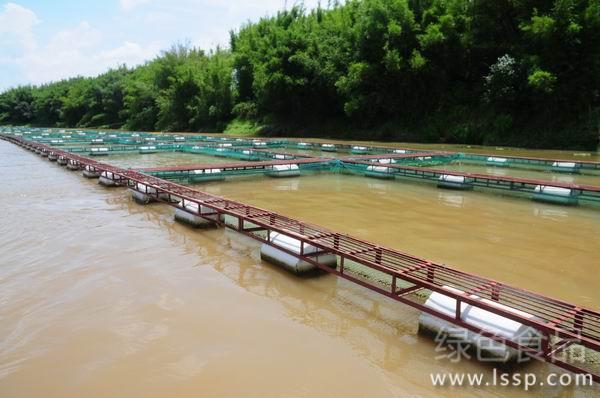
What are the key points for production management during the overwintering stage of freshwater aquaculture
Key points for production management during the overwintering stage of freshwater aquaculture
条件筛选