-
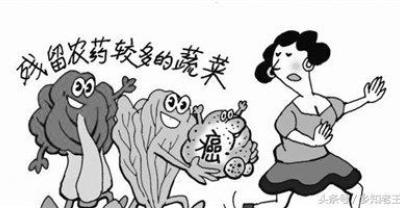
What are the commonly used pesticide insecticides? A detailed explanation of deltamethrin and methyl parathion
(1) Parathion, also known as 1605, is a broad-spectrum highly toxic insecticide. It has strong contact, stomach and fumigant action, and good ovicidal effect, but no systemic translocation...
-

Growing vegetables without spraying pesticides: homemade insecticides work better, and you can eat with peace of mind.
Anyone who has grown vegetables knows that as long as you grow vegetables, there will be all kinds of pests. Among leafy vegetables, the cabbage caterpillar (Pieris rapae) does the most serious damage; among solanaceous and fruiting vegetables, the whitefly (Trialeurodes vaporariorum) troubles many vegetable growers; and chives...
-
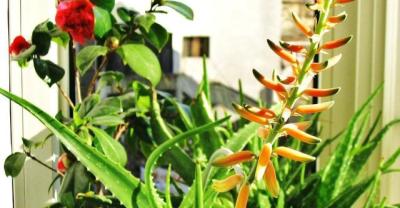
Plant insecticides and flower pot recommendations, the best value for money are all here
Previously I shared with you some steps for cleaning up and overwintering a northern garden. Friends who have a garden, have you done it yet? Actually, whether it is garden ground planting or home...
-

First domestic producer of insect virus insecticides listed on the New Third Board recently
First domestic insect virus insecticide company recently listed on the New Third Board
-
How effective are neem seed extract and neem oil as insecticides?
Have you heard of neem plant insecticide? This is an insecticide made from insecticidal compounds extracted from a plant. The development and use of neem plant insecticide seems to have become a worldwide trend. In Thailand, I saw that some places already use neem as street trees, and flower markets everywhere
-

What to do when the Madagascar jasmine gets bugs? Pest and disease control - do not use insecticides carelessly
As the Madagascar jasmine (Stephanotis floribunda) grows more and more popular, more and more people are growing it, but those who do not pay attention to the cultivation methods and precautions for the Madagascar jasmine will find that the plant they are growing has bugs. If handled improperly, not only will the bugs not be cleared away, it may even lead to the death of the Madagascar jasmine
-

How to make homemade flower insecticides? Introduction to eco-friendly methods
How do you make eco-friendly flower insecticides at home? In our daily lives there are many very beautiful flowers, such as lavender, blue roses, pothos, cactus, mint geranium, dolphin flowers and so on. Because each has its own distinctive features, they are deeply loved by the broad community of flower lovers, and more and more people are taking up flower growing
-
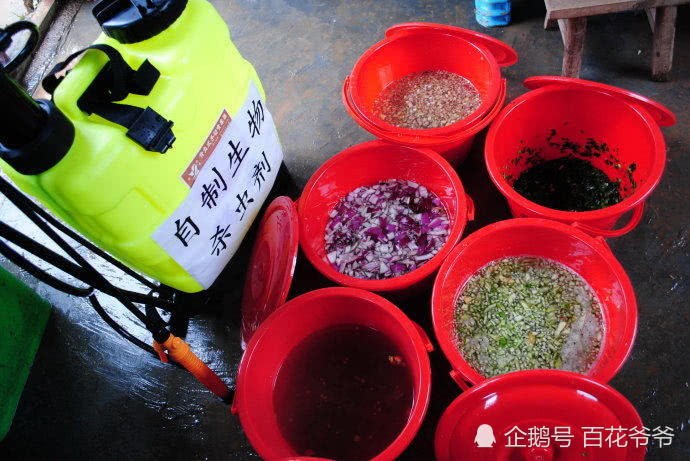
What to use to keep pests away when growing flowers? 10 homemade insecticides that work with just a spray
Growing flowers is a beautiful thing, but when the flowers get bugs, that beauty becomes a bit frustrating. There is not much space on the balcony for too many flowers, so what can you do if you do not want to use pesticides? Here are 10 homemade insecticides for you, and just a little spray on the flowers works...
-
How to make homemade biological insecticides for household flower growing?
For household flower growing, if you cannot buy pesticides, you can make your own pesticides, which also have good control effects on several common pests and some diseases on flowers. (1) Tobacco water: take 50 g of tobacco leaves (if using tobacco stems, tobacco veins, or cigarettes, double the amount), add about 1500 g of clean water, and soak for a day and a night.
-
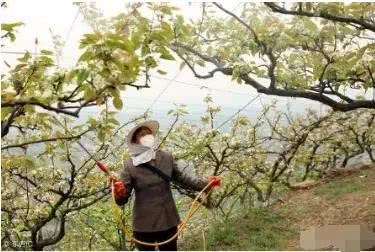
Mixing Bordeaux mixture with insecticides and fungicides: keep these precautions in mind
Bordeaux mixture is made by the reaction of lime and copper sulfate. Originally, Bordeaux mixture was not used for sterilization, but was a "poison" that vineyard farmers sprayed on grapes to prevent people passing by from stealing and eating them. Later, botanists...
条件筛选