-
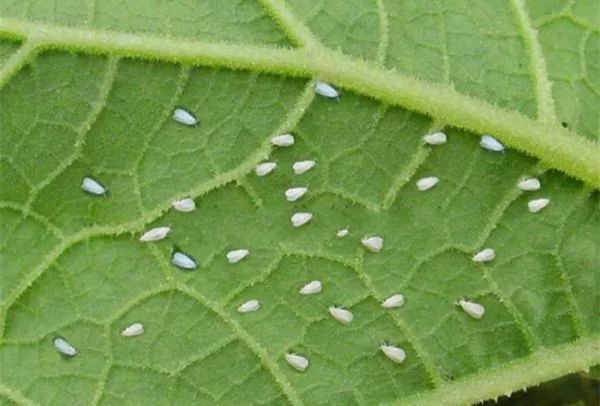
Five harmless homemade insecticides to help you drive away mosquitoes and insects
For friends who love growing flowers, pests are sure to be a major problem in the process of growing flowers, especially in the hot summer and autumn seasons, when the flowers at home inevitably suffer from pest invasion. When it comes to killing insects, although the insecticides sold on the market now...
-

What are the precautions for using bacterial biological insecticides?
Precautions for using bacterial biological insecticides
-

Detailed Explanation of the Classification and Research Progress of Botanical Insecticides
10% cypermethrin EC used 2 to 5 days before market: 2.5% deltamethrin 2 days; 2.5% kung fu EC 7 days; 5% leifuling EC 3 days; 50% pirimicarb WP 6 days; 1.8% abamectin EC 7 days; 10% kuaishadi...
-
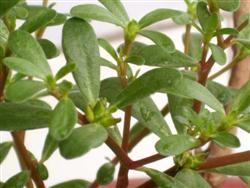
How to prevent and control flower diseases? Learn to make homemade insecticides
Common chemical agents cause varying degrees of phytotoxicity to vegetables and fruits. For example, omethoate should not be used within 30 days before harvest; malathion is phytotoxic to melons and peaches; fenitrothion is phytotoxic to cruciferous plants and should not be used within 15 days before harvesting fruits and vegetables. Dichlorvos should not be used within one week before harvesting fruit trees and vegetables...
-
What Types of Pesticide Insecticides Are There? A Detailed Guide to Selection Precautions
1.1 Classification by composition and source: Inorganic insecticides, such as lead arsenate, calcium arsenate, arsenites, sodium fluoride, sodium fluorosilicate, sulfur, zinc phosphide, etc. Organic insecticides. Natural organic insecticides can be divided into botanical insecticides (such as derris, pyrethrum, tobacco, pine resin, santonin, toosendanin, etc.) and mineral-derived insecticides...
-
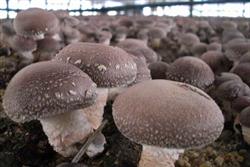
Six key taboos to remember when using bacterial biological insecticides
Edible fungi suffer pest damage during the mycelium growth and mushroom fruiting stages due to the distinctive odor of the mycelium, so insecticides are often used when pest damage occurs. When pest damage occurs in edible fungi, the first step is to choose insecticides that are highly effective, low in toxicity, and have a short residual life, such as decis and dichlorvos; do not use banned substances such as benzene hexachloride (BHC) and DDT...
-
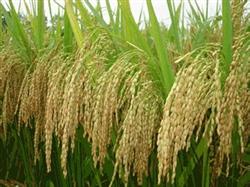
Applicability of insecticides in sustainable rice pest management
Based on a comprehensive analysis of toxicity, insecticide resistance, effects on beneficial organisms and other aspects, the applicability of insecticides in sustainable rice pest management can be divided into 5 categories. The first category is applicable insecticides, namely fipronil, chlorpyrifos and pymetrozine; the second category is insecticides suitable for mixed use, mainly abamectin, Bt...
-

Six precautions to note when using bacterial biological insecticides
Biological pesticide: BT, Chinese name Bacillus thuringiensis, is a bacterial insecticide. This variety has been fully used in the main vegetable-growing areas of our country and has achieved good economic benefits. However, there are currently many BT manufacturers with varying quality, so when using it you must choose a variety of good quality. Note: BT is effective when the temperature is slightly higher...
-

Sensitivity of Crops to Common Insecticides and Fungicides and Precautions for Use
① Take 200 g of scallions, chop them, soak them in 10 L of water for a day and a night, filter the liquid, and use it to spray the affected plants several times a day for 5 consecutive days. ② Take 200-300 g of garlic, crush it and extract the juice, dilute it with 10 L of water, and use it immediately to spray the plants. ③ Take 400 g of tobacco powder and soak it in 10 L of water for two days and two nights...
-

What are the precautions for using insecticides during the melon seedling stage
A agricultural supply seller from Yandu District, Yancheng City called to report that a local farmer used abamectin and dimehypo to control pests in rice fields. After application, a small amount of pesticide solution was left over and was incidentally sprayed onto 0.1 mu of soybeans grown by the family. As a result, the soybeans showed symptoms resembling scalding by boiling water the next day, then turned yellow and dried up. He asked whether the soybeans...
条件筛选