-

The correct injection sites for pigs and the reasons for bleeding after injection
Summary Intramuscular injection: the injection site is chosen at the well-muscled buttock or neck. Subcutaneous injection: the injection site is chosen at the inner thigh or behind the base of the ear. Intravenous injection: the injection site chosen is the back of the ear or the great auricular vein. Intraperitoneal injection: inject the
-
Management techniques for shiitake mushrooms after water injection
Abstract After water injection, shiitake mushrooms require enhanced ventilation in the greenhouse, good control of the temperature inside, and a certain amount of light stimulation as well as temperature difference stimulation to promote mushroom production. For water injection, note that if the mushroom log is heavy, you can first remove the bag to produce mushrooms and then inject water; if the mushroom log is light, you can first inject water and then remove the bag to produce mushrooms.
-
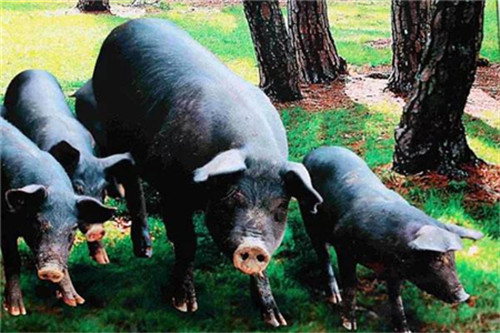
What to do when piglets get sick? Intraperitoneal injection is the preferred treatment
What to do when piglets get sick? Choose intraperitoneal injection!
-
Rumor has it that vendors inject water into lake crabs to increase their weight; an experiment shows they die 8 minutes after injection
Rumor has it that vendors inject water into lake crabs to increase their weight; experiment: they die 8 minutes after injection
-
What are the precautions for giving injections to sick snakes?
Practice has proven that giving injections to sick snakes is the best way to cure snake diseases, but the following points must be noted. (1) Avoid injecting the tail. Many novice snake keepers, influenced by the fact that people receive injections in the buttocks when ill, believe that the best site for injecting a snake is the tail, not realizing that the snake's tail is densely packed with nerves. A slight mistake can cause nerve damage to the tail, making the sick snake uncomfortable, and in severe cases leading to death. Therefore, when injecting a sick snake, one should choose the muscle-rich areas below the heart and on both sides of the spine. (2) Avoid using a thick needle. Using a thick needle to inject a sick snake
-
How to prevent cross-infection in pigs? Key points for safe injection
(1) Sterilization of vaccination equipment. Syringes, needles and other equipment used for vaccination must be strictly sterilized and disinfected as required. (2) One pig, one needle. Strictly prevent the injection method of using one needle to the end. It is best to use one needle per pig, changing the needle for each pig injected. (3) Order of emergency vaccination. During emergency immunization, vaccination should be carried out in the order of relatively clean herds; assumed healthy herds; threatened herds; and affected herds. Within an affected herd, proceed in the order of asymptomatic; mildly symptomatic; and severely symptomatic. (4) Safe and scientific
-
Detailed Explanation of Intradermal Injection Technique in Cattle
Inject the medicinal solution between the epidermis and the dermis; this is mostly used for allergy tests, with the injection site chosen on the side of the neck or at the base of the tail. During injection, pinch up the skin with the left hand, hold the syringe with the right hand, and insert the needle into the skin at a 30-degree angle to the skin, then slowly inject the medicinal solution; a small papule-like swelling at the injection site indicates correct injection. After withdrawing the needle, do not disinfect or apply pressure again. Feeling relatively more resistance during injection indicates correct injection. If injection feels very easy, it indicates that the solution has been injected subcutaneously, and the needle should be reinserted.
-
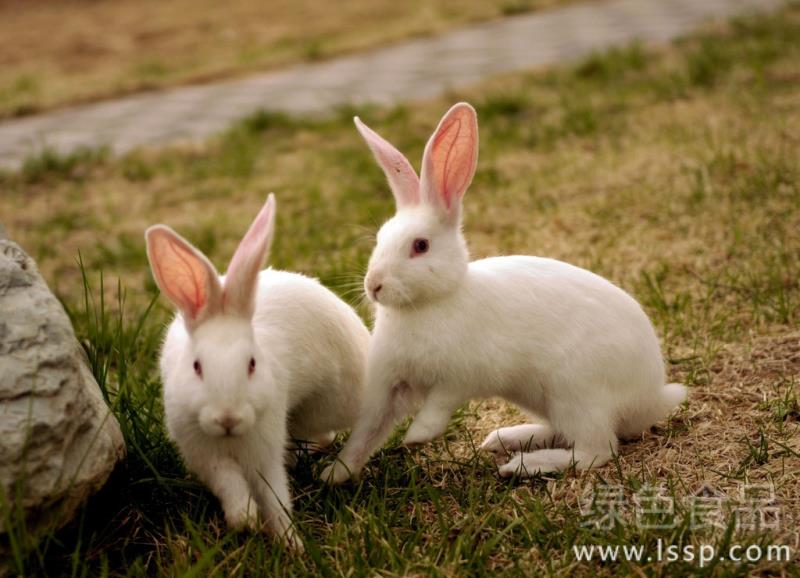
5 contraindications for immune injection in domestic rabbits; only reasonable immunization brings healthy rabbits
Reasonable immunization brings healthy rabbits: 5 contraindications for immune injection
-
What should be noted when giving injections to a sick turtle?
For captive-bred turtles that fall ill, treatment methods such as oral medication, injections, applying medicine, or even medicated baths can be used. Among these, injecting the medicinal solution directly into the turtle's body works fastest and most effectively. However, turtles have a shell for protection and more bone than flesh, so the following points must be noted when injecting a turtle, otherwise it is easy to cause harm to the turtle. 1. Choose the correct injection site. The leg muscles of the turtle's front and hind limbs are relatively plump, so intramuscular injections are generally given there. When injecting, the needle should preferably enter at a 45° angle to the limb; too large an angle will damage the fascia or bone
-
The correct way to give a turtle an injection and practical tips
Technicians at the Longtouge Amphibian and Reptile Research Institute in Haining City, Zhejiang Province, have summarized from practice the key tips for injecting turtles: for the muscles at the base of the front and hind limbs, choose a thinner and shorter needle; the depth is 0.5 cm for small turtles, 0.8 cm for medium turtles, and 1.2-1.8 cm for large turtles. Insert the needle at a 45-degree angle to the limb, and first pull the turtle's limb out and straighten it. Do not choose the neck area for injection, to avoid injuring the fascia, nerves, and blood vessels. For diseases such as pneumonia, hepatitis, and enteritis, the drug can be injected into the abdominal cavity when necessary.
条件筛选