-

Prevention methods for accidents during pig injection
Injection is simple to perform and easy to master, but neglecting certain necessary precautions during injection can also easily lead to accidents that should not happen. For example, poor disinfection of the syringe and injection site or improper site selection, animals biting, contamination by manure and urine, etc., can cause inflammation and suppuration at the injection site. If inflammation occurs, it can be treated according to the therapies for inflammation and suppurative wounds. If proper restraint of the affected animal is not attended to before injection and then the procedure is carried out, the result is restlessness of the livestock and strong muscle contraction, or uneven force when inserting the needle, or the needle being inserted its full length into the tissue, causing the needle
-
Detailed Explanation of Cross-Infection and Safe Injection Issues in Pigs
(1) Sterilization of vaccination equipment. Syringes, needles and other vaccination equipment must be strictly sterilized and disinfected according to requirements. (2) One pig, one needle. Strictly guard against the one-needle-to-the-end injection method. It is best to use one pig, one needle, changing the needle for each pig injected. (3) Order of emergency vaccination. During emergency immunization, vaccination should be carried out in the order of relatively clean herds; assumed healthy herds; threatened herds; and affected herds. Within an affected herd, proceed in the order of asymptomatic; mildly symptomatic; and severely symptomatic. (4) Safe and scientific injection issues. Intramuscular injection at the side of the neck behind the ear.
-
How to Handle Sick Pigs That Do Not Respond to Multiple Drug Injections
In daily veterinary practice, it is common to encounter sick pigs that have been given repeated symptomatic injections of penicillin, streptomycin, analgin and other drugs without any improvement. We suggest the following approach: Basic method: calculated per 30 kg of pig body weight per dose (the same below), dexamethasone sodium phosphate 6 ml, nikethamide 2 ampoules, kanamycin hydrochloride 10 ml, injected intramuscularly separately. For persistent coughing and wheezing, use the basic regimen plus intramuscular injection of 3% ephedrine 2 mg. After 10 minutes, inject sulfadiazine sodium 0.5 mg intramuscularly.
-
Acupoint injection treatment for lumbar contusion in cattle
1. Case history: A calf raised by Ma Shangyi in Mazichuan Village, Lijiabao Town, Anding District, Dingxi City, developed the condition on the morning of March 24, 2005 and was brought in for treatment. Chief complaint: The calf climbed onto the cattle trough last night and jumped down from it, and no abnormality was noticed at the time. This morning, the calf was seen unable to stand; when driven, it moved forward while dragging its hindquarters, and the cause was unknown, so it was brought in for medical treatment. On clinical examination, the diseased cattle had moderate nutrition and a body weight of about 100 kg, was depressed in spirits, and lay on the ground unable to rise. When driven, it propped itself up on both forelimbs and dragged both hindlimbs along the ground, falling to one side, and cried out when moving
-
How to handle a sick pig that shows no improvement after multiple drug injections
In daily veterinary practice, it is common to encounter sick pigs that have been given multiple symptomatic injections of penicillin, streptomycin, analgin and other drugs without any improvement. We suggest handling the situation as follows: Basic method: calculated per 30 kg of pig body weight per dose (the same below), dexamethasone sodium phosphate 6 ml, nikethamide 2 ampoules, kanamycin hydrochloride 10 ml, each injected intramuscularly separately. If coughing and gasping do not stop, use the basic formula plus 3% ephedrine 2 mg injected intramuscularly. After 10 minutes, inject sulfadiazine sodium 0.5 mg intramuscularly
-
How to Give Pigs Injections for Disease Prevention? A Detailed Guide to the Correct Method
Swine fever lapinized attenuated freeze-dried vaccine prevents swine fever. According to the dose shown on the bottle label, under sterile conditions, add sterile physiological saline and dilute each portion into a 1 ml suspension, then inject subcutaneously or intramuscularly at the pig's hindquarters or behind the base of the ear. Regardless of the pig's size, the dose is 1 ml. If there is already an outbreak near the pig farm, two immunizations are preferable, the first at 21-30 days of age, and the second after weaning (around 65 days of age). Pregnant sows can also be injected. Generally, immunity develops 4 days after injection, and the immune period lasts more than 1 year.
-
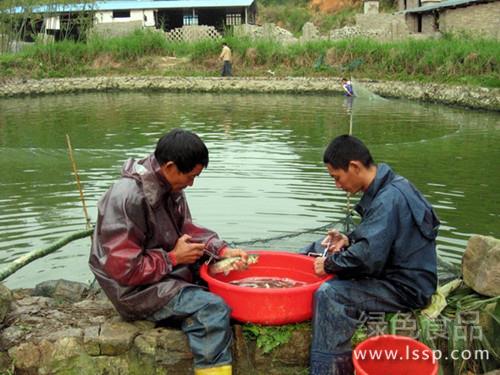
Spring Grass Carp Vaccination to Prevent and Control the Four Diseases, with a Detailed Explanation of the Immune Injection Method
Immune Injection Solves the Four Diseases of Grass Carp How to Inject Vaccines into Grass Carp in Spring
-
-
Detailed explanation of an intraperitoneal injection formula for preventing and treating diarrhea
Intraperitoneal injection formula to prevent and control diarrhea
-
For treating chicken diseases, especially duck diseases, many choose injections. What are the pros and cons?
For treating chicken diseases, especially duck diseases, many places tend to use injections. What are the pros and cons?
条件筛选