-
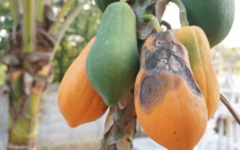
Causes and Control Methods of Anthracnose, the Main Disease of Papaya Fruit
Papaya (Carica papaya) is an attractive tree, prized for its tropical look and delicious edible fruit, a large green berry that ripens to yellow or orange. Some people call both the tree and the fruit papaya. When you see those sunken spots on papaya fruit, you
-

Prevention and Treatment Methods for Feed-Induced Diseases in Dairy Cows
In the process of dairy cow breeding, farmers mostly use various local grasses, vegetables, agricultural by-products and industrial by-products as feed. Occasionally, improper feed handling leads to dairy cow illness, reducing milk yield and quality, and even causing cow death, which affects the development of the cattle industry. The following are the
-
Methods of Artificial Induced Spawning and Key Aquaculture Techniques for Snakehead
Artificial induced spawning uses injections of human chorionic gonadotropin and the pituitary glands of carp, bighead carp and bream. In the Pearl River Delta region, pituitary glands of carp, bighead carp and bream are basically used as spawning agents. The dosage per 0.5 kg of body weight is: for female fish, 7 pituitary glands of bighead carp or bream (1 carp pituitary is equivalent to
-
Sharing Experience on Artificial Breeding in Koi Culture
1. Artificial induced spawning of koi. The time for artificial induced spawning of koi is generally chosen when the water temperature is around 25°C. The two-injection pectoral fin method can be used; effective drugs for inducing estrus include human chorionic gonadotropin, luteinizing hormone-releasing hormone analogue, and domperidone, etc. 2. Artificial insemination. In the breeding season,
-
What is a chemically-induced variegated succulent, and how can you tell it apart?
The leaves of the succulent have been bleached to a beige color, with black spots, and the most likely explanation is that you bought a chemically-induced variegated plant. Because chemically-induced variegated succulents are all artificially dyed fake variegation, using chemical agents such as peracetic acid and herbicides to corrode the surface of the succulent, affecting its chlorophyll
-
Identification of Plant Physiological Disorders: Diagnosis of Diseases Caused by Abiotic Pathogens
Identification of Plant Abiotic Pathogens and the Diseases They Cause (Physiological Disorders) ? During the process of plant growth and development, unsuitable physical factors, chemical factors, air pollution, pesticide toxicity, as well as the plant's own physiological defects or hereditary diseases in the environment, all
-
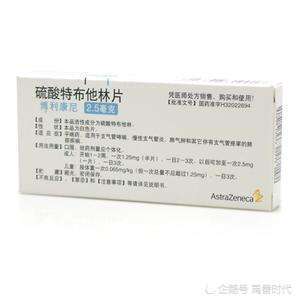
How Should People with Exercise-Induced Asthma Exercise?
Exercise-induced asthma refers to the appearance of symptoms such as coughing, shortness of breath, chest tightness and wheezing 5 to 15 minutes after strenuous exercise, with a decline in relevant lung function indices and wheezing sounds on examination; in some cases, emotional excitement, tension and restlessness, or anger can also easily trigger exercise-induced asthma.
-
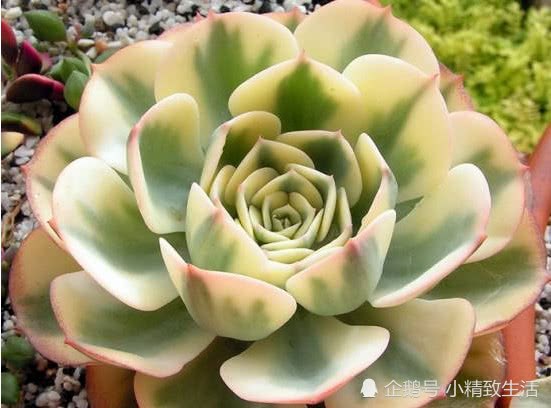
What is variegation in succulents? A detailed explanation of the difference between true variegation and chemically induced variegation
Xiao Jingzhi Life mentioned succulent "variegation" in a previous article, and then many friends sent private messages asking how to avoid buying "chemically induced variegation". So, next Xiao Jingzhi Life will discuss with everyone what succulent...
-
Succulents with chemically induced variegation are doomed to die once you bring them home, so don't take them even if they're free.
Succulents are very common now, and many flower shops carry them. To attract attention, a batch of "colorful" succulents has appeared, with several colors actually on a single leaf. You've surely seen these colorful succulents, and you may even have bought some! Whether this kind of succulent is good and how to care for it, let's hear Huahua explain it in detail~
-
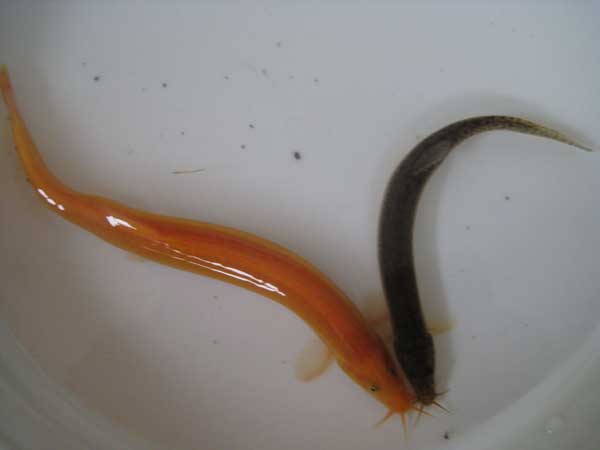
Detailed Explanation of Basic Knowledge on Loach Induced Spawning Techniques
Basic Knowledge on Loach Induced Spawning
条件筛选