-

How to Control Anthracnose in Bok Choy? Leaf White Spot Symptom Identification and Fungicide Methods
Bok choy anthracnose is most prevalent from June to September, causing white spots on leaves and brown spots on petioles. This article covers the key points of symptom identification, agricultural control, seed dressing and coating, and fungicide spray formulas for the early stage of the disease, spraying 2-3 times consecutively at 7-10 day intervals.
-
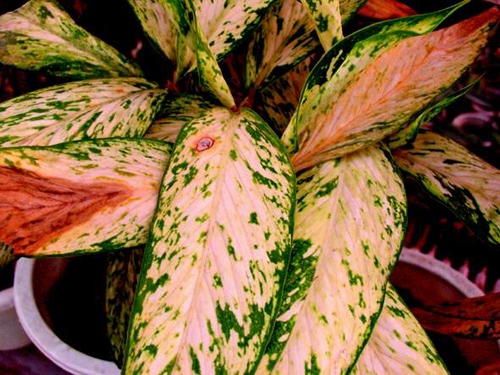
What to Do About Cold Damage in Flowers? Symptom Identification and Prevention Methods
When flowers suffer mild cold damage, herbaceous flowers show discoloration, necrosis and spots on the surface; woody flowers also show bud blight, cracked bark, gum exudation and leaf drop.
-
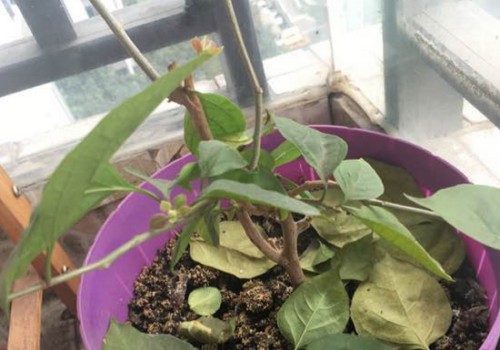
What to Do When Bougainvillea Gets Sick? Disease Identification and Control Methods
Everyone knows that people are more prone to getting sick when their living environment is poor, and flowering plants are actually the same, especially potted plants, which often have higher requirements for their growing environment. If the growing environment becomes unsuitable, such as in conditions that are warm and overly humid but at the same time poorly ventilated
-
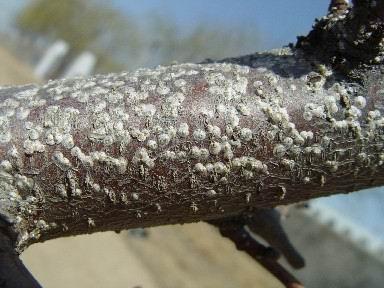
Scale insect species identification sources and whether plant scale insects parasitize and harm humans?
Scale insects are small insects and one of the pests most hated by many fruit growers and flower enthusiasts. They mainly harm fruit trees and forest trees and are one of the most common pests on ornamental flowers. Their reproductive capacity and resistance to pesticides are both very strong, making them generally difficult to control or eradicate. Where do scale insects come from?
-
Identification and Control Methods for 11 Common Pests of Flowers and Plants in Spring
Right now spring is in the air and all things are reviving, a great period for the growth of potted flowers and plants. All kinds of flowers and plants begin to sprout and resume growth, and this season is also a peak period for the growth of various pests. If prevention and control are not carried out promptly, potted flowers and bonsai, as well as foliage plants that show the most obvious symptoms, will be infected with pests and diseases
-
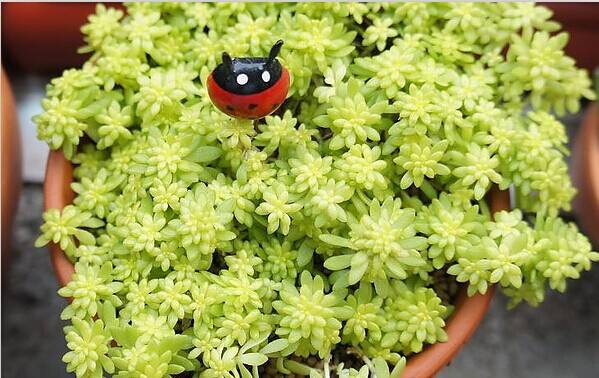
Identification and Control Methods for Major Pests and Diseases of Plum Blossom
According to preliminary statistics: plum blossom has more than 170 kinds of pests and diseases, including more than 30 kinds of diseases and more than 140 kinds of insect pests. The plum blossom, with its dignified plant form, vigorous trunk and branches, verdant leaves, lovely flowers, rich colors, and delicate fragrance, is one of the traditional famous flowers most beloved by Chinese people
-
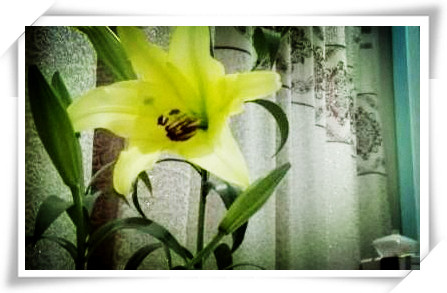
Symptom Identification and Control Methods for Lily Leaf Scorch
Lily, also known as Qiangshu, Fanjiu, Shandan, Daoxian, Chongmai, Zhongting, Moluo, Chongxiang, Zhongfenghua, Baihesuan, Dashifusuan, Suannaoshu, Yehehua and so on, is a perennial herbaceous bulbous plant of the genus Lilium in the family Liliaceae. It originated in China and is mainly distributed in temperate regions of the Northern Hemisphere, including eastern Asia, Europe and North America
-
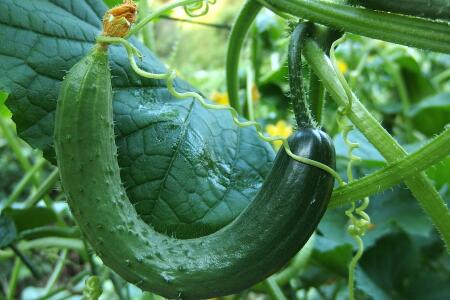
Symptom Identification and Control Methods for Aphids and Root-Knot Nematodes in Cucumbers
Cucumber is a widely grown annual climbing or trailing herbaceous plant of the Cucurbitaceae family, and during its growth it is highly prone to two pests: aphids and root-knot nematodes. Below is an introduction to the symptoms and control methods for these two pests. Symptoms and control methods for aphids. Main symptoms: aphids, also known as plant lice
-
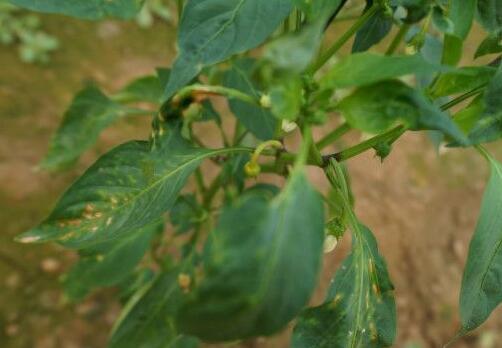
Identification of plant physiological diseases: diagnosis of diseases caused by abiotic pathogens
Identification of plant abiotic pathogens and the diseases they cause (physiological diseases)? During the process of plant growth and development, unsuitable physical factors, chemical factors, air pollution, pesticide toxicity, as well as the plant's own physiological defects or hereditary diseases in the environment can all cause plants to develop diseases caused by abiotic pathogens
-

Identification and Control Methods for Common Pests and Diseases of Serissa
(1) Damping-off: This disease is caused by infection by the fungi Pythium aphanidermatum and Pythium ultimum, and is a seedling-stage disease that seriously threatens the growth of Serissa. On affected seedlings, water-soaked lesions first appear at the base of the stem, then turn brown and become sunken and shrunken; afterward the diseased area rapidly girdles the stem, causing the seedling to collapse. Finally the diseased seedlings rot and dry up.
条件筛选