What to Do When Bougainvillea Gets Sick? Disease Identification and Control Methods
Everyone knows that people are more prone to getting sick when their living environment is poor, and flowering plants are actually the same, especially potted plants, which often have higher requirements for their growing environment. If the growing environment becomes unsuitable, such as in conditions that are warm and overly humid but at the same time poorly ventilated, the plant is relatively prone to developing pathogens and thus becoming diseased. This is also true for potted bougainvillea, because bougainvillea relatively prefers a warm, humid and well-ventilated growing environment.
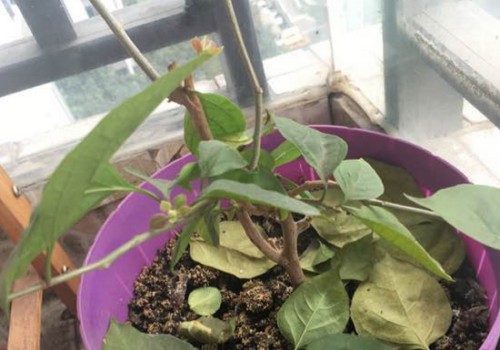
Once this comfortable growing environment is disrupted and becomes unsuitable for the plant's survival, it may instead be very suitable for the reproduction and survival of pathogens. Therefore, the plant is very easily attacked by diseases. In mild cases, it may cause various symptoms of poor growth in the plant, while in severe cases, it may cause the plant to die. So, what should be done when bougainvillea gets sick?
As for what to do when bougainvillea gets sick, the first thing we need to do is figure out what disease the plant has been infected with. Only then can we carry out targeted treatment according to the type of disease the plant has been infected with. Never blindly use chemicals for spraying, otherwise it may not only fail to achieve the purpose of treating the disease, but may also trigger other adverse symptoms, which is very unfavorable for the plant's recovery and growth.
Practice has proven that when the growing environment is disrupted, bougainvillea is relatively prone to brown spot disease and shoot blight. Therefore, we first need to determine whether symptoms have appeared on the plant's leaves or on the branch tips. Only then can we use corresponding chemicals to deal with the different symptoms. At the same time, we also need to find the cause and then adjust our care and management methods to recreate an environment suitable for the plant's growth and less likely to lead to disease infection.
I. Prevention and Control of Brown Spot Disease
If bougainvillea is attacked by brown spot disease, the leaves will show poor growth, mostly with problems appearing between the leaf veins. At first, yellow-brown or dark brown spots may appear, surrounded by yellow-green halos, and as time goes on, the spots will also become irregular in shape, and the color will gradually deepen. In the later stage of the disease, the plant will experience leaf drop, and this disease is mostly seen in spring and autumn.
In order to achieve prevention and control of brown spot disease, we first need to cut off the infected leaves and thoroughly destroy them, because this pathogen is relatively stubborn and easily spreads. Then use Tuzet or other fungicides diluted according to the correct ratio, and spray the plant to achieve the purpose of prevention and control. At the same time, it is also necessary to appropriately increase light, improve ventilation conditions, and spray the leaf surfaces with water more often to maintain moisture.
II. Prevention and Control of Shoot Blight
If bougainvillea is infected with shoot blight, the tops of the plant's branch tips will wither. We can use chemicals such as dimethoate and thiophanate-methyl to promptly kill it. For this disease, the focus should still be on prevention. In ordinary times, in addition to frequently loosening the soil and weeding, it is also necessary to promptly clean up dead branches and fallen leaves, especially diseased and damaged leaves. And keeping ventilation smooth and light sufficient is very important, as this can reduce the spread of pathogens and lower the probability of the plant being infected by disease.