-

Can Keeping Chickens, Ducks, and Geese Together with Pigs Lead to Highly Pathogenic Avian Influenza?
Poultry should not be kept together with pigs, because influenza viruses from poultry can infect pigs, and human influenza viruses can also infect pigs. Since influenza viruses have 8 different nucleic acid segments, when these two different virus particles infect a single cell together, their nucleic acid segments undergo reassortment and rearrangement to produce new types of influenza virus particles. These new influenza virus particles can often cause major epidemics in humans, resulting in great harm. In addition, chickens should not be kept together with waterfowl such as ducks and geese, because
-
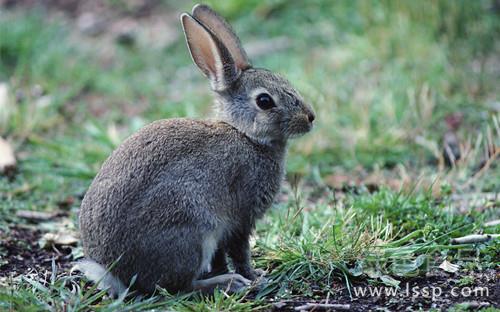
Rabbit epizootic enteritis is highly prevalent in winter; be on guard against refusal to eat, abdominal bloating, severe watery diarrhea and dehydration
Refusal to eat, abdominal bloating, severe watery diarrhea and dehydration; be on guard against rabbit epizootic enteritis in winter
-
7 Highly Effective New Fish Medications Recommended for Aquaculture Reference
Fish parasite killer. This product is an external insecticide for black carp, grass carp, bighead carp, crucian carp, and bream, capable of expelling and killing Sinergasilus, Lernaea, Trichodina, Ichthyophthirius, Gyrodactylus, sporozoans, Dactylogyrus, fish lice, glochidia, and other parasites on fish within a few hours, and can also kill aquatic centipedes, ants, and other pests. High-chlorine preparation. This product is a bactericide. It has a powerful killing effect on bacteria, fungi, pathogens, fungi, pathogens, etc., and is effective against hemorrhage disease, red skin disease, stamping disease, gill rot, black gills, enteritis, shell rot, and red
-
How to prevent and treat highly pathogenic porcine reproductive and respiratory syndrome (PRRS)? A detailed explanation of the technical key points
This disease is a severe viral disease of pigs that has emerged in recent years, an acute highly lethal epidemic disease caused by a variant strain of porcine reproductive and respiratory syndrome virus. The virus is extremely contagious. In infected pig farms, the morbidity rate of piglets can reach 100%, the mortality rate can reach more than 50%, and the abortion rate of sows can reach more than 30%. It is also characteristic that growing-finishing pigs can develop the disease and die. 1. Pathogen: The pathogen of this disease is porcine reproductive and respiratory syndrome virus, caused by Lelystad virus. 2. Epidemiology
-
Wooden Tongue Disease in Cattle Is Highly Prevalent in Autumn, Farmers Need to Pay Attention to Prevention and Treatment
Wooden tongue disease in cattle is a type of excess heat syndrome caused by accumulated heat in the heart meridian and swelling and hardening of the tongue body. The symptoms of this disease are characterized by: the tongue body is swollen and hard, shaped like a wooden stick, and cannot move freely. This disease often occurs in autumn, mostly due to the dry autumn climate combined with excessive labor, rushing about too quickly, prolonged thirst without drinking, or feeding grain in excess while the animal is hot, which causes heat pathogen to accumulate in the heart and chest and attack upward to the tongue. Treatment: First, use crushed scallion leaves to rub and massage the surface of the cow's tongue until the tongue becomes soft. Then choose one of the following methods for treatment: (1) Coptis chinensis 2
-
What herbicide is used to control rice barnyardgrass? Rongjie is a highly effective herbicide.
Rongjie is a rice field herbicide newly developed by Dow AgroSciences of the United States, with penoxsulam (25 g/L oil suspension concentrate) as its main ingredient. Years of trials and demonstrations have proven that Rongjie is particularly outstanding in controlling rice barnyardgrass, a vicious weed in paddy fields in Northeast China. In the rice fields of the Fushun area, there are two types of barnyardgrass: water barnyardgrass and rice barnyardgrass. Water barnyardgrass has no auricle or ligule, while rice barnyardgrass, though also lacking an auricle and ligule, has fine hairs on the internodes between the leaf and leaf sheath. In recent years, after conventional barnyardgrass-killing herbicides were applied in rice fields, water barnyardgrass has been effectively controlled,
-

Greenhouse Design: High Biosecurity in Greenhouses? Even More Need to Guard Against Highly Contagious Pests and Diseases
Greenhouses may appear to avoid many pests and diseases, but in reality they place even greater demands on everyday execution of environmental hygiene and safety. Only by being a bit finicky can you grow sweet, beautiful fruit. Let's take a look below. Biosecurity is not just a basic requirement for farms, poultry and livestock operations.
-
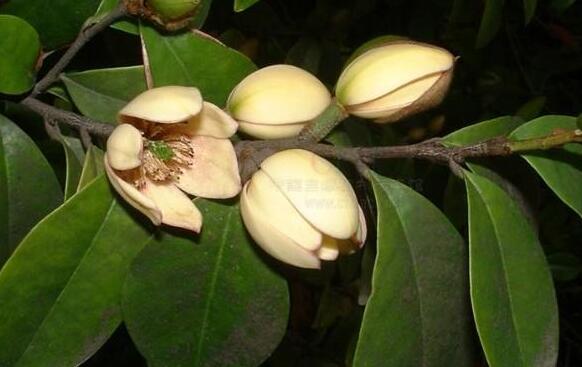
The benefits and uses of Michelia figo: highly ornamental, beautifies and nourishes the skin, prevents illness and prolongs life
When it comes to Michelia figo, many people may know it as a flower with a beautiful shape and vivid colors, widely welcomed and loved by flower enthusiasts in daily life. But besides its ornamental value, what other benefits and uses of Michelia figo do you know? For example, promoting blood circulation and soothing the tendons, beautifying and nourishing the skin, preventing illness and prolonging life. Does that sound amazing?
-

Potted oleander is highly toxic: detailed guide to growing methods and precautions
You have probably heard of oleander; it is a plant with a long flowering period and brilliant flowers, deeply loved by many flower enthusiasts. In daily life, many people grow oleander at home, but the whole oleander plant is highly toxic, so anyone growing it must be careful. So how do you grow potted oleander?
-
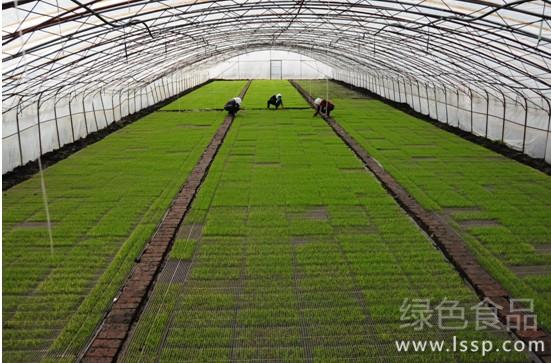
Wet Seedbed Technology for Early Rice: Easy to Operate and Highly Adaptable
Wet Seedbed Technology for Early Rice: Easy to Operate and Highly Adaptable
条件筛选