-
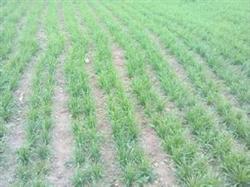
Methods and Techniques for Scientifically Applying Phosphate Fertilizer to Wheat
Wheat is a crop with a relatively high phosphorus requirement, and scientifically applying phosphate fertilizer is one of the key measures to improve phosphate fertilizer efficiency, reduce fertilization costs, and promote high-quality and high-yield wheat. 1. Apply after mixing and composting with organic fertilizer. Organic fertilizer is rich in organic matter, phosphoric acid, and various organic weak acids, which can turn insoluble phosphorus into soluble phosphorus...
-
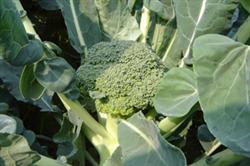
How do you judge whether phosphate fertilizer is good or bad? Here are a few practical identification methods
Topdressing with foliar fertilizer is one of the most commonly used, economical and fast-acting fertilization methods in vegetable cultivation. It involves mixing fertilizer into an aqueous solution of a certain concentration and spraying it directly onto crop leaves to make up for the insufficient nutrient supply caused by the weak nutrient uptake capacity of the roots. Extensive application has shown that topdressing with foliar fertilizer can improve vegetable yield and quality,...
-
What are the main characteristics of organophosphate insecticides?
(1) Relatively broad insecticidal spectrum. The organophosphate insecticides commonly used today can control many agricultural and forestry pests, and some can be used to control public health pests and external parasites of livestock and poultry. (2) Diversified modes of action, able to meet many different needs. Most varieties have contact and stomach poison action, and some varieties...
-
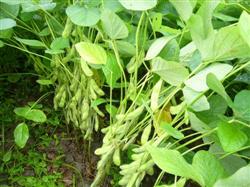
What are the precautions for applying diammonium phosphate?
Phosphorus promotes soybean root growth and is beneficial for the formation of root nodules. When the supply of phosphorus in the soil is insufficient, although soybean rhizobia can invade the roots, they do not form nodules. Molybdenum fertilizer is an essential trace element for nitrogen fixation in root nodules, and when the soil is deficient in phosphorus, applying molybdenum fertilizer alone actually reduces the number of root nodules. Phosphorus's effect on the amino... in root nodules
-
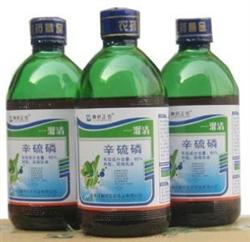
What are the characteristics of organophosphate insecticides?
Organophosphate insecticides are the most widely used and highest-volume class of insecticides in China. They come in many varieties with widely differing properties, but taken together they have the following characteristics: (1) A relatively broad insecticidal spectrum. The organophosphate insecticides commonly used today can control many agricultural and forestry pests, and some can be used to control public health pests...
-
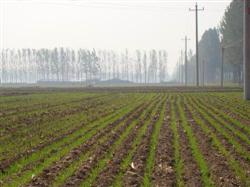
How can phosphate fertilizer efficiency in wheat fields be improved? Practical methods shared
1. Apply after mixed composting and fermentation with organic fertilizer. Organic fertilizer is rich in organic matter, phosphoric acid and a variety of organic weak acids, which can turn insoluble phosphorus into soluble phosphorus. It not only greatly improves the utilization rate of phosphate fertilizer, but also effectively overcomes the problem of phosphate fertilizer burning seedlings. 2. Apply in combination with nitrogen fertilizer, potassium fertilizer, and zinc fertilizer...
-
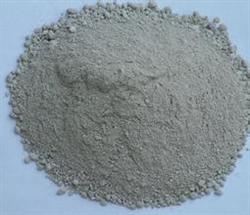
Apply phosphate fertilizer this way, and crops will resist drought and increase income
Crops absorb phosphorus fastest during the seedling stage, and the seedling stage is also the critical period for phosphorus nutrition. If phosphorus is deficient during the seedling stage, it will affect the later growth of the crop. In our province, spring temperatures are low, soil microbial activity is weak, and the release of soil available phosphorus is low. In addition, low soil temperature weakens the root system's ability to absorb nutrients, making it difficult to meet the crop's needs during the critical period of phosphorus nutrition. ...
-
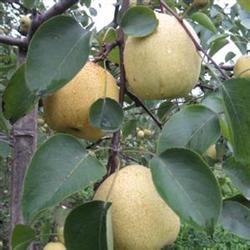
Methods and Key Technical Points for Applying Phosphate Fertilizer in Orchards
In spring and summer, the periods before and after flowering of fruit trees are stages prone to various diseases (physiological diseases and pathogen toxin diseases). At this stage, in addition to necessary chemical prevention, timely application of phosphorus and potassium fertilizers is also a good choice. However, many fruit growers tend to apply only nitrogen fertilizers (such as urea, high-nitrogen...
-
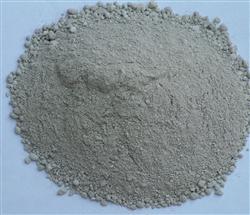
How to tell good phosphate fertilizer from bad? A few practical methods
August to October is the suitable sowing period for autumn crops in the south, such as rapeseed, broad beans, green manure, potatoes and various autumn vegetables, all of which are sown during this period. Experienced farmers know that autumn crops emphasize the application of phosphate fertilizer; this is based on the causal relationship between crops, soil and fertilizer, and is determined by phosphate fertilizer itself...
-
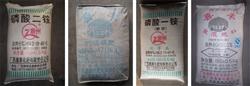
How to tell real phosphate fertilizer from fake? Here are a few practical methods
1. The role of phosphorus: the swelling element (the main nutrient for swelling of crop roots, stems, leaves and fruits), the energy of cell division. Deficiency symptoms: the most direct manifestation is uneven crop sizes in the field, especially obvious in orchards, and now most field crops also show this, with individual plants showing...
条件筛选