-

When does the high-incidence period for Phalaenopsis pests and diseases occur, and what should be noted for prevention and control?
When it comes to Phalaenopsis (moth orchid), the flowers are certainly beautiful, but if pests and diseases strike, that is really frustrating. Many people wonder why a perfectly healthy flower suddenly wilts while they are caring for it. In fact, its illnesses are not without patterns, and there are certain periods when problems are especially likely to arise. The transition between spring and autumn each year is when Phalaenopsis pests and diseases
-

What Is Scrub Typhus? Symptoms of Chigger Bites and High-Incidence Areas
Recently, hot and rainy weather has prevailed in many places, marking the peak season for scrub typhus. Chiggers, also known as scrub mites or sand mites, have been responsible for repeated cases of chigger bites leading to death in various places in recent years, with June to September being the peak period for chiggers each year. So what is scrub typhus? What happens
-
Sharing Experience on the Prevention and Treatment of Common Winter Diseases in Domestic Rabbits
Low winter temperatures are unfavorable for the reproduction of pathogenic microorganisms. Therefore, there are relatively fewer diseases. However, because heat preservation and warming measures are generally adopted in winter, people tend to focus on heat preservation and warming while easily neglecting ventilation and air exchange, which increases the content of harmful gases in the rabbit house,
-
How to effectively treat autumn gill rot disease in carp
1. Incidence and symptoms In 2005, a total of 8 cages of carp were farmed in Tumenzi Reservoir. From the introduction of fry at the end of April to mid-September, disinfectants were consistently applied externally by splashing or hanging baskets every half month, and medicated bait was fed once every 20 days. Bactericides and insecticides were used alternately
-
Winter is a high-incidence period for diseases on chicken farms — which chicken diseases are more suitable for emergency vaccination?
Entering winter, temperatures drop sharply, and diseases on chicken farms enter a high-incidence period, making vaccination of chickens especially important, particularly emergency vaccination after an outbreak in the flock. For some chronic, atypical infectious diseases, a few chickens fall ill first; if not handled properly, the disease will sweep
-
Characteristics and Control Methods of Cotton Rhizoctonia Damping-Off
Characteristics of cotton damping-off: After the cotton seedlings emerge, they are damaged; in the early stage, yellow-brown lesions appear at the base near the soil surface, and the lesions gradually expand to surround the entire base, showing obvious constriction; the diseased seedlings wilt, lodge, and die. After the cotyledons are damaged, yellow-brown irregular lesions mostly appear in the middle of the cotyledons
-
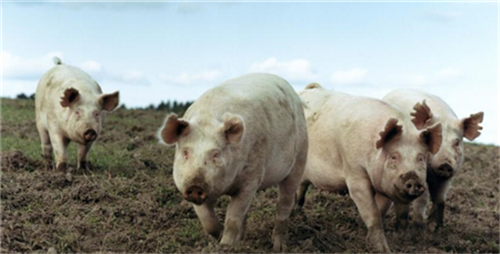
Why is the incidence of porcine respiratory disease complex so high?
Why is the incidence of porcine respiratory disease complex so high?
-
Winter is a high-incidence season for pig diarrhea, strictly guard against coronavirus disease
Strictly guard against pig diarrhea caused by coronavirus disease in winter
-
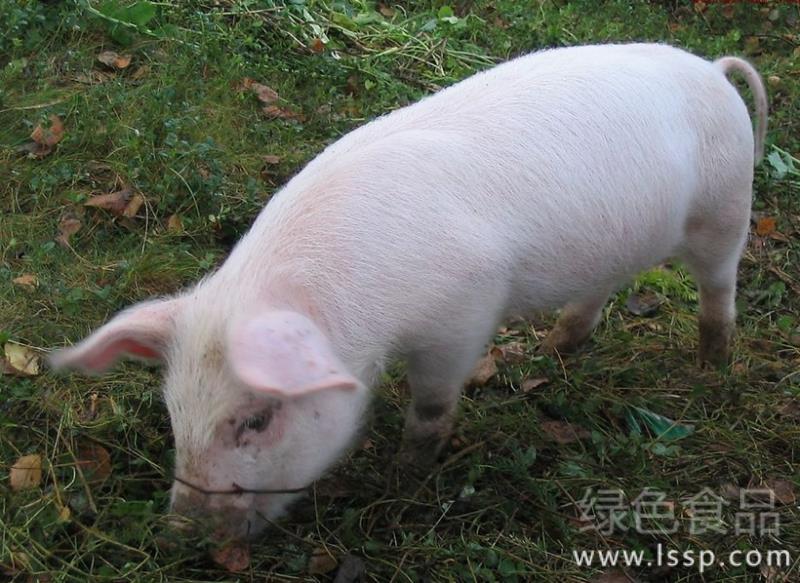
Piglet stubborn diarrhea has both high incidence and high mortality; how should it be treated?
Piglet diarrhea with high incidence and high mortality: how to treat piglet stubborn diarrhea
-
Wet urine syndrome in foxes is a disease with a relatively low incidence rate
Foxes also suffer from wet urine syndrome, but the incidence rate is usually relatively low, with the onset period mainly from July to September. The incidence rate is higher in male foxes than in female foxes, and growing foxes with fast growth rates as well as lactating female foxes are also susceptible to this disease. It is generally believed that the occurrence of this syndrome is related to oxidative deterioration of feed, excessively high fat content in feed, and deficiency of vitamin B1, E, A and choline chloride. When wet urine is found in foxes, first investigate whether there have been any problems with the feed recently. If the feed indeed has problems in quality and other aspects, immediately change or replace or adjust the feed composition, ensure freshness, and supplement vitamin B1,
条件筛选