-

How to prevent and control Aspergillus disease in reishi mushrooms? A detailed explanation of the latest methods
Aspergillus disease in reishi mushrooms is the most common disease during reishi cultivation, caused by Aspergillus fungi. Aspergillus fungi belong to the genus Aspergillus, family Moniliaceae, order Moniliales, class Hyphomycetes, subdivision Deuteromycotina. There are many species, and the most widespread damaging ones are Aspergillus flavus and Aspergillus niger. Below
-
Precautions for Mushroom Production and Methods for Preventing Aspergillus
Mushrooms are a type of natural food that is rich in color, fresh, fragrant and crisp, delicious, nutritionally balanced, and also has therapeutic value, and is deeply loved by people. However, during the mushroom cultivation process, Aspergillus contamination can occur, and after being affected, loose granular substances in different colors such as yellow and black can be seen
-
How to treat aspergillus toxin poisoning in chicks
Treatment of aspergillus toxin poisoning in chicks
-
Symptoms and control methods of cotton boll Aspergillus rot
Symptoms It occurs in all cotton regions. It mainly damages cotton bolls. Initially, water-soaked yellowish-brown spots appear at cracks, insect holes, wounds or splits on the cotton boll, followed by yellow-green or yellowish-brown powdery material that fills the boll cracks, causing the cotton boll to fail to open normally. During continuous rainy weather or high humidity, yellowish-brown or yellow-green fuzzy mold grows, namely the pathogen's conidiophores and conidia, and the cotton lint quality is contaminated to varying degrees or becomes dry-rotted and deteriorated. Pathogen Aspergillus flavus Link, called yellow aspergillus, Aspergillu
-
Symptoms and Control Methods of Aspergillus Disease in Lingzhi (Ganoderma lucidum)
Aspergillus belongs to the Deuteromycotina, Hyphomycetes, Moniliales, Moniliaceae, genus Aspergillus. There are many species of Aspergillus, and the most widespread harmful ones are Aspergillus flavus (A. flavus Link) and Aspergillus niger (A. niger Van Tieghem). 1. Morphological characteristics: The hyphae are colorless, septate and branched, shorter and thicker than those of Mucor. The conidiophores arise from specialized thick-walled swollen foot cells of the hyphae, unbranched, with the apex swelling into a vesicle. The surface of the vesicle produces radial
-
Characteristics and Treatment of Aspergillus Mycotoxin Poisoning in Chicks
Treatment of Aspergillus Mycotoxin Poisoning in Chicks
-
What are the clinical symptoms and pathological changes of aspergillus toxin poisoning in chicks
Clinical symptoms and pathological changes of aspergillus toxin poisoning in chicks
-
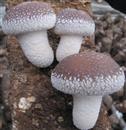
What harm does Aspergillus cause in shiitake mushroom cultivation?
What harm does Aspergillus cause to shiitake mushrooms? Please give an introduction. Aspergillus is widely distributed in soil, air, various grains and their by-products such as wheat bran, rice bran and other organic matter. The suitable temperature for Aspergillus growth is 20 to 35°C, the relative humidity is 65% to 85%, and the pH is neutral or slightly alkaline. Aspergillus is commonly found in shiitake mushroom spawn...
-
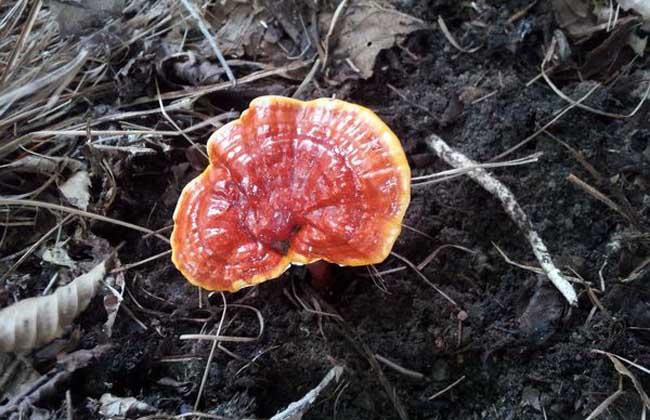
How to prevent and control Aspergillus disease in reishi mushrooms? Detailed explanation of prevention and control methods
Prevention and control methods for Aspergillus disease in reishi mushrooms
条件筛选