-

How to effectively treat autumn gill rot disease in carp
1. Incidence and symptoms In 2005, a total of 8 cages of carp were farmed in Tumenzi Reservoir. From the introduction of fry at the end of April to mid-September, disinfectants were consistently applied externally by splashing or hanging baskets every half month, and medicated bait was fed once every 20 days. Bactericides and insecticides were used alternately
-
What are the prevention and treatment methods for gill rot disease in pufferfish?
[Symptoms of gill rot disease in pufferfish] Diseased pufferfish move sluggishly, have darkened body color, have difficulty breathing, swim slowly in the upper water layer or near the pond edge, and have reduced appetite. When the gill cover is opened, increased mucus on the gill filaments is visible to the naked eye; in severe cases, the tips are decayed and defective, and some gill filaments appear grayish-white, often
-
Prevention and Treatment of Complications Such as Enteritis and Gill Rot in Grass Carp Fingerling Culture
Symptoms The diseased fish swim slowly and have reduced appetite; the scales on the fish body are basically intact; there are one or several varying furuncles on both sides of the dorsal fin, which feel relatively soft to the touch and have a swollen sensation, and when the furuncles are cut open, purulent and bloody fluid flows out; the anus is slightly red and swollen; the gill filaments are red and swollen, with
-

Causes and Treatment Methods of Koi Carp Gill Rot Disease
Symptoms of gill disease (1) Commonly known as "open skylight", the gill filaments rot and carry mud; in severe cases, the cartilage at the ends of the gill filaments is exposed, the inner epidermis of the operculum is congested, and the central epidermis is often corroded into a round transparent small hole. (2) Gill mold disease caused by fungi: the gills of diseased fish appear pale...
-
Symptoms and control methods of cotton boll Aspergillus rot
Symptoms It occurs in all cotton regions. It mainly damages cotton bolls. Initially, water-soaked yellowish-brown spots appear at cracks, insect holes, wounds or splits on the cotton boll, followed by yellow-green or yellowish-brown powdery material that fills the boll cracks, causing the cotton boll to fail to open normally. During continuous rainy weather or high humidity, yellowish-brown or yellow-green fuzzy mold grows, namely the pathogen's conidiophores and conidia, and the cotton lint quality is contaminated to varying degrees or becomes dry-rotted and deteriorated. Pathogen Aspergillus flavus Link, called yellow aspergillus, Aspergillu
-
Control Methods for Bacterial Gill Rot Disease (Flexibacteriosis) in Koi
I. Symptoms: The gills of diseased fish rot and carry some sludge. Sometimes the tissue at the tips of the gills rots, causing the gill edges to become incomplete and ragged; sometimes one or more spots on the gills rot, but not at the edges. The inner membrane skin of the operculum (gill cover) becomes congested, and sometimes breaks down and corrodes into a roughly circular transparent area, commonly known as "open skylight." Because the gill tissue is destroyed, the diseased fish has difficulty breathing and often swims near the water surface in a floating-head manner. In severely affected fish, the floating-head phenomenon persists even after changing to clean water. II. Pathogen: Cytophaga columnaris (columnar flexibacterium), synonym: Myxococcus piscicola.
-
Prevention and treatment methods for common fish diseases in spring such as bacterial gill rot and scale protrusion disease
Prevention and treatment methods for common fish diseases in spring such as gill rot and scale protrusion disease
-
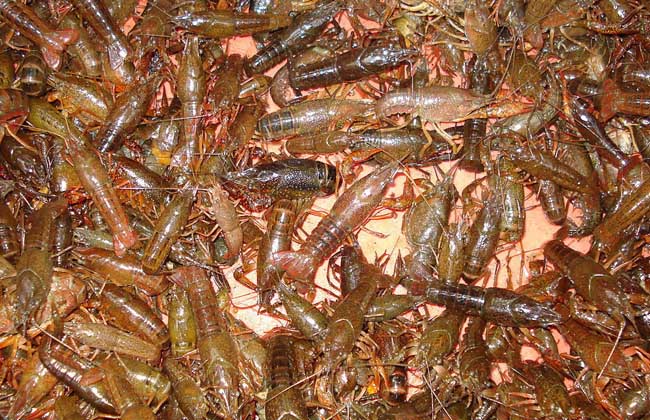
How to prevent and treat crayfish gill rot disease? Introduction to practical methods
Prevention and treatment methods for crayfish gill rot disease
条件筛选