-

How Do Ants Reproduce? A Full Breakdown of the Reproduction Process
I remember as a child, ants could be seen everywhere in the courtyard and in the fields, marching in groups in orderly lines, and some groups were so large they made your skin crawl. So how do ants reproduce? 1. How do ants reproduce? Ant reproduction consists of three processes: mating, egg-laying and nuptial flight
-
How Do Fleas Reproduce? Understanding the Full Reproduction Process in One Article
Fleas usually live on mammals and feed on the blood of their hosts. They are extremely annoying insects. So how do fleas reproduce? 1. How do fleas reproduce? 1. Adult fleas live on the host at all times. Once they find a host and feed on blood, within two days
-
How to Make a Pine Bonsai? Latest Full Process Explained
There are nearly more than eighty species of pine in the world. The tree posture is majestic and vigorous, the tree body is tall and long-lived, and it has important ornamental value. Although the vast majority are tall trees, there are also a very few that are shrub-like, such as the Japanese stone pine and the ground pine. People often make small pine
-
A Full Breakdown of the Latest Rapeseed Oil-Pressing Process
Rapeseed is also called Brassica campestris seed; it is a herbaceous cruciferous crop and one of China's main oil crops and nectar-source crops, and its seeds are one of the main raw materials for oil extraction. It is cultivated throughout China and is divided into two types, winter rapeseed and spring rapeseed. Its planting area accounts for
-
Are Seedless Watermelons Genetically Modified? A Full Breakdown of the Key Points in the Breeding Process
Watermelon is one of the fruits commonly eaten in summer, with large flesh, plenty of juice and a sweet taste, and it tastes even better after being chilled. When people buy watermelons, there is always a vendor who urges you to buy seedless watermelons, saying they taste better and that without seeds you do not have to spit them out. So
-
A detailed guide to bean sprout cultivation methods, with the full process
Summary Seed selection: choose plump, glossy, high-quality varieties. Seed soaking: soak the high-quality seeds for about 5 hours, then remove them and drain them. Sowing: choose a container measuring 40x50cm, place the seeds on the soil surface and press them in just a little, then cover them with a layer of covering material. Temperature: right after sowing, the temperature needs to be controlled at 18°C, and after the seeds sprout, the temperature needs to be controlled at 23°C. Water: water once every 5 hours. Harvesting: about 7 days after planting, they can be harvested.
-
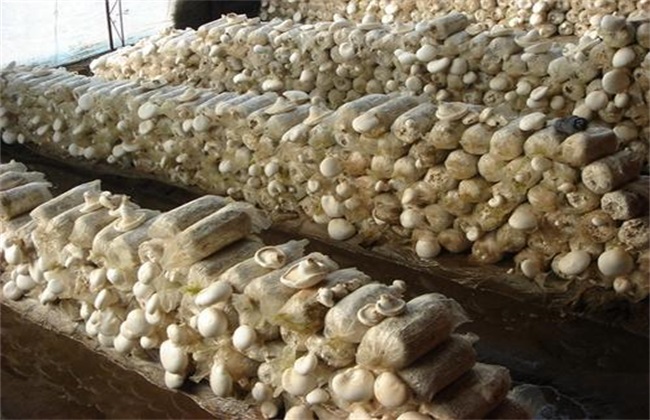
A Detailed Explanation of the Full Cultivation Process of the White Lingzhi Mushroom
Cultivation Techniques for the White Lingzhi Mushroom
-
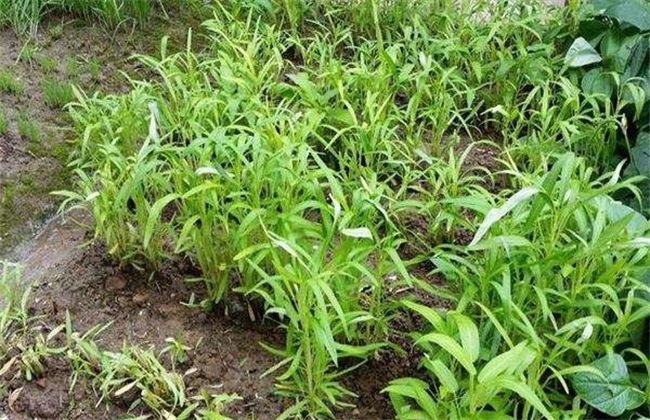
Water Spinach Cultivation Techniques Explained: The Full Process from Sowing to Harvest
Water Spinach Cultivation Techniques
-
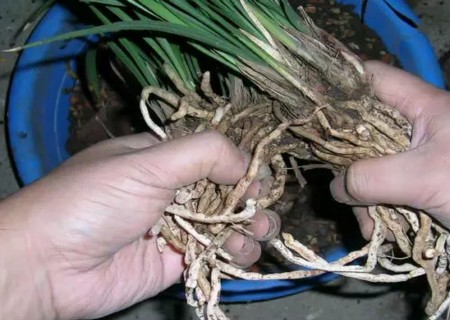
How to divide a potted Clivia (Kaffir lily) by division? A full process in pictures
At the right time, cutting the axillary buds growing at the junction between the pseudobulb and the roots of the Clivia away from the mother plant and growing them separately is called Clivia division propagation. Clivia has strong adaptability and regenerative ability; a mature potted Clivia often produces several, or even a dozen, axillary bud seedlings in a year
-
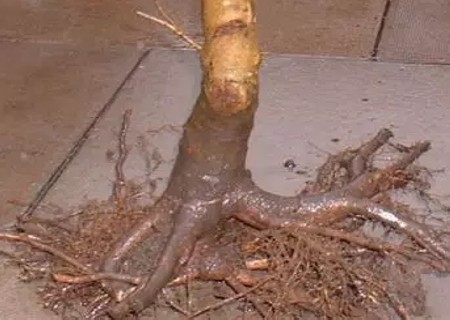
How to add roots to a maple bonsai? Full process illustrated step-by-step guide
The roots of a plant are the main source of artistic beauty in stump bonsai. One-sided roots (roots of a potted plant developing toward one side) when the plant is young will become more obvious as time goes on, and during cultivation the exposed roots will inevitably be damaged for various reasons, until the ornamental effect of the bonsai is affected
条件筛选